

Hello, everyone! Welcome to the hub for my Deep Dive project Establishing Screamo Canon: From Chaos to Catharsis! 2025 was the Year of Screamo and, while I didn’t quite get to my goal of covering Screamo from the 90s through 2015, getting through the 90s wound up being a Herculean feat in and of itself. I’m quite proud of this accomplishment! The series will continue indefinitely as I have time for it, but getting it up onto the website was very important. Please refer to the Overview post for more information about the series and the various sub-series within.
Below you can sort by subseries or via a tag cloud, weighing the most commonly-used tags such as artists, release years, record labels, locations, genres and even descriptors! Please keep an eye on this as the series continues! Alternatively, you may use the below search function to find anything you might be interested in reading about within the series. Please note that when you click one of the following links, you will have to scroll past the welcome and navigation sections to access the content.

- Emoviolence
- Dynamic
- Dissonant
- Chaotic
- Frantic
- Melodic
- 1999
- Post-Hardcore
- Raw
- 1997
- Hardcore Punk
- 1998
- Noisy
- 1996
- Emocore
- Florida
- SoCal
- Lofi
- Noise Rock
- Atmospheric
- Metalcore
- Post-Rock
- Midwest Emo
- Energetic
- Grindcore
- Canada
- Complex
- Massachusetts
- Reversal of Man
- Independent
- NorCal
- 1994
- Ebullition Records
- Orchid
- Manic
- France
- New York
- New Jersey
- Aggressive
- Gravity Records
- Sass
- Mountain Records
- Pennsylvania
- Dark
- Combatwoundedveteran
- Intense
- Witching Hour Records
- The Great American Steak Religion
- Dense
- Cold
- Metallic
- Technical
- Virginia
- Eclectic
- South Carolina
- 1993
- 1992
- Saetia
- Playful
- Three One G Records
- Frenetic
- Math Rock
- Powerviolence
- Indiana
- Driving
- You and I
- Puritan
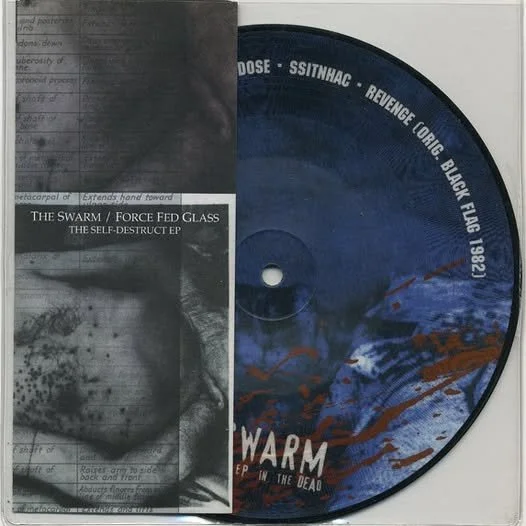
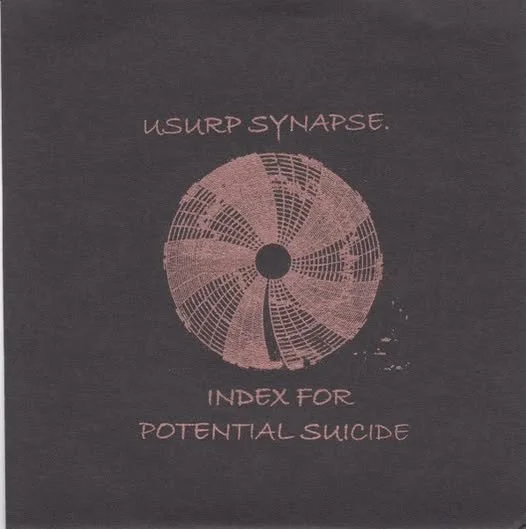
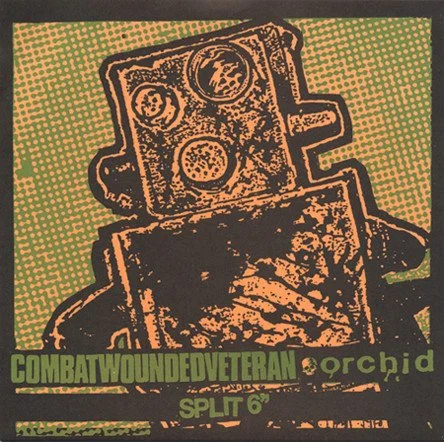
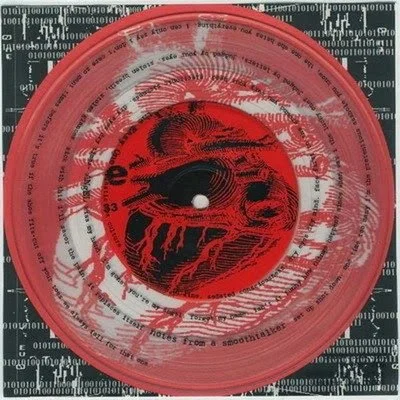
Index for Potential Suicide / Usurp Synapse | Connective Tissue 1999
Index for Potential Suicide
(Charleston, SC)
Christopher Ashley (Guitar, Vocals, Keyboards)
Shawn Williams (Bass, Vocals, Keyboard)
Robert Findlater (Drums)
Brian Cooper (Keyboards)
Usurp Synapse
(Lafayette, IN)
Antonio Leiaro (Vocals)
John Scott (Vocals)
Brandon Harris (Guitar)
Donald Kirkland (Guitar)
Tony Dryer (Bass)
Travis Chance (Drums)
Basic Info:
Release Date: 1999
Label: Witching Hour Records
Runtime: 8:46
-Index for Potential Suicide: 5:07
-Usurp Synapse: 3:39
Tracks: 6
-Index for Potential Suicide: 2
-Usurp Synapse: 4
At a Glance:
Emoviolence, Frantic, Synthy, Dynamic, Crushing
Points on the Timeline:
Both artists were relatively new to the scene, forming in 1998. Index released an EP in ‘98 while Usurp debuted their material in ‘99. Index wouldn’t last too much longer than the year 2000, while Usurp would stick around for a couple of years until 2003.
Shapes in the Sound:
These two burgeoning Emoviolence acts have pretty different styles, but they come together perfectly in this cozy little package of destruction. Index for Potential Suicide utilizes synths (some more subtle than others) to layer their music and give it a unique twist. The core of the music is somewhat dynamic, switching from deep breakdowns to manic sections of pure chaos to some weird artificial sounds that are all out of place while simultaneously feeling right at home.
Usurp Synapse’s side features four songs that hover around the 1-minute mark but are played at such blistering tempos that there are tons of musical ideas on offer, with some room for cleaner, slower sections that counterbalance the rest of the insanity.
Threads in the Tapestry:
A staggering 800-mile trek separates South Carolina from Indiana, but that didn’t stop these two small-time acts from coming together early in their careers and ripping out some banger tracks. Although Index’s efforts tend to fly under the radar, Usurp Synapse has been on an on-again, off-again path of terror for decades. However, the majority of their material can be found on various splits, the first of which was with Index for Potential Suicide.

Jeromes Dream / July - Connective Tissue 1999
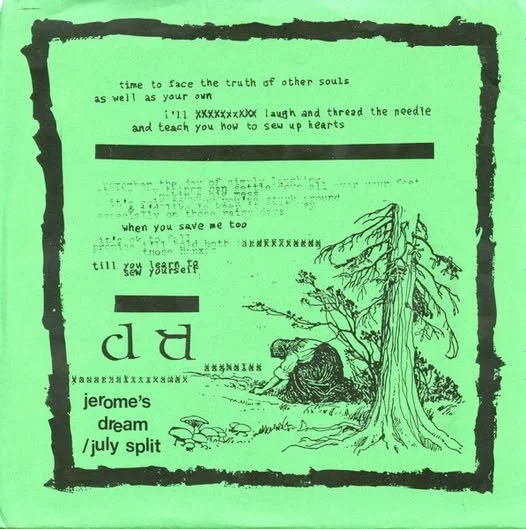
Jeromes Dream
(West Haven, CT)
Jeff Smith (Bass, Vocals)
Nick Antonopulous (Guitar)
Erik Ratensperger (Drums)
July
(Apex, NC)
Gabe Johnson
Herb Harris
Basic Info:
Release Date: 1999
Label: Witching Hour Records
Runtime: 10:13
-Jeromes Dream: 3:50
-July: 6:23
Tracks: 2
-Jeromes Dream: 1
-July: 1
At a Glance:
Emoviolence, Post-Rock, Midwest Emo, Slowcore, Atmospheric
Points on the Timeline:
Jeromes Dream had just released their first split with Amalgamation in December of 1998, so this was still one of the earliest tracks they ever released. They would stick around for a couple of years before disbanding in the early 00s, whereby they’d release their signature material. Meanwhile, July is a duo with this one song and possibly a demo somewhere in the wild. They’re quite obscure.
Shapes in the Sound:
Jeromes’ side opens with one of their typical ferocious Emoviolence intros with utter insanity on the guitar and drums. Jeff Smith’s signature destructive vocals complete the package, though there’s also a bit of a second half to this one; the back end of this track is mostly atmospheric noise with dynamic aggression. Meanwhile, July’s track is quiet, blessed with just a guitar, some keyboard and the human voice. These nearly six-and-a-half minutes of Post-Rock goodness with Emo-style vocals are beautiful, but contrast Jeromes’ side completely.
Threads in the Tapestry:
How this obscure band linked with Jeromes Dream with almost zero music to their credit and living 600 miles apart is truly a mystery, but the world of Emo should be thankful for this contribution. While obviously not Jeromes’ greatest or most memorable work, it does feature a repetitive chord progression that the end that would become a hallmark of their sound for years to come.
Saetia - Eronel | Screamo Hall of Fame Class of 1999 Nominee
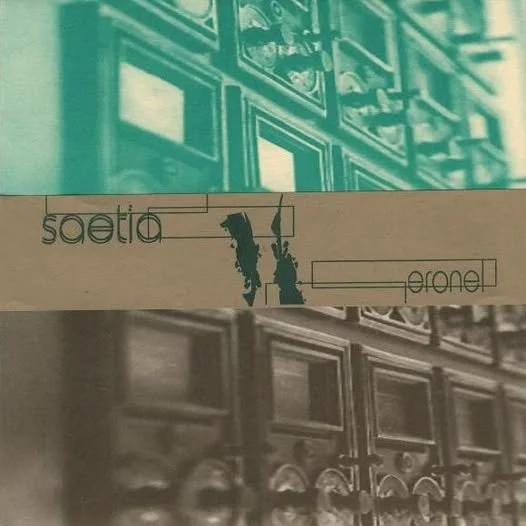
Release Information:
1999
Witching Hour Records
New York, NY (Tri-State)
Runtime: 10:56
Tracks: 3
Band Members:
Billy Werner (Vocals)
Jaime Behar (Guitar)
Colin Bartoldus (Guitar)
Steve Roche (Bass)
Greg Dundy (Drums)
At a Glance:
Screamo, Midwest Emo, Math Rock. Melodic, Complex, Dynamic
Musical Analysis:
This EP is riddled with uncommon time signatures, complex rhythms and melodies and passionate vocals, which says nothing of how maturely and expertly these elements are stitched together. Delicate guitars, subdued drums and gentle but active basslines define the more fragile and quiet moments on here, smoothly switching to distorted tones, boisterous drumming and wild bass with ease. The high-pitched shrieks from their earlier work return, but Billy Werner’s utilizes other impressive vocal techniques like shouting, crooning clean notes and spoken word, giving the music another cryptic layer.
Historical Analysis:
Low-key, this is their best recorded material. It’s a testament to the increasing technicality and artistry of their music, even if these particular songs tend to go by the wayside when discussing Saetia and their material.
Being the band’s final recorded material for over a quarter-century, it was naturally the closest resemblance to what would become of this band - Hot Cross and Off Minor. There are definite similarities between the bands’ respective 2002 debut EPs and this 1999 one.
Lyrical Analysis:
Saetia once again poetically lean into personal tragedy and existential themes on their lyrics, somehow always coming back to a seemingly universal truth that they shared with their peers: the power of language tends to fail us. In particular, Werner digs into the struggles with self-indentity under the weight of unfulfilled potential, the existential misery of living through borrowed meaning in life and feeling unworthy of love.
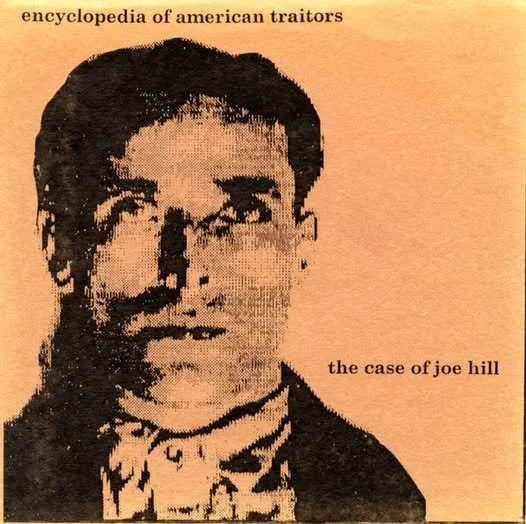
Orchid / Encyclopedia of American Traitors | Connective Tissue 1998
Orchid
(Amherst, MA)
Jayson Green (Vocals)
Will Killingsworth (Guitar)
Brad Wallace (Bass)
Jeff Salane (Drums)
Encyclopedia of American Traitors
(Millersville, PA)
Andrew Martin
Keith Miller
Ryan Suffort
Steve " Yuletide" Sakasitz
Zachary Martin
Basic Info:
Release Date: 1998
Label: Witching Hour Records
Runtime: 9:36
-Orchid: 4:37
-Encyclopedia of American Traitors: 4:59
Tracks: 5
-Orchid: 3
-Encyclopedia of American Traitors: 2
At a Glance:
Screamo, Emoviolence, Frenetic, Dark, Metallic
Points on the Timeline:
Orchid was still only a year or so into their time as a band, still finding their signature sound. This Split actually includes a song from their 1997 demo as well as two originals, showcasing a somewhat metallic-sounding Orchid with slightly less chaos. EOAT would release another split this year before coming out with a second EP in 1999 and a comp in 2002.
Shapes in the Sound:
Orchid’s signature chaotic, noisy guitarwork is present here in their early material, switching between sinister melodic lead lines and heavy chord progressions. The singer’s hoarse screams leave an unmistakable impact on the songs, though besides these two elements, this is pretty standard manic Screamo fare. EOAT’s production values are a fair bit lower than their counterparts, but the insanity is more prominent in their songs than Orchid’s side. The lead singer sounds like his head is going to explode from belching out those crazy screams. The heavy chugging makes its way to their side too, though their songs have less emphasis on short, violent bursts and are a bit more fully-formed.
Threads in the Tapestry:
EOAT would live in Screamo obscurity, propped up primarily by their split with future-legends in Orchid. However, you can feel their fingerprints across the dissonant and wily Tri-State Screamo scene. Meanwhile, Orchid was a mere year away from taking the Hardcore community by storm with their first legendary album. Although you could preview their quality in these early releases, nothing could have prepared the scene for their upcoming level of Screamo mastery.