

Hello, everyone! Welcome to the hub for my Deep Dive project Establishing Screamo Canon: From Chaos to Catharsis! 2025 was the Year of Screamo and, while I didn’t quite get to my goal of covering Screamo from the 90s through 2015, getting through the 90s wound up being a Herculean feat in and of itself. I’m quite proud of this accomplishment! The series will continue indefinitely as I have time for it, but getting it up onto the website was very important. Please refer to the Overview post for more information about the series and the various sub-series within.
Below you can sort by subseries or via a tag cloud, weighing the most commonly-used tags such as artists, release years, record labels, locations, genres and even descriptors! Please keep an eye on this as the series continues! Alternatively, you may use the below search function to find anything you might be interested in reading about within the series. Please note that when you click one of the following links, you will have to scroll past the welcome and navigation sections to access the content.

- Emoviolence
- Dynamic
- Dissonant
- Chaotic
- Frantic
- Melodic
- 1999
- Post-Hardcore
- Raw
- 1997
- Hardcore Punk
- 1998
- Noisy
- 1996
- Emocore
- Florida
- SoCal
- Lofi
- Noise Rock
- Atmospheric
- Metalcore
- Post-Rock
- Midwest Emo
- Energetic
- Grindcore
- Canada
- Complex
- Massachusetts
- Reversal of Man
- Independent
- NorCal
- 1994
- Ebullition Records
- Orchid
- Manic
- France
- New York
- New Jersey
- Aggressive
- Gravity Records
- Sass
- Mountain Records
- Pennsylvania
- Dark
- Combatwoundedveteran
- Intense
- Witching Hour Records
- The Great American Steak Religion
- Dense
- Cold
- Metallic
- Technical
- Virginia
- Eclectic
- South Carolina
- 1993
- 1992
- Saetia
- Playful
- Three One G Records
- Frenetic
- Math Rock
- Powerviolence
- Indiana
- Driving
- You and I
- Puritan
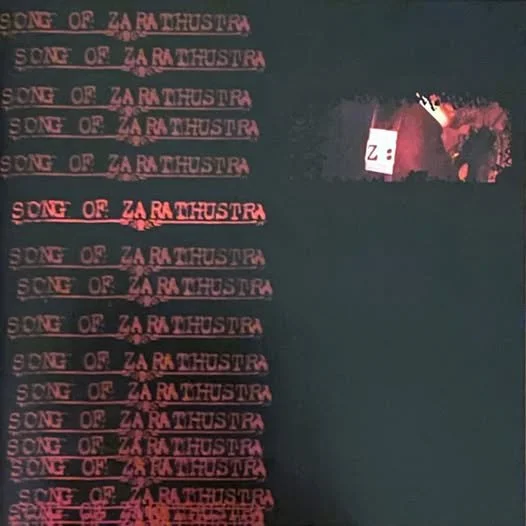
Song of Zarathustra - Discography Vol. 1 | Holy Grails 1999
The Artifact:
Release: 1999
Blood of the Young Records
Runtime: 19:26
Tracks: 10
Artifact DNA:
Screamo. Emoviolence, Post-Hardcore, Manic, Sassy, Dissonant
Artifact Archeologists:
Trevor McInnis (Vocals, Guitar)
Travis Bos (Vocals, Keyboard)
James Munsen (Vocals, Bass)
David Seaman (Drums)
Artifact Contents:
Both tracks from a split with Johnny Angel
Their track from a split with Spread the Disease
All tracks from their 1998 s/t EP
Two versions of an original track
Artifact Echoes:
Song of Zarathustra employs dissonance, syncopation, synths, noisiness, blistering tempos, and several vocalists to achieve their signature sound. Their earlier tracks are filled with personality and synthy sections, whereas their later work is a bit more straightforward but utilizes Screamo tropes very well, such as greater dynamics and more discordance.
Artifact Legacy:
Song of Zarathustra is a relatively unknown band in the grand scheme of Screamo, but this compilation excellently highlights a snapshot of Screamo from the Midwest. Sharing a scene with such bands as The Book of Dead Names and The Khayembii Communiqué, with whom they have some cross-pollination in their rosters, they showcase the power, ferocity and unique qualities of this area. Sadly, this excellent slice of American Screamo wound die out around 2003, where all three would disband.
Artifact Value:
The original vinyl run was pressed onto a picture disc (which is somewhat controversial) and was given about 3,000 copies. You can purchase it these days for under $10, same for the repress. Meanwhile, the 28 test prints seem impossible to find. Later on, this would be rereleased in CD format, making it even cheaper to own and more accessible.
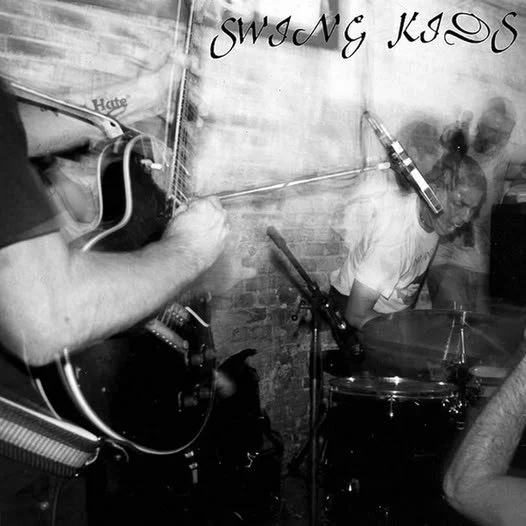
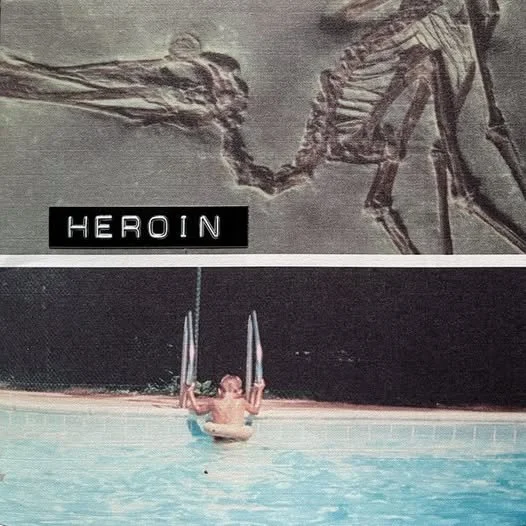
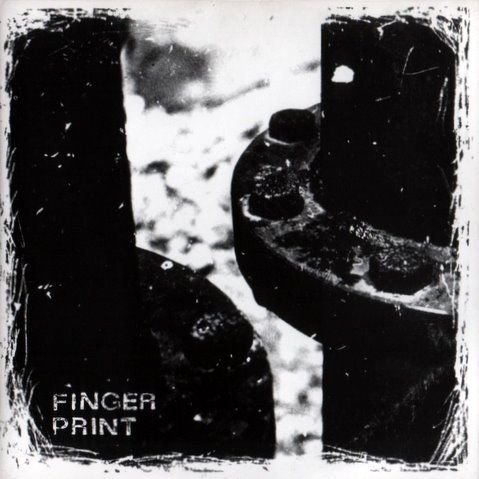
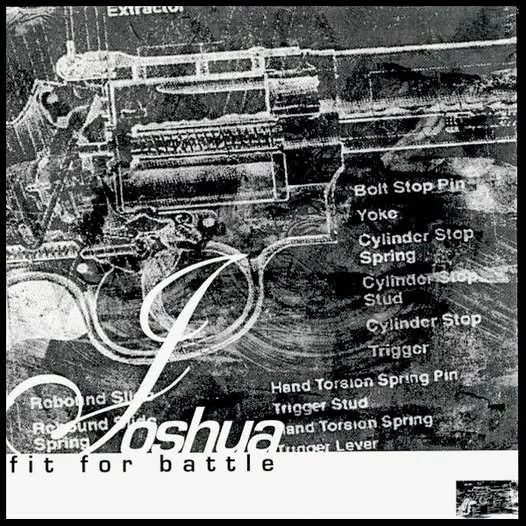
Joshua Fit for Battle / Love Lost But Not Forgotten | Connective Tissue 1999
Joshua Fit for Battle
(Newark, DE)
Joe Breitenbach (Vocals)
Larry Everett (Vocals)
Geoff Matheison (Guitar)
John Fasano (Guitar)
Dan Bogart (Bass)
Kevin Hardy (Drums)
Love Lost But Not Forgotten
(St. Louis, MO)
Mike Schmidt (Vocals)
Scott Fogelbach (Guitar, Vocals)
Jason Emerick (Guitar)
Chris Grady (Bass)
Matt Prater (Drums)
Basic Info:
Release Date: 1999
Label: Normal Records
Runtime: 10:37
-Joshua Fit for Battle: 5:03
-Love Lost but Not Forgotten: 5:34
Tracks: 4
-Joshua Fit for Battle: 2
-Love Lost but Not Forgotten: 2
At a Glance:
Screamo, Emoviolence, Driving, Dissonant, Dynamic
Points on the Timeline:
Both of these bands had only recently formed, both releasing their debut EPs and this split in 1999. Humble beginnings for two bands who would define the genre in the early 00s; Love Lost would release their unforgettable debut LP in 2000 while Joshua would have to wait until 2002 to get their moment in the sun.
Shapes in the Sound:
Uniquely, Joshua Fit for Battle has the first track on this split, followed by two back-to-back entries from Love Lost but Not Forgotten. Finally, the album ends with another Joshua Fit for Battle song. Their styles are distinct, but it’s nice to have a sort of bookend to this thing. JFFB’s side is a bit slower and warmer than LLBNF’s tracks, featuring a tad more starkness in the dynamic contrasts. Love Lost has fiery moments of Emoviolence passion that fizzle out as quickly as they come, tinged with plenty of dissonance.
Threads in the Tapestry:
This particular split was a great harbinger of what’s to come for the genre in the early 2000s. LLBNF’s two songs were demos for tracks that wound up on their seminal 2000 LP while JFFB perserved their early work in a comp later on.
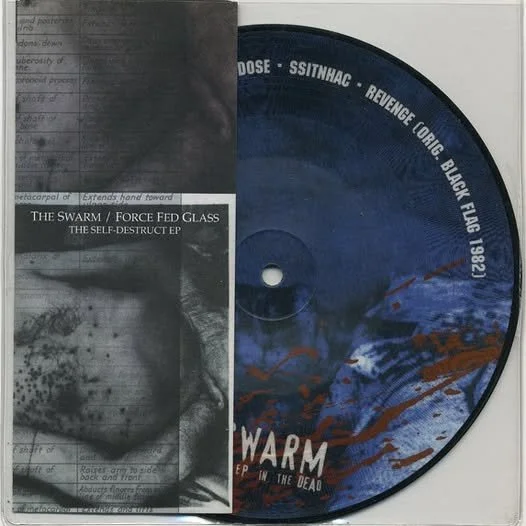
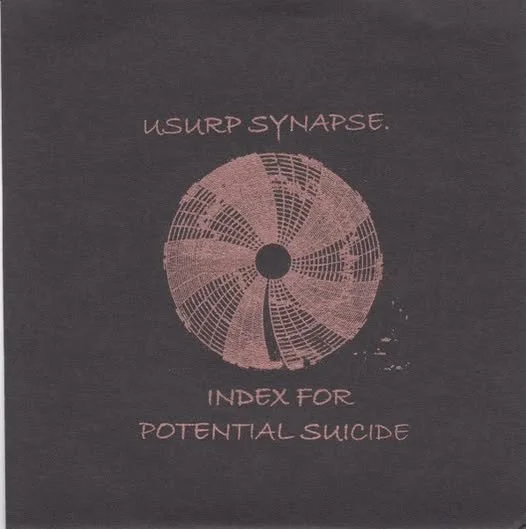
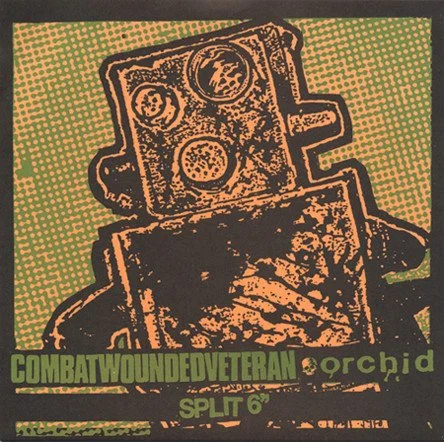
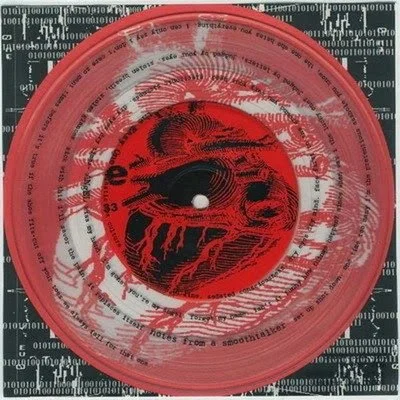
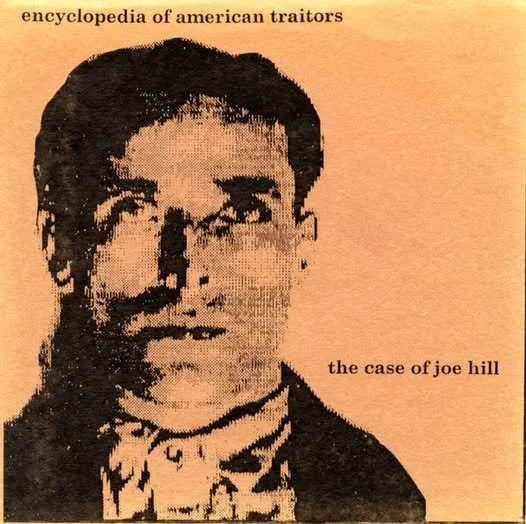
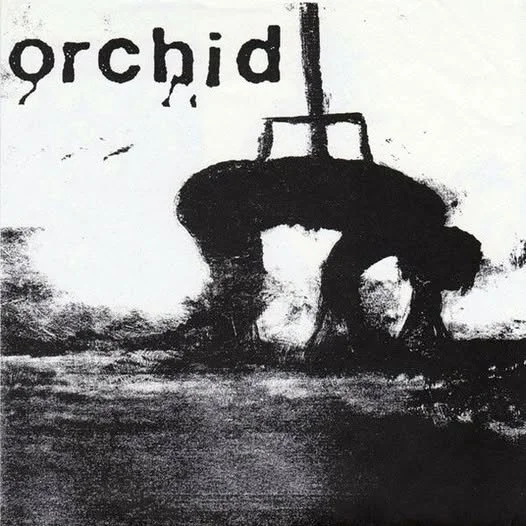

Usurp Synapse - This Endless Breath | Screamo Hall of Fame Class of 1999 Nominee
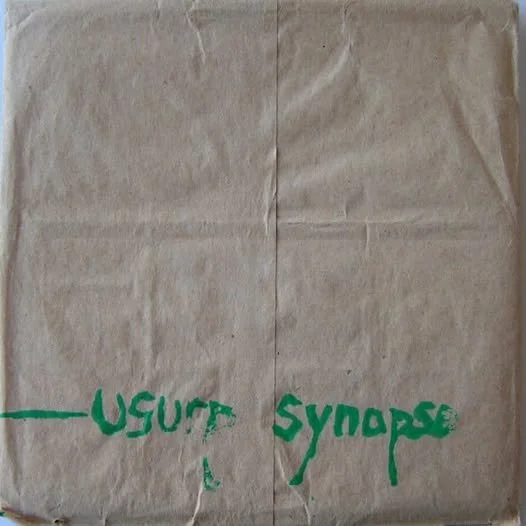
Release Information:
09/1999
Happy Couples Never Last Records
Lafayette, IN (Midwest)
Runtime: 11:41
Tracks: 8
Band Members:
John Scott (Vocals)
Don Kirkland (Guitar)
Dustin Redington
Tony Dyer (Bass)
Travis Chance (Drums)
At a Glance:
Emoviolence, Grindcore, Dussonant, Noisy, Dynamic
Musical Analysis:
This Endless Breath is one of the nastiest Emoviolence releases of the 20th century, taking cues from both the dynamism of bands like Reversal of Man and the brutality of artists like CWV, meeting somewhere in the middle compared to those bands’ 1999 efforts. Harmony is very distant from this project, rooting itself in discord and depravity. Even when the Grindy blastbeats are held at bay, the tension in their quieter sections almost matches the intensity of their explosiveness. The brutal and hoarse vocal performance seals the deal by pushing the insanity of the music into overdrive.
Historical Analysis:
This record is the very first blast of solo material for this infamous band, and it stands as some of their best. Their at-the-time unique approach to the genre fleshed out Screamo as a whole that much more. Even though the band is still kicking in one form or another, this contribution definitely flies under the radar in the grandness of Screamo Canon.
Lyrical Analysis:
Usurp Synapse uses brevity and absurdism in their lyrics to touch on some grizzly subjects, such as snapping under the weight of being “good,” the lie of nostalgia and how life is scripted. There’s a real sense of nihilism in these lyrics where the entire world sucks and/or is out to get you - can one mistake really ruin your life and legacy? Is the future really just a broken mirror? Is human affection just a performance? The band certainly seems to believe so, with their rabid emotions transferring from the lyrics sheet to the music.
Kulara - 5 Pieces Songs | Screamo HAll of Fame Class of 1999 Nominee
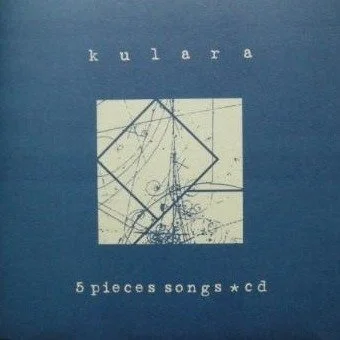
Release Information:
1999
Never Shown Face Records
Tokyo, Japan
Runtime: 24:56
Tracks: 5
Band Members:
Murase (Vocals)
Nakagawa (Guitar)
Tanaka (Guitar)
Takaya (Bass)
Kimura (Drums)
At a Glance:
Screamo, Prog, Math Rock, Post-Rock, Dissonant, Dynamic, Complex, Experimental, Noisy, Atmospheric, Dense
Musical Analysis:
The best word I can use to describe this sound is “disorienting,” as the musical complexity, masterclass dissonance and volume dynamics are all wrapped in this unique Progressive aura of experimentation. Slow, disharmonious sections composed from a tense atmosphere and a chilling melody will jarringly and frantically switch to a chaotic section of screaming and uncontrolled musical mayhem, a regular occurrence. It’s quite difficult to transcribe the sound of this beast into English, so I’m just going to recommend you listen for yourself and hear the magic unfold before your ears.
Historical Analysis:
Following Envy’s 1998 LP, Japanese Screamo began to experiment and refine itself, and no artist in the country represented that better than Kulara. After a few middling Screamo EPs, this 1999 release defined them as true innovators in Screamo with this Prog-adjacent masterpiece. The experimentation on here is unlike anything heard before OR after, evidenced by how difficult it was to conceptualize the sound in words. Although this particular release didn’t set the world on fire, it remains one of the crowning achievements of early Japanese Screamo and deserves to at least be mentioned in the same breath as other greats from the 90s.
Lyrical Analysis:
*Please note any lyrical analysis on my end may lack cultural nuance and accuracy in the translation.*
The EP takes you on a remarkable lyrical journey through anxiety and isolation, the violence of silence, losing sanity, the machinization of humanity and the illusion of autonomy. There’s a bitter sense of helplessness as language fails us and cycles of violence trap us. However, perhaps being insane in an insane society is the only true escape. Maybe, to break these miserable patterns chosen for our lives, we must shatter the patterns and destroy the self. Appropriately, this is a bit of Eastern wisdom after 25 minutes of catharsis.
Reversal of Man - This Is Medicine | Screamo Hall of Fame Class of 1999 Nominee
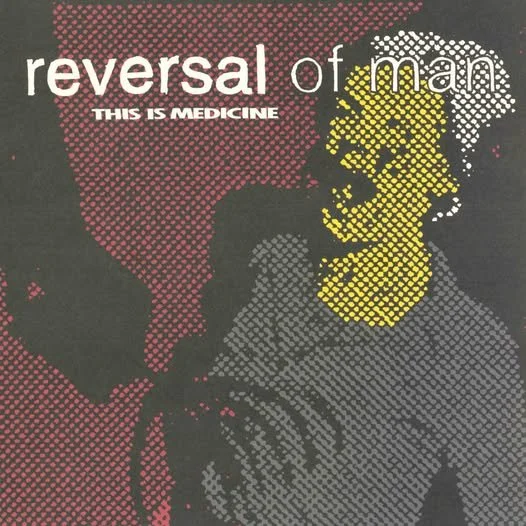
Release Information:
8/9/1999
Ebullition Records
Tampa. FL (Southeast)
Runtime: 18:41
Tracks: 16
Band Members:
Matt Coplon (Vocals)
Dan Radde (Guitar, Vocals)
Jason Crittenden (Guitar)
Jeff Howe (Bass, Vocals)
John Wiley (Drums)
At a Glance:
Emoviolence, Raw, Dark, Dissonant, Frenetic
Musical Analysis:
This record encapsulates suffering unlike anything before it, utilizing dynamic aggression, dissonant guitar and boisterous drumming. Most songs have only two gears: quieter, intense and dissonant sections that build the music up, and the most frantic and dissonant bursts of anger and chaos. Wrapping this gnarly package up are sinister screamed vocals, headed by Matt Coplon.
The entire listen breezes through in large part due to this album's impeccable sense of flow and kineticism; each track emanates with danger in equal measure to the energy put in, and, combined with the songs seamlessly bridging together, gives a small measure of accessibility to an otherwise unholy package.
Historical Analysis:
This release solidified Reversal of Man as one of the great Emoviolence artists of the 90s. Its influence on the local scene and beyond, and the extraordinarily high musical standards they set, are still revered to this day.
This EP also demonstrates a different aspect of the genre than fellow Tampanians Combatwoundedveteran, eschewing Grindcore in favor of dissonance and dynamism. While you can argue which is the better album, This Is Medicine seems to have slid more into obscurity, possibly a cult classic or hidden gem. By my own admittedly arbitrary standards, I have to leave this one out of the Hall and it makes me sad.
Lyrical Analysis:
Matt Coplon’s brevity and directness are at the core of his lyricism, aiming at political and social injustices with decided rage and worldly allusions and references. The primary antagonist of this album is the corrosive power of fascism and capitalism. We see how, in the calculus of power, human life is disposable, war is theft, justice is selective, morality justifies violence, and technology tightens like a noose around society’s neck. Personal issues like guilt over failing relationships and the grief of untimely death rear their ugly heads in this mess as well, while other systems and communities are thrown strays: the news is indoctrination, not information; the Punk scene has fallen to branding over rebellion; the absence of personal connection powers the deadly machine of consumerism. These are not the most original lyrical topics in this scene, but they’re executed succinctly and in line with the amazing instrumentals.
Reversal of Man - Revolution Summer | Screamo Hall of Fame Class of 1998 Nominee
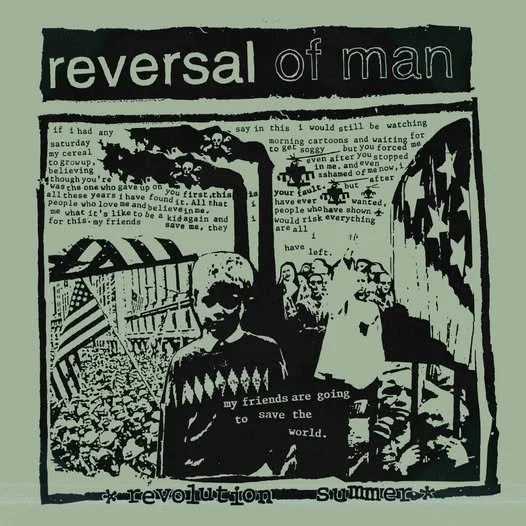
Release Information:
1998
Schematics Records
Tampa, FL (Southwest)
Runtime: 17:12
Tracks: 7
Band Members:
Matt Coplon (Vocals)
Jasen Weitekamp (Guitar)
Jason Crittenden (Guitar)
Jeff Howe (Bass, Vocals)
John Willey (Drums)
Genres, Influences and Characteristics:
Screamo, Emoviolence, Hardcore Punk, Manic, Dissonant, Noisy, Intense
Musical Analysis:
This album is a musical gut punch that rarely relents and always keeps you guessing with sudden tempo changes and dynamic volume switches. The dissonant guitar tones perfectly encapsulate the feelings of desperation and unease while the drummer hammers home the immediacy. The bass is refreshingly well-mixed and adds a powerful undercurrent to the songs. The vocals are brimming with passion and reach unhinged levels of depravity during the most chaotic and cathartic moments on this release.
Historical Analysis:
This EP represents the growth of both Reversal of Man and Emoviolence in the last few years; having solidified the lineup for this release a year prior on a split with Enemy Soil, they expanded on that sound with faster and harsher conviction. However, the dynamism found here further shaped Emoviolence away from the more chaotic and grindy stuff. However good this is, Emoviolence was on the cusp of breaking out and this EP remains a hidden gem on the shores of the Hall.
Lyrical Analysis:
*Note that because this is an old release in the grand scheme of Screamo history, I cannot locate lyrics for about half of these songs. I’ll be basing my analysis on the available lyrics*
Lyrically, this record has a simple and direct message: they love the scene, but the scene is dying. Titling the album Revolution Summer invokes the very beginning of Emo in 1985, with Punk’s ethos firmly intact. However, 13 years on from Rites of Spring, The Hated and Gray Matter, Punk has started falling into corruption and hypocrisy. Relationships are futile, nostalgia is a lie and the scene has been betrayed by those who embody the opposite of their message. The only salvation we have is to remember our humanity.
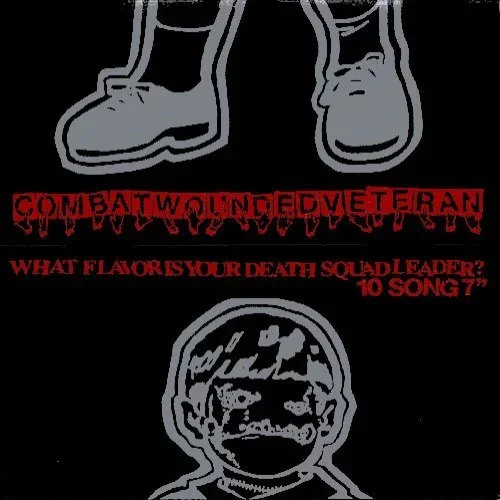
Combatwoundedveteran - What Flavor Is Your Death Squad Leader? | Screamo Hall of FAme Class of 1998 Nominee
Release Information:
1998
Schematics Records
Tampa, FL (Southeast)
Runtime: 7:13
Tracks: 10
Band Members:
Christopher Norris (Vocals)
Davy Bartlett (Guitar, Vocals)
Dan Ponch (Bass, Vocals)
Mark Muenchinger (Drums)
Genres, Influences and Characteristics:
Emoviolence, Grindcore, Frantic, Noisy, Chaotic, Dissonant
Musical Analysis:
With such a brief runtime and several tracks clocking in at under 30 seconds, the band utilizes immediacy to its fullest extent. Plentiful with noisy guitar feedback, blast beats, grotesque screaming from multiple vocalists and extremely heavy metallic guitar tones, the band throws caution to the wind and blends the quickest, most intense three seconds of explosive music with chaotic, formless sections of noise.
Historical Analysis:
With cleaner production than their 1996 EP, this ups the ante that the 11 Song 7” started, featuring some of the most brutal and punishing Emoviolence put to record yet. However, the band was still on the cusp of their biggest year by far with two excellent EPs under their belt.
Lyrical Analysis:
Once again, Combatwoundedveteran’s scathing take on Capitalism, Colonialism and overall Western culture produces genius, sardonic and quick lyrics. With topics like war as entertainment, violence as censorship and rebellion as commodification, you’d be hard-pressed to think the band ever had a positive thought. Still, the band presses on with even more daring subjects like how colonialist logic is self-destructive, how pain and suffering are used for profit, the choices we have in Captialism are illusory. These are among the most biting sociopolitical lyrics in the history of the genre to this point.
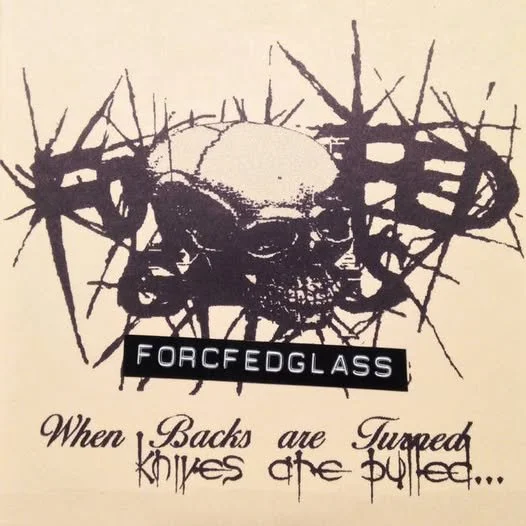
ForceFedGlass - When Backs Are Turned, Knives ARe Pulled | Screamo HAll of Fame Class of 1998 Nominee
Release Information:
1998
Pensive Recording Group
Falmouth, MA (New England)
Runtime: 18:45
Tracks: 12
Band Members:
Evan Plante (Vocals, Guitar)
Zac Davis (Bass)
Ben Koller (Drums)
Genres, Influences and Characteristics:
Emoviolence, Mathcore, Chaotic, Technical, Dissonant, Frantic
Musical Analysis:
Instrumental proficiency, musical technicality and syncopated chaos are found in the opening minutes of this destructive album. The frantic, complex sections pass by at a blistering pace, contrasting the brutal, breakdown-heavy parts with precision Powerviolence-esque bursts. The intricate guitarwork and noisy, proficient drumming are synchronized in mayhem and deliver some heavy body blows on the listener. Tying it all together is a reckless vocalist whose voice is ripped apart with each new screamed syllable.
Historical Analysis:
ForceFedGlass’ furious LP showcases the genre's increasing propensity for musical technicality and experimentation. This is not to say Screamo and Emoviolence were simple or basic by any means, but Math Rick and Mathcore influences were becoming more popular, as demonstrated by FFG.
The seminal project turned out to be a Hardcore breeding ground; bassist Zac Davis would go on to play guitar for Hassan I Sabbath while drummer Ben Koller would have a legendary career in numerous bands, most notably as the drummer for Converge.
Lyrical Analysis:
ForceFedGlass are masters of lyrical brevity, saying a lot with a few simple words. Like many in Screamo before them, the lyrics are combative and vindictive against social ills and personal issues. The band conveys a lot of negative - your body is a prison, relationships are performative, the past buries you alive and having no hope for life, only endurance. However, mixed in with the pessimism are drastic calls for action; Revolt! Embrace the power of refusal! Wake the sleeping suburbanites! We won’t mourn your mistakes.
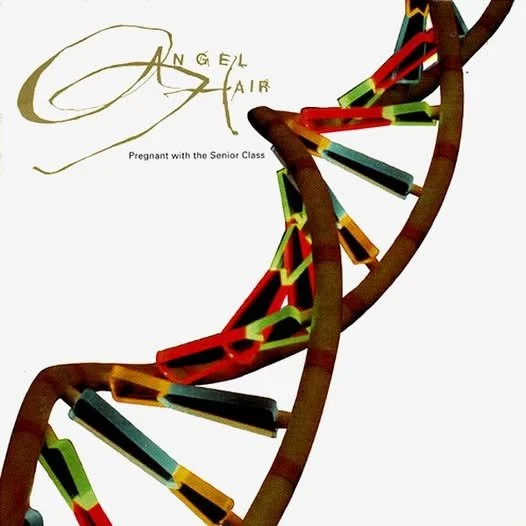
Angel Hair - Pregnant With the Senior Class | Holy Grails 1997
The Artifact:
1997
Gravity Records
Runtime: 46:36
Tracks: 18
Artifact Characteristics:
Screamo, Post-Hardcore, Noise Rock, Dissonant, Frantic, Sassy
Artifact Archeologists:
Sonny Kay (Vocals)
Joshua Hughes (Guitar)
Andy Arahood (Guitar)
Todd Corbett (Bass)
Paul Iannacito (Drums)
Artifact Contents:
Every track from Insect Mortality
Both tracks from a split with The Fisticuff Bluffs
Their track from a split with Kerosene 454
Every track from their 1994 s/t
Both tracks from a split with Begin Cancer Run
An untitled original track
Artifact Echoes:
Angel Hair’s Noise-oriented mid-90s Screamo sound is reminiscent of early greats like Heroin and Mohinder, but even darker and more vile. Sonny Kay’s signature screams are diabolical and passionate, matching the dissonant, dark guitar riffs and the uneasy feedback. In typical Gravity Records fashion, the band is experimental and shows off quite a bit of personality. They aren’t quite as “out there” as Antioch Arrow, keeping themselves grounded in a punishing mid-tempo assault that occasionally pushes into spastic territory.
Artifact Legacy:
This discography compiled their random, fragmented releases together into a neat package with quite the legacy behind it. This might just be the earliest Screamo comp to secure a band’s legacy and their influential contributions to the genre - which by 1997 was still in its formative years. Supposedly, all of the content on here was recorded in the year 1994, showcasing how eclectic the Gravity Records scene was at the time. The band would break up at the onset of 1995, so this Holy Grail serves to honor a noisy and depraved early entry into Screamo Canon. In fact, by the time this compilation was released, The VSS (the Sasscore successor to Angel Hair) had already come and gone, leaving an indelible mark on Sass as well.
Artifact Value:
This compilation was released as a CD and was never reissued. It doesn’t seem to be that rare or expensive these days so grab this up if you can!
Enemy Soil / Reversal of Man | Connective Tissue 1997
Enemy Soil
(Sterling, VA)
J.R. Hayes (Vocals)
Richard Johnson (Guitar, Vocals)
Russ Mason (Bass, Vocals)
Brian Harvey (Drums)
Reversal of Man
(Tampa, FL)
Matt Coplon (Vocals)
Jasen Weitekamp (Guitar)
Jason Crittenden (Guitar)
Jeff Howe (Bass)
John Wiley (Drums)
Basic Info:
Release Date: 1997
Label: Fist Held High Records
Runtime: 9:21
-Enemy Soil: 4:38
-Reversal of Man: 4:43
Tracks: 5
-Enemy Soil: 3
-Reversal of Man: 2
Genres, Influences and Characteristics:
Grindcore, Screamo, Emoviolence, Dissonant, Frantic
Points on the Timeline:
Prolific Grindcore stalwarts Enemy Soil were in the midst of a career-defining year in 1997. This release was one of four splits, one EP and one live EP to come out, almost doubling the previous five years of recorded material unleashed unto the world. However, they’d only be releasing music for a couple more years following this. Regardless, this was their first (and not only) sideswipe into the world of Screamo. Reversal of Man continued their relentless onslaught of releases, with this being their seventh in three years. Their very best work had yet to arrive, however.
Shapes in the Sound:
Enemy Soil's half of the split begins with a ruckus; heavy, deep guitar tones introduce us to the ways of Grindcore while the drums drift into a series of blast beats. The singer carelessly throws his screams around for maximum brutality. Seriously, these songs are sort of insane. Reversal of Man keeps things relatively even-keeled, utilizing a slower Screamo sound often to contrast the bursts of Emoviolence. RoM play with melody on here quite a bit for how aggressive and emotionally intense their songs are.
Threads in the Tapestry:
Although Grindcore wouldn't be the definitive influence on Screamo's development, the Emoviolence boom of the late 90s can undoubtedly give some credit to this subgenre for its speed, ferocity and generally chaotic aesthetic. And, much like how mixed old Hardcore show bills used to be, this split represents the unadulterated mayhem of both Grind and Emoviolence as subsects of Hardcore.
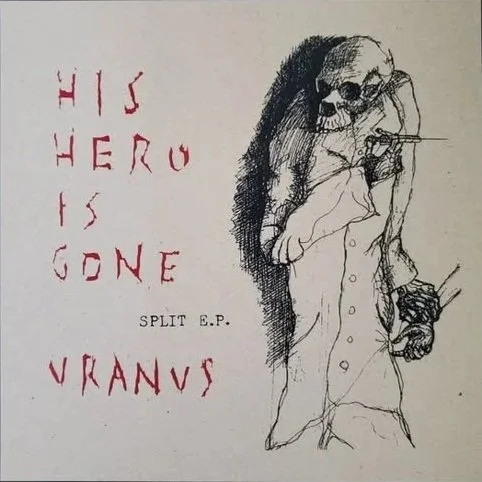
His Hero Is Gone / Uranus - Split E.P. | Connective Tissue 1997
His Hero Is Gone
(Memphis, TN)
Todd Burdette (Guitar, Vocals)
Pat Davis (Guitar)
Carl Auge (Bass, Vocals)
Paul Burdette (Drums)
Uranus
(Ottawa, Ontario, Canada)
Geoff Cousens (Vocals)
Yannick Lorraine (Guitar)
Karl (Guitar)
Matt Bruce (Drums)
Basic Info:
Release Date: 1997
Label: The Great American Steak Religion
Runtime: 23:59-His Hero Is Gone: 9:05
-Uranus: 14:54
Tracks: 11
-His Hero Is Gone: 6
-Uranus: 5
Genres, Influences and Characteristics:
Crust Punk, Screamo, Dark, Aggressive, Dissonant
Points on the Timeline:
After a couple of years as a band producing a demo and an EP, 1997 was a breakout year for Crust Punk legends His Hero Is Gone. Not only did they come out with this split, they released their two landmark LPs in the same year. This would be their hottest year as they’d be broken up before the end of the century. Their contributions on this split would be released under a solo EP called Fool’s Gold a year later. Meanwhile, Uranus was still establishing themselves by ‘97, having only released a demo and a split a few years prior. This would be their last release before their seminal Disaster by Design EP would come out in a year’s time.
Shapes in the Sound:
Although His Hero Is Gone is not a Screamo band by any means, they did release this split with Crust-influenced Screamo band Uranus. The band exemplifies the tropes of the genre to a tee with metallic, down-tuned guitar riffs, pounding D-Beat style drums and a gnarly, gutteral screaming voice. Songs rarely last over one minute and keep a high intensity throughout. Uranus takes many of Crust Punk’s elements, exhibited beautifully by their splitmates, and applies longer song forms, higher-register screaming and more melody.
Threads in the Tapestry:
Although neither side of the split would be considered the bands’ best works, it showcases what Crust Punk is all about and how naturally it can fit into the Screamo formula. These two were on the same side of the continent, but almost 2,000 miles apart. It seems like the spirit of this underappreciated Punk subgenre could not be contained by mere borders.
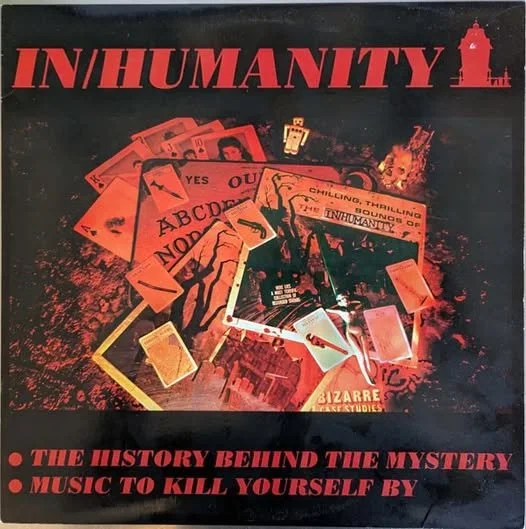
In/Humanity - The History Behind the Mystory: Music to Kill Yourself By | SCreamo Hall of Fame Class of 1997 Nominee
Release Information:
1997
Mountain Records
Columbia, SC (Southeast)
Runtime: 38:45
Tracks: 13
Band Members:
Chris Bickel (Vocals)
Paul Swanson (Guitar)
Will Zaledeski (Bass)
Ben Roth (Drums)
Genres, Influences and Characteristics:
Emoviolence, Chaotic, Atmospheric, Frantic, Abstract, Dissonant
Musical Analysis:
In/Humanity once again innovatively iterate on the Emoviolence formula, doubling down on the musical chaos, freneticism and experimentation. The album begins with longer-than-average songs for this band, some of which are over three minutes in length. They showcase the dichotomous quiet-loud dynamics In/Humanity helped establish in years prior but with a certain atmosphere and formlessness not found anywhere else in their discography. Almost half of the album is part of a 15-minute song slapped right in the middle, muddying the shapeliness of this album with the band more-or-less fooling around.
Historical Analysis
With their second and final LP, In/Humanity firmly establishes themselves as one of the most prolific early Emoviolence outfits out there. Each LP and EP shapes the blooming genre in its own way. The History Behind the Mystery approaches the genre with an experimental eye, using abstract song structures, atmosphere and even more carelessness than ever before. Although this was an important album in the formation of Emoviolence, the statement made is more relevant to In/Humanity as a band than to the genre as a whole, hence its nominee status.
Lyrical Analysis:
*Please note that due to the obscurity of some of these tracks, I wasn’t able to find lyrics for 3-4 songs. Regardless, because there’s so much other lyrical material to analyze, I’ll be focusing on those. If I can dig up more lyrics, I’ll consider giving this a quick redo.*
Reaching absurd levels of satire, crudeness and general carelessness, In/Humanity’s lyrics are nonetheless biting and aimed at society’s many, MANY problems. From questioning the glorification of authority, the blindness of justice and the performative rebellion of Punk culture to hurting the ones you love, dehumanization and the futility of artistic expression. In true late 90s Screamo fashion, In/Humanity’s lyrics express both personal anguish and dissatisfaction with the world around them.
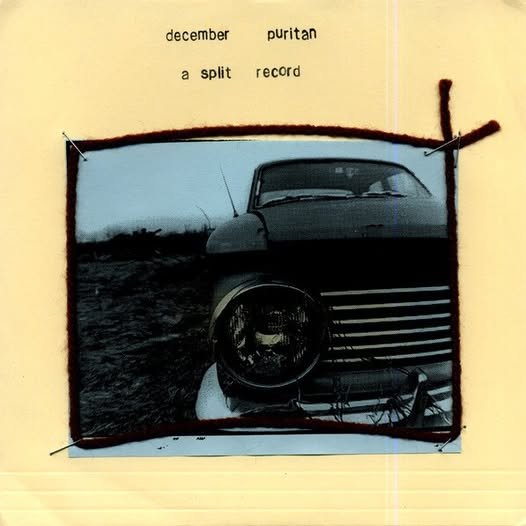
December / Puritan - A Split Record | Connective Tissue 1996
December
(Bethlehem, PA)
Jeremy (Vocals)
Seth (Guitar)
Joe (Guitar)
Dan (Bass)
Matt (Drums)
Puritan
(State College, PA)
Chad Pfeiffer
Demian Fenton
Doug Savour
Tyler Lotz
Vijay Hariharan
Basic Info:
Release Date: 1996
Label: Giving Tree Records
Runtime: 9:31
-December: 4:09
-Puritan: 5:22
Tracks: 4
-December: 2
-Puritan: 2
Genres, Influences and Characteristics:
Screamo, Emoviolence, Metalcore, Dissonant, Aggressive, Dynamic, Noisy
Points on the Timeline:
December’s only known material is on this split, two songs that add up to a little more than four minutes. Meanwhile, Puritan had a rewarding year with a demo and two splits released. However, they’d only release an EP in 1997 before calling it quits.
Shapes in the Sound:
Two similar bands whose style is a cross between the emotive dynamism of Screamo and the more extreme side of Emoviolence, combined with some truly Metalcore chugging riffs. The screams from both bands on this quick split are gnarly and high-pitched while the music is a constant tug-of-war between wailing, dissonant guitar and tense moments of quiet, just waiting for the insanity to ensue.
Threads in the Tapestry:
Emoviolence was just emerging during this year, and this split put a heaping teaspoon of Pennsylvania in the mix, with both bands only within a couple hours’ drive from each other. Although this split didn’t singlehandedly put the state on the map as a Screamo hotbed, it does showcase 10 invaluable minutes of Emoviolence history.
Reversal of Man / Holocron| Connective Tissue 1996
Reversal of Man
(Tampa, FL)
Matt Coplon (Vocals)
Jasen Weitekamp (Guitar)
Jason Crittenden (Guitar)
Jeff Howe (Bass, Vocals)
John Willey (Drums)
Holocron
(Canada)
Ryan Elinsky
Peter Shaughnessy
Ryan Woods
Tyson Howard
Basic Info:
Release Date: 1996
Label: Intention Records
Runtime: 33:28
-Reversal of Man: 19:40
-Holocron: 13:48
Tracks: 11
-Reversal of Man: 6
-Holocron: 8
Genres, Influences and Characteristics:
Screamo, Emoviolence, Hardcore Punk, Dissonant, Punishing
Points on the Timeline:
Holocron is a band whose entire output was released in 1996, the same year of this split. Reversal of Man put in tons of work over 1995 and 1996 to appear in numerous splits and release a couple of EPs. Foundational releases like this split would elevate Reversal of Man in step with Screamo and Emoviolence’s rise to underground prominence. Their most well-regarded works would be released in the near future.
Shapes in the Sound:
Contrasting this with their split with Puritan, Reversal of Man embraced a more deliberate pace and longer songs. Although their take on Emoviolence is still present on this album, RoM take great care in dynamically switching between intimidating, dissonant mid-tempo destruction and an all-out aural assault. Holocron’s half starts and the lower production values are immediately evident, but it’s not a knock against the music. Holocron’s music has more traditional Hardcore elements to it, though they are still achieving the Emoviolence aura.
Threads in the Tapestry:
Emoviolence was born in North America and this split exemplifies this. Floridian and Canadian talent come together from obscurity and at minimum 1,500 miles between them craft a gem worthy of Screamo canon. Although Holocron would remain a curiosity in the genre’s history, Reversal of Man’s epic warpath toward popularizing their brand of emotive Hardcore would continue and be quite fruitful as the genres grew.
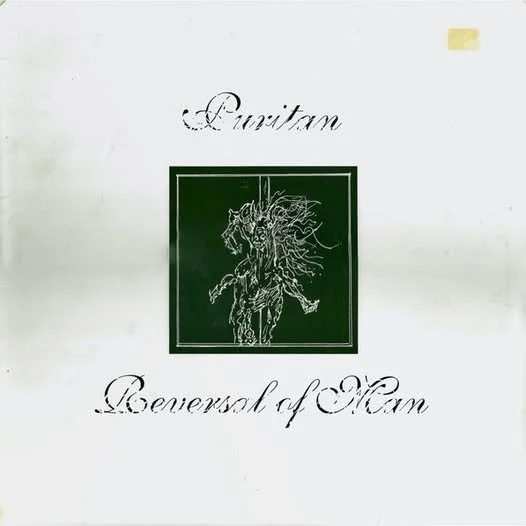
Puritan / Reversal of Man | Connective Tissue 1996
Puritan:
(State College, PA)
Chad PfeifferDemian Fenton
Doug Savour
Tyler Lotz
Vijay Hariharan
Reversal of Man:
(Tampa, FL)
Matt Coplon (Vocals)
Jasen Weitekamp (Guitar)
Jason Crittenden (Guitar)
Jeff Howe (Bass, Vocals)
John Willey (Drums)
Basic Info:
Release Date: 1996
Label: King of the Monsters Records
Runtime: 34:07
-Puritan: 19:07
-Reversal of Man: 15:00
Tracks: 11
-Puritan: 5
-Reversal of Man: 6
Genres, Influences and Characteristics:
Screamo, Emoviolence, Noise Rock, Dissonant, Chaotic
Points on the Timeline:
At the time of release, Puritan was a brand new band with perhaps only a two-song tour demo released to their name. Reversal of Man, on the other hand, had already established themselves the year before across three releases and seven songs. Both artists would release another split this very same year.
Shapes in the Sound:
This split brings two very similar, very violence-oriented bands together, showcasing emotive hardcore’s evolution into Screamo and Emoviolence. Puritan’s punishing tracks emphasize the disparity between dissonance and melody with slower, discordant madness that changes to rapid-fire Emoviolence. By comparison, Reversal of Man is a bit more straightforward in their approach, but every bit of noisiness, dissonance, emotion and dynamism is present. Interestingly, they close their half out with the opener of their s/t EP of the same year, though I’m not sure which came out first.
Threads in the Tapestry:
With Emoviolence (and Screamo as a whole) in its infancy, these two burgeoning artists reached over 1,000 miles across the Atlantic to collaborate on this harrowing full-length split. While neither these tracks nor this split in general was revolutionary in the genre, this release further cemented genre conventions like liberal use of dissonance, quiet-loud dynamics and Powerviolence-like tempo switches.
Guyver-One - Guyver-One | Screamo Hall of Fame Class of 1996 Inductee
Release Information:
1996
Inchworm Records
San Diego, CA (SoCal)
Runtime: 10:22
Tracks: 5
Band Members:
Eddie Castro (Vocals)
Kory Ross (Guitar)
Jim LaValle (Guitar)
Matty Rue Morgue (Bass)
Michael Cooper (Drums)
Genres, Influences and Characteristics:
Screamo, Emoviolence, Chaotic, Frantic, Dissonant, Playful
Musical Analysis:
Simply put, Guyver-One’s debut EP is chaotic and boisterous. They played their own brand of Emoviolence featuring loud, dissonant chord progressions, tumultuous song structures, a helter-skelter drumming performance and gnarly, scratchy screamed vocals. The San Diego natives put this in a blender, added in Grandmaster Flash samples between songs and called it a day.
Historical Analysis:
Coming from the fabled San Diego scene, this particular band is often overlooked in the crowded legacy of this scene. Regardless, Guyver-One put out one of the most demented pieces of Screamo / Emoviolence until the likes of Orchid would take the mantle. The sampled interludes are one of the only measures of reprieve on this entire record. Unfortunately, this release was destined for obscurity, even by today’s standards where Zoomers will seemingly find any and all good obscure 90s Emo.
Lyrical Analysis:
Underneath Eddie’s nearly indecipherable screaming lies inescapable existential dread. Eddie brutally conveys the futility of searching for meaning, shared suffering in silence and the cycles of misery that we as humans face. If nihilistic cynicism was a band, it’d be Guyver-One.
Combatwoundedveteran - 11 Song 7” | Screamo Hall of Fame Class of 1996 Nominee
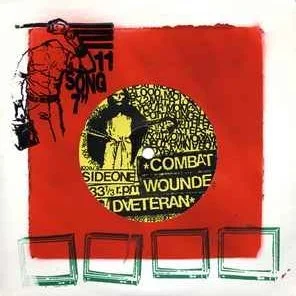
Release Information:
1996
Suppose I Break Your Neck Records
Tampa, FL
Runtime: 10:16
Tracks: 11
Band Members:
Christopher Norris (Vocals)
Davey Bartlett (Guitar, Vocals)
Dan Ponch (Bass, Vocals)
Mar Muenchinger (Drums)
Genres, Influences and Characteristics:
Emoviolence, Grindcore, Frantic, Dissonant, Chaotic
Musical Analysis:
With the average track being less than a minute, CWV attempts the most extreme version of Screamo we've heard yet. Taking the metallic nastiness of Grind and the unpredictability and dynamism of Powerviolence, CWV threads these elements together with politically charged sampled interludes and merciless guttural screeches from three different vocalists.
Historical Analysis:
This debut EP is one of the first examples of Emoviolence getting fleshed out. Although Grindcore wouldn't be the most popular mixer for this genre, its inclusion as a strong influence showcases the desire for early Emoviolence to branch away from its humble beginnings into its own plane of musical insanity.
Lyrical Analysis:
With sarcastic song titles and critical, biting lyrics, Comwbatwoundedveteran are unabashedly Hardcore in their approach to song themes. Touching on issues of consumerism, authority, conformity, toxic masculinity and toxic work culture, among others, in a straightforward and pissed-off way puts the listener right n the zeitgeist of early Screamo.
In/Humanity - The Nutty Antichrist | Screamo Hall of Fame Class of 1996 Nominee
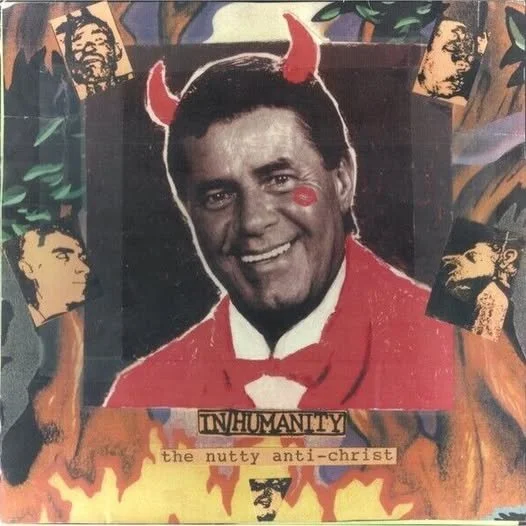
Release Information:
1996
Passive Fist Records
Columbia, SC
Runtime: 20:10
Tracks: 13
Band Members:
Chris Bickel (Vocals)
Paul Swanson (Guitar)
Will Zaledeski (Bass)
Ben Roth (Drums)
Genres, Influences and Characteristics:
Emoviolence, Powerviolence, Manic, Chaotic, Quirky, Dissonant
Musical Analysis:
Grueling distortion, breakneck tempos, angry shrieks and general musical mayhem are found all over this record. A typical song on The Nutty Antichrist is shorter than a minute, so a rapid-firing of musical ideas is often at play, particularly in the songs with blistering drums and dissonant, syncopated guitar. However, the band knows when to adjust the tempo and the intensity to fit their needs, transitioning between the two often enough to break up any monotony. Vocally, the screamer sounds as hateful as the music, though these extreme swellings of negativity are broken up by the many samples that flow between tracks and the occasional playful song here and there.
Historical Analysis:
Although the term “Emoviolence” had not yet been coined by In/Humanity, they certainly had no problem being one of the first to play it. The Nutty Antichrist is a natural evolution from their 1994 EP Gets Killed by Robots, even including the track Greener Eyes on this LP. In/Humanity doubles down on the Powerviolence influence and adds even more absurdity. The (spoiler!) political lyrics, frantic, short and dynamic songs, and overwhelming dissonance give this release an intimidating aura that many Screamo and Emoviolence bands of the future would strive toward. Despite being so early to the Emoviolence game, they had several contemporaries pushing similar boundaries simultaneously.
Lyrical Analysis:
The simple, direct, confrontational and sarcastic lyrics by Chris Bickel define this LP. Although he uses irony and inappropriate metaphors to make a lot of his points, make no mistake - the band is firmly anti-capitalist, anti-Confederate Flag, anti-right wing. These are the ethos of Hardcore that In/Humanity carries forward with fleeting moments of self-reflection - often self-derogatory. Nonetheless, there’s very little ambiguity in the lyricism - even with all of the sarcasm; strong themes about the ills of mental institutions, the bait-and-switch nature of religion and the horrors of upcoming nuclear war are all easily sussed out.
Sleeping Body - Awaken | The Shape of Screamo to Come
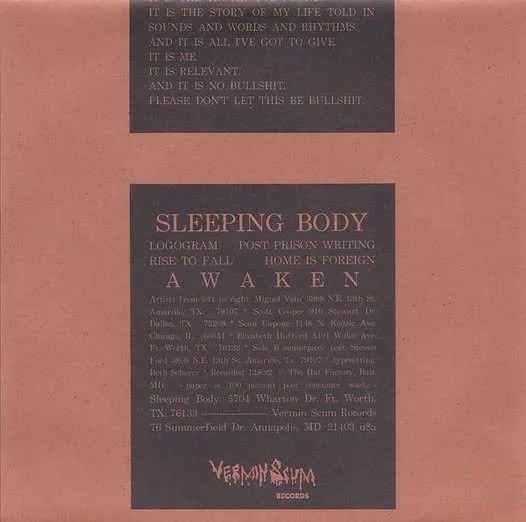
Release Information:
1992
Vermin Scum Records
Fort Worth, TX
Runtime: 11:33
Tracks: 4
Band Members:
Chad Percy (Vocals)
Carl Hollowell (Drums, Vocals)
Justin Wood (Guitar, Vocals)
Jeff Leeper (Guitar)
Jeff Hunt (Bass)
Genres, Influences and Characteristics:
Proto-Screamo, Noise Rock, Emocore, Lofi, Dissonant, Ominous
Musical Analysis:
The band’s name is exemplified in a quiet bass-led intro and the album’s title is embodied by the abrasive and gritty music that pops up after about 15 seconds. The noise rock influence, coupled with low-level production, gives the instruments, particularly the interplay between the guitars and drums, a clamorous quality that only experienced ears can fully suss out. What can be heard resembles a further melding of the dynamic interplay of Emocore with the heaviness of Hardcore music. In fact, even the screamed vocals are at a higher register than your typical Hardcore of this time, indicative of the future vocal stylings of this genre.
Historical Analysis:
Sleeping Body was among the first bands outside of the coasts to take influence from the emerging Post-Hardcore scenes on the East Coast and early Gravity Records bands like Heroin. To exist in Texas as a Leftist in the Hardcore scene is to exist in protest, and Sleeping Body’s brief but prolific career included playing a protest show across the street from the RNC. Though their existence didn’t singlehandedly change the trajectory of Screamo, nor did it transform the once-bustling Hardcore scene into a Screamo stronghold, this seminal early release has been a cathartic record for underground fans for decades now. In more recent times, younger Millennials and Gen Zers have unearthed some incredible obscure Emo, including this record.
Lyrical Analysis:
*Note that because this is an old, DIY and relatively minor release in the grand scheme of Emo and Hardcore history, I can’t actually locate any lyrics for the songs proper. As such, my lyrical analysis will be me pontificating on the band’s philosphy. If lyrics can be dug out, I will reevaluate the lyrical analysis*
Sleeping Body believes this world is a body and that we are all vital components to keep that body going. However, this body is “asleep” due to man-made horrors like war, pollution and discrimination. With their debut EP, the band is telling that Sleeping Body to Awaken, staying woke about 25 years earlier than all of us. The only way to accomplish this is cooperation, working together as a human species to better life for us all.
Iconoclast - Iconoclast | The Shape of Screamo to Come
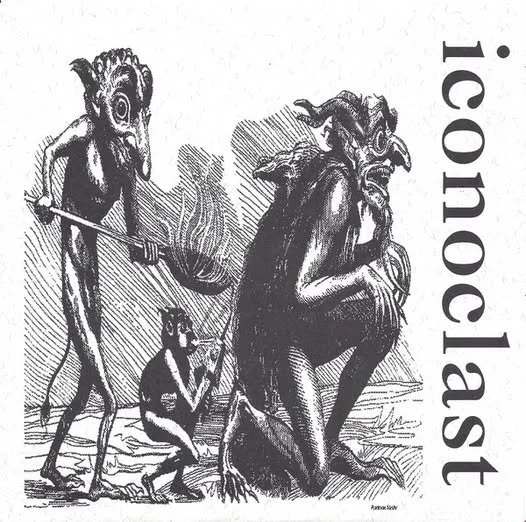
Release Information:
1992
Ebullition Records
Freehold, NJ
Runtime: 9:10
Tracks: 4
Band Members:
Dan Roberts
Ian Williams
Kevin Kajetzke
Pat Kelsey
Kevin Sabarese
Genres, Influences and Characteristics:
Metalcore, Hardcore Punk, Proto-Screamo, Emocore, Dissonant, Raw
Musical Analysis:
On their debut release, Iconoclast pushed their brand of metallic octave chords, Hardcore progressions and gnarly screamed vocals forward with multiple intensity levels. This, in essence, gives off major Screamo vibes, particularly when transitioning between quick-tempo Hardcore to slower disharmonic Proto-Screamo. The drums are active and jangly, not content to play sterile beats at ridiculous tempos. Although by today’s standards, the guitar playing isn’t anything special, the layered guitarwork in the quieter sections contrasts nicely with the chugging chords.
Historical Analysis:
Building off of bands like Merel who haphazardly fused Hardcore with Emocore, Iconoclast’s debut is a more seamless blend of melody and aggression, with a couple of chugs thrown in for good effect. Iconoclast rides the line between NY and DC hardcore well, blending them into one of Screamo's near predecessors. Although other parts of the country like SD get credit for launching Screamo, NJ proves to be an invaluable scene in the early formation of genre tropes that would become standard just years later.
Lyrical Analysis:
*Note that because this is an old, DIY and relatively minor release in the grand scheme of Emo and Punk history, I can't locate lyrics for one song. As such, my lyrical analysis will focus on the first three tracks. If more lyrics can be dug out, I will reevaluate the lyrical analysis*
Typical for Hardcore Punk, social ills are the primary focus of this band's philosophies; the strained screams convey anger and disappointment at the hollow rebellion and hypocritical attitudes of his fellow “revolutionaries” and claims the only way to end our sickness as a society is to take ourselves out. However, there are also instances of introspection, a key development from Hardcore's movement toward Screamo.