

Hello, everyone! Welcome to the hub for my Deep Dive project Establishing Screamo Canon: From Chaos to Catharsis! 2025 was the Year of Screamo and, while I didn’t quite get to my goal of covering Screamo from the 90s through 2015, getting through the 90s wound up being a Herculean feat in and of itself. I’m quite proud of this accomplishment! The series will continue indefinitely as I have time for it, but getting it up onto the website was very important. Please refer to the Overview post for more information about the series and the various sub-series within.
Below you can sort by subseries or via a tag cloud, weighing the most commonly-used tags such as artists, release years, record labels, locations, genres and even descriptors! Please keep an eye on this as the series continues! Alternatively, you may use the below search function to find anything you might be interested in reading about within the series. Please note that when you click one of the following links, you will have to scroll past the welcome and navigation sections to access the content.

- Emoviolence
- Dynamic
- Dissonant
- Chaotic
- Frantic
- Melodic
- 1999
- Post-Hardcore
- Raw
- 1997
- Hardcore Punk
- 1998
- Noisy
- 1996
- Emocore
- Florida
- SoCal
- Lofi
- Noise Rock
- Atmospheric
- Metalcore
- Post-Rock
- Midwest Emo
- Energetic
- Grindcore
- Canada
- Complex
- Massachusetts
- Reversal of Man
- Independent
- NorCal
- 1994
- Ebullition Records
- Orchid
- Manic
- France
- New York
- New Jersey
- Aggressive
- Gravity Records
- Sass
- Mountain Records
- Pennsylvania
- Dark
- Combatwoundedveteran
- Intense
- Witching Hour Records
- The Great American Steak Religion
- Dense
- Cold
- Metallic
- Technical
- Virginia
- Eclectic
- South Carolina
- 1993
- 1992
- Saetia
- Playful
- Three One G Records
- Frenetic
- Math Rock
- Powerviolence
- Indiana
- Driving
- You and I
- Puritan
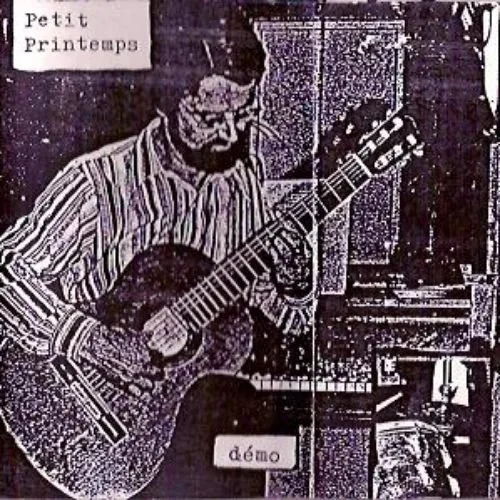
Petit Printemps - Démo | Screamo Hall of Fame Class of 1997 Nominee
Release Information:
1997
Moe’s Records
Poitiers, Nouvelle-Aquitaine, France
Runtime: 20:21
Tracks: 7
Band Members:
Vincent Coste (Vocals)
Mikaël Thévenot (Guitar)
Greg Pyvka (Bass)
Baptiste Brousseau (Drums)
Genres, Influences and Characteristics:
Screamo, Lofi, Raw, Melodic, Dark, Cold
Musical Analysis:
Ordinarily, when I describe early Screamo as Lofi, I mean Screamo recorded and produced at basement or completely DIY level, but otherwise sounds like your typical Screamo fare. This is usually out of necessity to reduce costs, and it might be in this case as well, but bands didn't actually utilize these limitations as conscious songwriting tools until Petit Printemps. The band uses lots of twinkles, subdued drumming and spoken word to establish a soft baseline from which to dial up the intensity. Because of this, these dynamics are highlighted by the hazy production rather than snuffed out.
Historical Analysis:
Although this record wouldn't go on to define Lofi Screamo or directly influence that scene, but it is very impressive to have executed the idea more than two decades before it would become a common practice. Breaking this demo down reveals how connected they were to the French Screamo sound of this time - raw, melodic and dynamic. However, in the tapestry of Screamo Canon, this is more of a rarity than a true legend.
Lyrical Analysis:
*Note that because this is an old, DIY and relatively minor release in the grand scheme of Emo and Screamo history, I cannot locate lyrics for any of these songs. If more lyrics can be dug out, I will reevaluate the lyrical analysis. Please note any lyrical analysis on my end will lack cultural nuance and accuracy in the translation.*
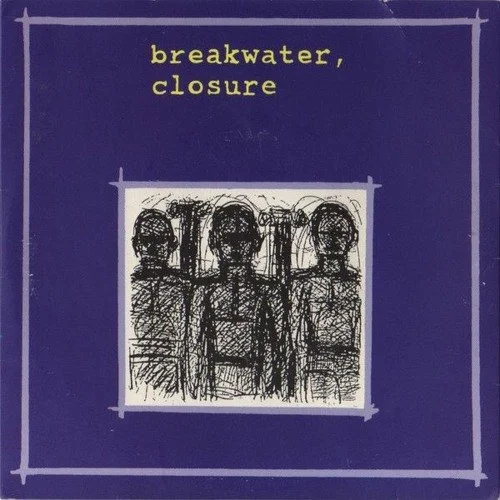
Breakwater / Closure | Connective Tissue 1996
Breakwater
(Victoria, BC, Canada)
Jode Shortreed
Steve Simard
Carey Mercer
Closure
(New York)
Trevor Perry (Vocals)
Adam Gutwein (Guitar)
Mike Treff (Guitar)
Mark Spelbur (Bass)
Dave Spelbur (Drums)
Basic Info:
Release Date: 1996
Label: Mountain Records
Runtime: 9:31
-Breakwater: 7:12
-Closure: 6:44
Tracks: 3
-Breakwater: 1
-Closure: 2
Genres, Influences and Characteristics:
Screamo, Emo, Post-Rock, Melodic, Raw, Dynamic, Lofi
Points on the Timeline:
Almost all of Breakwater’s other material was released in 1995, a demo and a single that contains two songs from the demo. Barring the song Twelve that appears on a comp, this is their only other recorded track. Closure had just formed before this EP dropped and would only last one more year with a full-length album.
Shapes in the Sound:
Melodic, long-form, Post-Rock-driven Screamo with tons of dynamic intensity is found on both sides of this excellent split. Breakwater’s passionate track is a heartbreaking journey of soft vocals and cathartic screams, melodic lead lines and heavy, dissonant chord progressions and devastating crescendos. Closure is a bit more straightforward in their songwriting but features incredibly driving rhythms, heavier production and more bounciness. Though quite contrasted, these two bands complement each other. MAGIC TURTLE!
Threads in the Tapestry:
I initially assumed Victoria was on the East Coast of Canada, which would make sense considering the ties to New York. However, I learned that these two bands were at least 2,500 miles apart, so we’re spanning quite a bit of continent here. Breakwater contributed a track to the same Mountain Records comp as Closure, which is how I imagine they became connected. This split represents cross-country scene building and demonstrates Screamo’s other tendency towards melody and dynamism, compared with some of the heavier bands during this time pushing Emoviolence and other more extreme forms of Screamo.
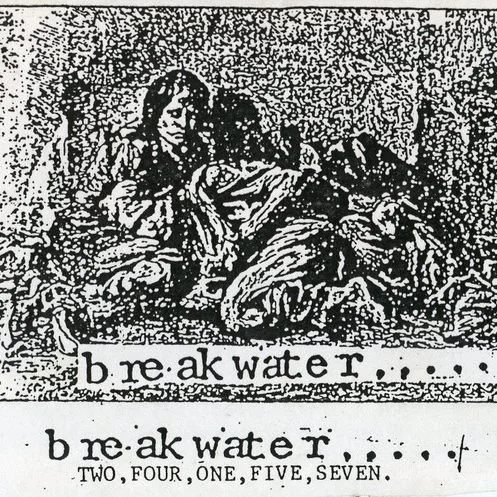
Breakwater - Demo | The Shape of Screamo to Come
Release Information:
1995
Independent
Victoria, BC, Canada
Runtime: 25:12
Tracks: 5
Band Members:
Jode Shortreed
Steve Simard
Dave Truscott
Dave Wenger
Genres, Influences and Characteristics:
Screamo, Post-Hardcore, Post-Rock, Midwest Emo, Lofi, Dynamic, Atmospheric, Cold
Musical Analysis:
Despite its less-than-ideal recording conditions, Breakwater’s Demo showcases a potent Punk cocktail of Screamo, Post-Hardcore, Post-Rock and Midwest Emo, many of these genres in their infancy. Extended instrumental passages of twinkly arpeggios comprise the bulk of the softer, quieter sections, acting as a depressive glue for the fiercer, louder moments. The interplay between these intensities is as suffocating and disorienting as it is beautiful, and with each song averaging just over five minutes, there’s lots of room for each track to breathe and reach its destination naturally.
Historical Analysis:
Straddling the line between burgeoning genres like Screamo and Midwest Emo, their eclectic mix is fairly common now, but in 1995, this was revolutionary. If anything, this release showcases the shared history of all Emo subgenres and their connection to Post-Hardcore and Hardcore Punk. In that sense, this obscure Canadian collection of songs is a revolutionary album, despite being lesser-known than their Five / Seven single (which are both on this demo). Introducing lengthy Post-Rock elements was also quite novel, though it would become genre-defining in just a few short years.
Lyrical Analysis:
Breakwater's straightforward and frank lyrics may not seem all that special at first glance, but spouting such introspective rhetoric wasn't hugely common, at least without some social or political underpinnings. That isn’t to say the songs are apolitical, rather they focus on the personal side of generational hardships, helplessness, corrosive love and even the sting of truth. Their directness and sincerity make the lyrics digestible for almost anyone who listens.
Malva - Malva | The Shape of Screamo to Come

Release Information:
1994
Independent
Leverkusen, Nordrhein-Westfalen, Germany
Runtime: 13:30
Tracks: 5
Band Members:
Martino Palazzo (vocals)
Christian Schneider (guitar)
Florian Reiss (guitar)
Alexander Jahn (bass)
Alexander Bokelmann (drums)
Genres, Influences and Characteristics:
Screamo, Emocore, Passionate, Raw, Melodic, Lofi
Musical Analysis:
The first thing you'll likely notice is the melody and quiet intensity of the band; the second thing is invariably the passionate and coarse vocal delivery from Martino, who at times is on the verge of emotional collapse while putting the maximum strain his vocal cords will allow. Other times, the vocal performance is clean and resigned, as if completely defeated. The muddy production values actually work in favor of the arrangements, allowing the treble to be prominent and emphasize the high end that the band is comfortable playing in.
Historical Analysis:
Outside of a burgeoning French Screamo scene, Germany was the next beneficiary of this movement and one of the earliest examples of Screamo from the region is Malva’s self-titled demo. Eschewing the Hardcore Punk influence of older Screamo, such as Ivich, I wouldn’t describe the sound as “lighter,” but rather its focus is different. Malva utilizes disharmony, distorted melodic lead lines and a higher-register screaming style compared to traditional Hardcore, but it’s as impactful. In particular, the vocal performance is among the most raw in the genre’s infancy.
Lyrical Analysis:
*Note that because this is an old, DIY and relatively minor release in the grand scheme of Emo and Punk history, I cannot locate lyrics for any of these songs. If more lyrics can be dug out, I will reevaluate the lyrical analysis.*
Reach Out - Reach Out | The Shape of Screamo to Come
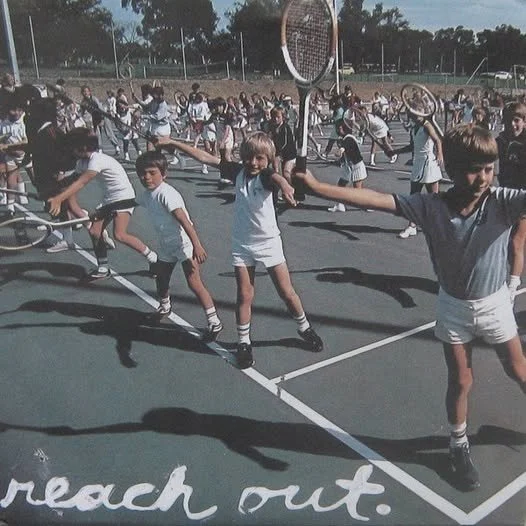
Release Information:
1994
The Great American Steak Religion Records
NorCal
Runtime: 12:04
Tracks: 4
Band Members:
Philip Scott (Vocals)
Mike Martinez (Guitar)
Mikel Garmendia (Guitar)
Stacey Iguchj (Bass)
Bob Beck (Drums)
Genres, Influences and Characteristics:
Screamo, Emocore, Noise Rock, Gloomy, Melodic, Atmospheric, Lofi
Musical Analysis:
Unlike the majority of the Screamo and Proto-Screamo in existence to this point, Reach Out’s s/t is the least beholden to the traditions and tropes of Hardcore Punk. Instead, the NorCal quintet utilizes time-tested Emocore values and cranks up the tunefulness with grandiose, sweeping melodies before adding atmospheric elements of raw, aggressive and dense Screamo. Topping off this aromatic concoction is basement-level recording and production,adding to the bulk of this forward-thinking release, and harrowing, gnarly screamed vocals.
Historical Analysis:
Little information is available on these Screamo trailblazers, save that they had another Demo with significantly more songs that seem lost to time. Although this EP remains a curious obscurity in the grand scheme of Screamo Canon, this band took innovative leaps forward that would become genre standard in the years to come, such as a brutal focus on melody and atmosphere. This release also further legitimizes California as the King of early Screamo.
Lyrical Analysis:
*Note that because this is an old, DIY and relatively minor release in the grand scheme of Emo and Punk history, I cannot locate lyrics for any of these songs. If more lyrics can be dug out, I will reevaluate the lyrical analysis.*
Ivich - La mort heureuse | The Shape of Screamo to Come
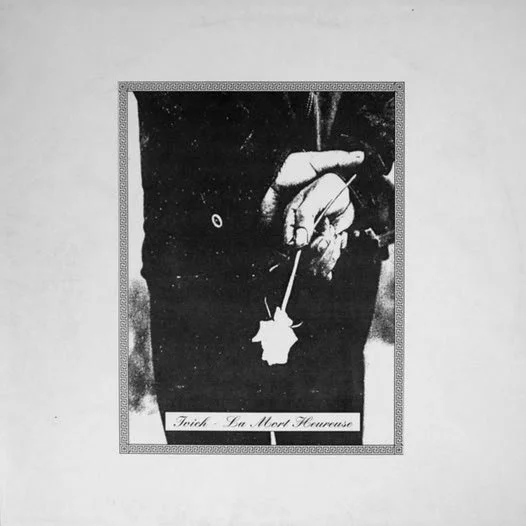
Release Information:
1994
Pikaϊa Records
Saint Maurice, Île-de-France, France
Runtime: 28:00
Tracks: 9
Band Members:
Eric (Vocals)
Yann Maisonneuve (Guitar)
Cedric (Bass)
Yves Maisonneuve (Drums)
Thierry (Trumpet)
Genres, Influences and Characteristics:
Screamo, Hardcore Punk, Lofi, Chaotic, Melodic, Offbeat
Musical Analysis:
As evidenced by the truly ludicrous drumming, Hardcore is the guide with which Ivich brought forth Screamo; blistering beats and thunderous fills characterize the vast majority of the drumming on here, though the guitars often drop the typical Punkish chord progressions in favor of more melody, dissonance and/or ambiance. The discord manifested by these insane elements is further intensified with offbeat trumpeting and rapid-fire vocal delivery, dropping the listener into a warzone of racket.
Historical Analysis:
Ivich debuted in 1992 with Sculpteur de cris, a weird and expressive Hardcore album with primitive Screamo inklings all masked by truly horrid production. Their 1993 EP featured the French Screamo pioneers pushing European Hardcore to its brink. Their sophomore full-length goes further as a hidden gem spearheading France's burgeoning Screamo scene. Pretty much every French Screamo band ever owes Ivich a huge debt of gratitude for basically inventing the genre out in Europe.
Lyrical Analysis:
*Note that because this is an old, DIY and relatively minor release in the grand scheme of Emo and Punk history, I cannot locate lyrics for any of these songs. If more lyrics can be dug out, I will reevaluate the lyrical analysis. Please note any lyrical analysis on my end will lack cultural nuance and accuracy in the translation.*
Mohinder - O Nation, You Bleed From Many Wounds, 1896 | The Shape of Screamo to Come
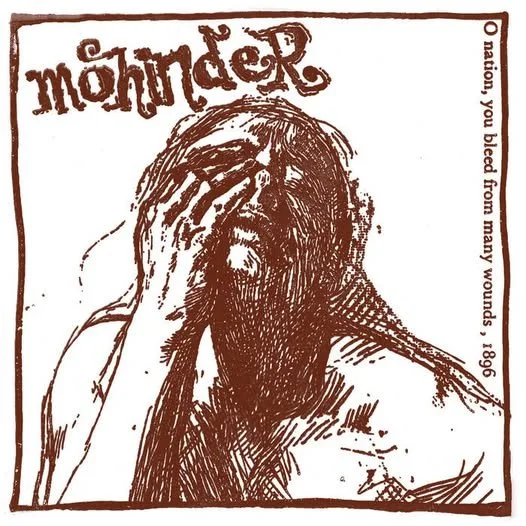
Release Information:
11/1993
Unleaded Records
Cupertino, CA (NorCal)
Runtime: 8:51
Tracks: 5
Band Members:
Canaan Amber
Clay Parton
Albert Menduno
James Uhring
Genres, Influences and Characteristics:
Post-Hardcore, Screamo, Noise Rock, Emocore, Unnerving, Frantic, Lofi
Musical Analysis:
A haunting, driving bassline is the harbinger of things to come on Mohinder’s debut EP, showcasing both the menacing, dissonant nature of the harmonies and the galvanic pace. The restless drumming, active guitar riffs, noisy dissonance and strained screaming vocals create a sinister atmosphere. The band often oscillates between intimidating slow-tempo Screamo and breakneck Hardcore passages, done in a manner that emphasizes each instrument in one way or the other. Despite the short runtime, the songs are varied enough to stand out for one reason or another. In particular, Mohinder infect several songs with short, lofi sections of utter noise and chaos, contrasting with the better-produced higher-intensity moments.
Historical Analysis:
Let’s get the obvious out of the way - much of this band would go on to form influential Indie Rockers Duster, but that’s not what this project is about. Mohinder pushed beyond the constraints of Hardcore Punk while also elevating the intensity of the moodier Emocore influences, giving us both a Post-Hardcore masterclass and a seminal Screamo starting point. They would expand upon their explosivity in future releases, but their debut showcases the differences between Hardcore Punk, Emocore and early Screamo while showcasing how clearly and closely they’re related.
Lyrical Analysis:
The singer’s confrontational nature is sprawled across all of the verses, succinctly exhorting of humanity’s neverending pursuit of materialism, warning the greedy, questioning the purpose of our constant suffering and the dredge of helplessness, isolation and anger he harbors, perhaps at society or inward at himself. The aggression is always directed at something in these lyrics, and with both personal and social ills addressed, this would be a common thematic roadmap for Screamo bands.
Sleeping Body - Awaken | The Shape of Screamo to Come
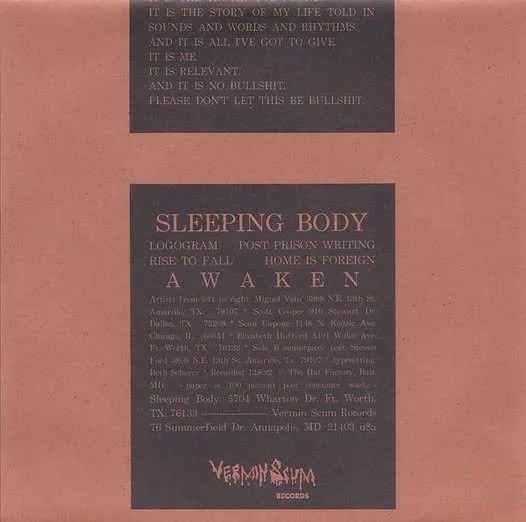
Release Information:
1992
Vermin Scum Records
Fort Worth, TX
Runtime: 11:33
Tracks: 4
Band Members:
Chad Percy (Vocals)
Carl Hollowell (Drums, Vocals)
Justin Wood (Guitar, Vocals)
Jeff Leeper (Guitar)
Jeff Hunt (Bass)
Genres, Influences and Characteristics:
Proto-Screamo, Noise Rock, Emocore, Lofi, Dissonant, Ominous
Musical Analysis:
The band’s name is exemplified in a quiet bass-led intro and the album’s title is embodied by the abrasive and gritty music that pops up after about 15 seconds. The noise rock influence, coupled with low-level production, gives the instruments, particularly the interplay between the guitars and drums, a clamorous quality that only experienced ears can fully suss out. What can be heard resembles a further melding of the dynamic interplay of Emocore with the heaviness of Hardcore music. In fact, even the screamed vocals are at a higher register than your typical Hardcore of this time, indicative of the future vocal stylings of this genre.
Historical Analysis:
Sleeping Body was among the first bands outside of the coasts to take influence from the emerging Post-Hardcore scenes on the East Coast and early Gravity Records bands like Heroin. To exist in Texas as a Leftist in the Hardcore scene is to exist in protest, and Sleeping Body’s brief but prolific career included playing a protest show across the street from the RNC. Though their existence didn’t singlehandedly change the trajectory of Screamo, nor did it transform the once-bustling Hardcore scene into a Screamo stronghold, this seminal early release has been a cathartic record for underground fans for decades now. In more recent times, younger Millennials and Gen Zers have unearthed some incredible obscure Emo, including this record.
Lyrical Analysis:
*Note that because this is an old, DIY and relatively minor release in the grand scheme of Emo and Hardcore history, I can’t actually locate any lyrics for the songs proper. As such, my lyrical analysis will be me pontificating on the band’s philosphy. If lyrics can be dug out, I will reevaluate the lyrical analysis*
Sleeping Body believes this world is a body and that we are all vital components to keep that body going. However, this body is “asleep” due to man-made horrors like war, pollution and discrimination. With their debut EP, the band is telling that Sleeping Body to Awaken, staying woke about 25 years earlier than all of us. The only way to accomplish this is cooperation, working together as a human species to better life for us all.
Merel - Merel | The Shape of Screamo to Come
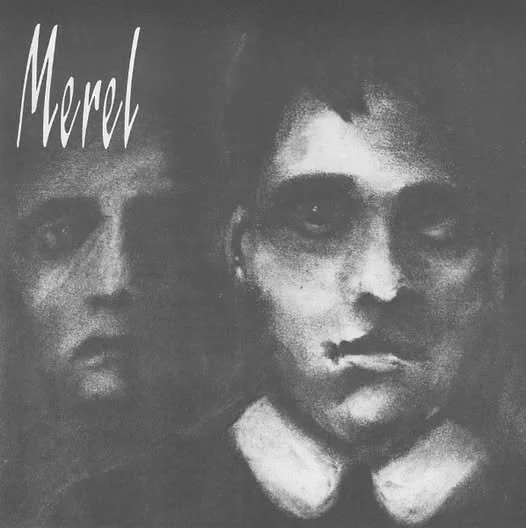
Release Information:
1991
Gern Blandsten Records
New Jersey
Runtime - 11:36
Tracks: 5
Band Members:
Jose Ruiz (Vocals)
Mike Solski (Guitar)
Jon Ariz (Guitar)
David Leto (Bass)
Greg Leto (Drums)
Genres, Influences and Characteristics:
Hardcore Punk, Emocore, Proto-Screamo, Lofi, Traditional, Raw, Dynamic, Political
Musical Analysis:
Merel's self-titled debut demo is a rough recording, totaling approximately 11 ½ minutes, featuring what we would call “standard” Hardcore these days with blistering tempos, heavy tones and shouted vocals slapdashed with more deliberate mid-tempo Emocore. These dynamics are somewhat disparate, but at times these genres combine to form one of the earliest-recorded examples of Proto-Screamo.
Historical Analysis:
New Jersey has been credited as being a “Hardcore Highway,” bridging the gap between New York's brutal approach to the genre and D.C.’s slower-tempo and methodical style; though exhibited plentily throughout the 80s, the most pertinent early example to this evaluation of Screamo comes by way of Merel's 1991 debut demo EP. Most would not credit this band (nor this release) as the Godfather of the genre, but few can trace the Shape of Screamo to earlier roots, thanks in large part to this band's geographical location adjacent to larger well-defined scenes.
Lyrical Analysis:
*Note that because this is an old, DIY and relatively minor release in the grand scheme of Emo and Punk history, I can only locate lyrics for one song. As such, my lyrical analysis will focus on this song. If more lyrics can be dug out, I will reevaluate the lyrical analysis*
It should come as no surprise that Merel's lyrics would be political in nature given their proximity to Punk. On Roadkill, Merel is disillusioned with the powers of the world, wondering how they can commit such atrocities while being able to live with themselves. Jose Ruiz's direct lyrical messaging invokes anger and malice towards them, thematically consistent with much of Hardcore during this time.