

Hello, everyone! Welcome to the hub for my Deep Dive project Establishing Screamo Canon: From Chaos to Catharsis! 2025 was the Year of Screamo and, while I didn’t quite get to my goal of covering Screamo from the 90s through 2015, getting through the 90s wound up being a Herculean feat in and of itself. I’m quite proud of this accomplishment! The series will continue indefinitely as I have time for it, but getting it up onto the website was very important. Please refer to the Overview post for more information about the series and the various sub-series within.
Below you can sort by subseries or via a tag cloud, weighing the most commonly-used tags such as artists, release years, record labels, locations, genres and even descriptors! Please keep an eye on this as the series continues! Alternatively, you may use the below search function to find anything you might be interested in reading about within the series. Please note that when you click one of the following links, you will have to scroll past the welcome and navigation sections to access the content.

- Emoviolence
- Dynamic
- Dissonant
- Chaotic
- Frantic
- Melodic
- 1999
- Post-Hardcore
- Raw
- 1997
- Hardcore Punk
- 1998
- Noisy
- 1996
- Emocore
- Florida
- SoCal
- Lofi
- Noise Rock
- Atmospheric
- Metalcore
- Post-Rock
- Midwest Emo
- Energetic
- Grindcore
- Canada
- Complex
- Massachusetts
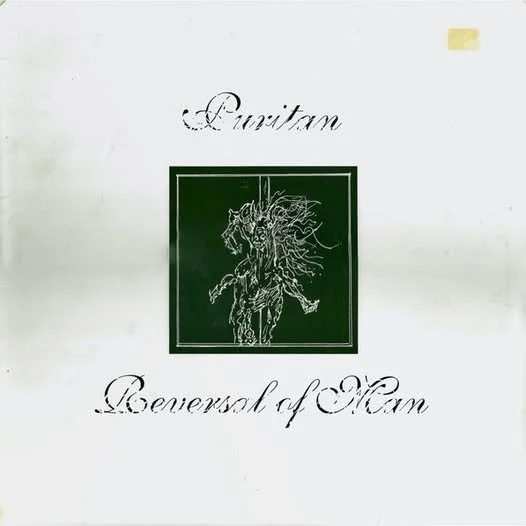
- Reversal of Man
- Independent
- NorCal
- 1994
- Ebullition Records
- Orchid
- Manic
- France
- New York
- New Jersey
- Aggressive
- Gravity Records
- Sass
- Mountain Records
- Pennsylvania
- Dark
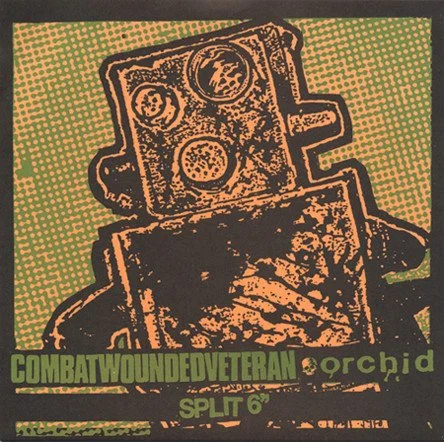
- Combatwoundedveteran
- Intense
- Witching Hour Records
- The Great American Steak Religion
- Dense
- Cold
- Metallic
- Technical
- Virginia
- Eclectic
- South Carolina
- 1993
- 1992
- Saetia
- Playful
- Three One G Records
- Frenetic
- Math Rock
- Powerviolence
- Indiana
- Driving
- You and I
- Puritan
Joshua Fit for Battle / Love Lost But Not Forgotten | Connective Tissue 1999
Joshua Fit for Battle
(Newark, DE)
Joe Breitenbach (Vocals)
Larry Everett (Vocals)
Geoff Matheison (Guitar)
John Fasano (Guitar)
Dan Bogart (Bass)
Kevin Hardy (Drums)
Love Lost But Not Forgotten
(St. Louis, MO)
Mike Schmidt (Vocals)
Scott Fogelbach (Guitar, Vocals)
Jason Emerick (Guitar)
Chris Grady (Bass)
Matt Prater (Drums)
Basic Info:
Release Date: 1999
Label: Normal Records
Runtime: 10:37
-Joshua Fit for Battle: 5:03
-Love Lost but Not Forgotten: 5:34
Tracks: 4
-Joshua Fit for Battle: 2
-Love Lost but Not Forgotten: 2
At a Glance:
Screamo, Emoviolence, Driving, Dissonant, Dynamic
Points on the Timeline:
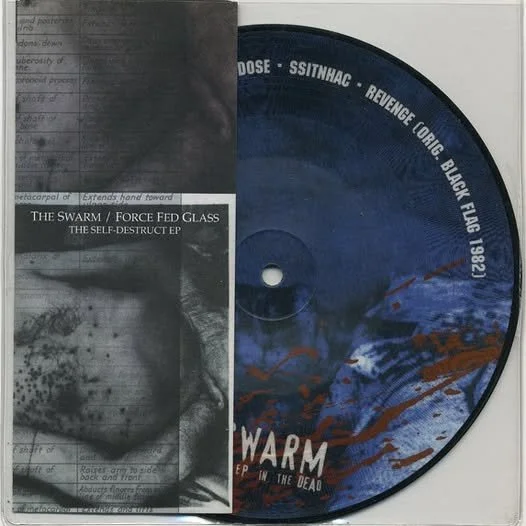
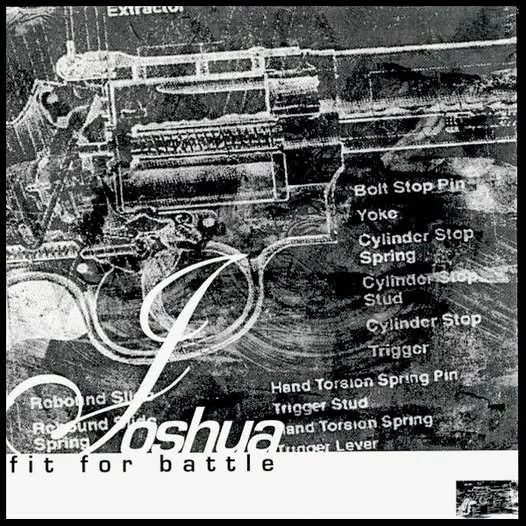
Both of these bands had only recently formed, both releasing their debut EPs and this split in 1999. Humble beginnings for two bands who would define the genre in the early 00s; Love Lost would release their unforgettable debut LP in 2000 while Joshua would have to wait until 2002 to get their moment in the sun.
Shapes in the Sound:
Uniquely, Joshua Fit for Battle has the first track on this split, followed by two back-to-back entries from Love Lost but Not Forgotten. Finally, the album ends with another Joshua Fit for Battle song. Their styles are distinct, but it’s nice to have a sort of bookend to this thing. JFFB’s side is a bit slower and warmer than LLBNF’s tracks, featuring a tad more starkness in the dynamic contrasts. Love Lost has fiery moments of Emoviolence passion that fizzle out as quickly as they come, tinged with plenty of dissonance.
Threads in the Tapestry:
This particular split was a great harbinger of what’s to come for the genre in the early 2000s. LLBNF’s two songs were demos for tracks that wound up on their seminal 2000 LP while JFFB perserved their early work in a comp later on.
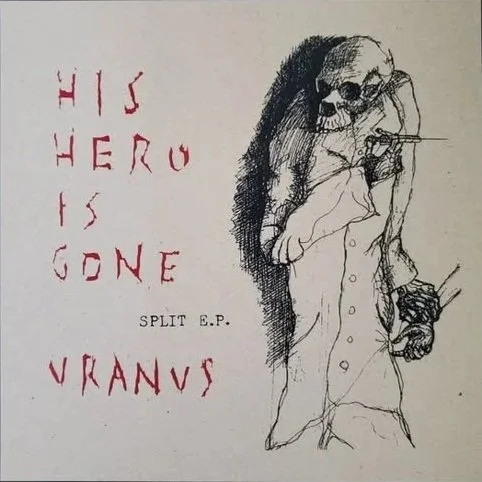

Index for Potential Suicide / Usurp Synapse | Connective Tissue 1999
Index for Potential Suicide
(Charleston, SC)
Christopher Ashley (Guitar, Vocals, Keyboards)
Shawn Williams (Bass, Vocals, Keyboard)
Robert Findlater (Drums)
Brian Cooper (Keyboards)
Usurp Synapse
(Lafayette, IN)
Antonio Leiaro (Vocals)
John Scott (Vocals)
Brandon Harris (Guitar)
Donald Kirkland (Guitar)
Tony Dryer (Bass)
Travis Chance (Drums)
Basic Info:
Release Date: 1999
Label: Witching Hour Records
Runtime: 8:46
-Index for Potential Suicide: 5:07
-Usurp Synapse: 3:39
Tracks: 6
-Index for Potential Suicide: 2
-Usurp Synapse: 4
At a Glance:
Emoviolence, Frantic, Synthy, Dynamic, Crushing
Points on the Timeline:
Both artists were relatively new to the scene, forming in 1998. Index released an EP in ‘98 while Usurp debuted their material in ‘99. Index wouldn’t last too much longer than the year 2000, while Usurp would stick around for a couple of years until 2003.
Shapes in the Sound:
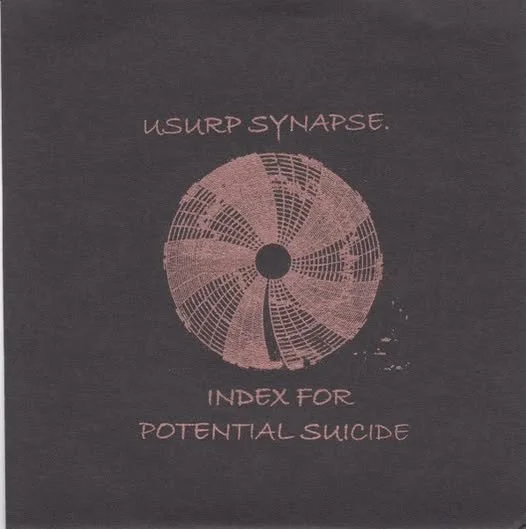
These two burgeoning Emoviolence acts have pretty different styles, but they come together perfectly in this cozy little package of destruction. Index for Potential Suicide utilizes synths (some more subtle than others) to layer their music and give it a unique twist. The core of the music is somewhat dynamic, switching from deep breakdowns to manic sections of pure chaos to some weird artificial sounds that are all out of place while simultaneously feeling right at home.
Usurp Synapse’s side features four songs that hover around the 1-minute mark but are played at such blistering tempos that there are tons of musical ideas on offer, with some room for cleaner, slower sections that counterbalance the rest of the insanity.
Threads in the Tapestry:
A staggering 800-mile trek separates South Carolina from Indiana, but that didn’t stop these two small-time acts from coming together early in their careers and ripping out some banger tracks. Although Index’s efforts tend to fly under the radar, Usurp Synapse has been on an on-again, off-again path of terror for decades. However, the majority of their material can be found on various splits, the first of which was with Index for Potential Suicide.
Saetia - Eronel | Screamo Hall of Fame Class of 1999 Nominee
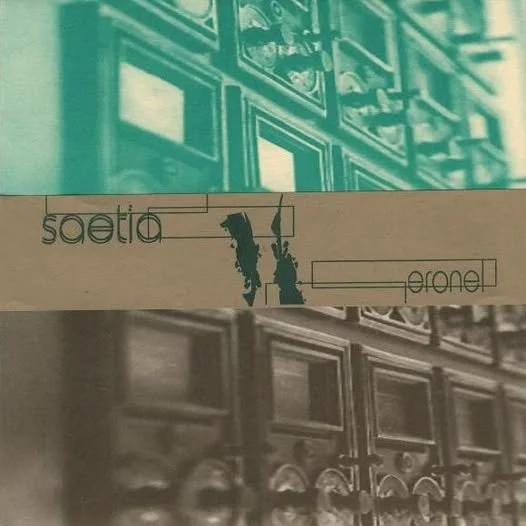
Release Information:
1999
Witching Hour Records
New York, NY (Tri-State)
Runtime: 10:56
Tracks: 3
Band Members:
Billy Werner (Vocals)
Jaime Behar (Guitar)
Colin Bartoldus (Guitar)
Steve Roche (Bass)
Greg Dundy (Drums)
At a Glance:
Screamo, Midwest Emo, Math Rock. Melodic, Complex, Dynamic
Musical Analysis:
This EP is riddled with uncommon time signatures, complex rhythms and melodies and passionate vocals, which says nothing of how maturely and expertly these elements are stitched together. Delicate guitars, subdued drums and gentle but active basslines define the more fragile and quiet moments on here, smoothly switching to distorted tones, boisterous drumming and wild bass with ease. The high-pitched shrieks from their earlier work return, but Billy Werner’s utilizes other impressive vocal techniques like shouting, crooning clean notes and spoken word, giving the music another cryptic layer.
Historical Analysis:
Low-key, this is their best recorded material. It’s a testament to the increasing technicality and artistry of their music, even if these particular songs tend to go by the wayside when discussing Saetia and their material.
Being the band’s final recorded material for over a quarter-century, it was naturally the closest resemblance to what would become of this band - Hot Cross and Off Minor. There are definite similarities between the bands’ respective 2002 debut EPs and this 1999 one.
Lyrical Analysis:
Saetia once again poetically lean into personal tragedy and existential themes on their lyrics, somehow always coming back to a seemingly universal truth that they shared with their peers: the power of language tends to fail us. In particular, Werner digs into the struggles with self-indentity under the weight of unfulfilled potential, the existential misery of living through borrowed meaning in life and feeling unworthy of love.
Usurp Synapse - This Endless Breath | Screamo Hall of Fame Class of 1999 Nominee
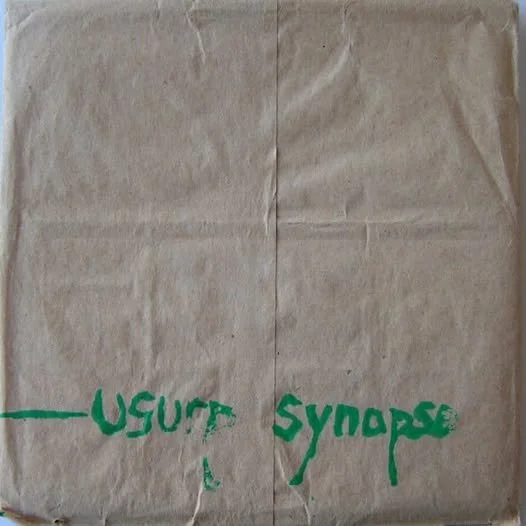
Release Information:
09/1999
Happy Couples Never Last Records
Lafayette, IN (Midwest)
Runtime: 11:41
Tracks: 8
Band Members:
John Scott (Vocals)
Don Kirkland (Guitar)
Dustin Redington
Tony Dyer (Bass)
Travis Chance (Drums)
At a Glance:
Emoviolence, Grindcore, Dussonant, Noisy, Dynamic
Musical Analysis:
This Endless Breath is one of the nastiest Emoviolence releases of the 20th century, taking cues from both the dynamism of bands like Reversal of Man and the brutality of artists like CWV, meeting somewhere in the middle compared to those bands’ 1999 efforts. Harmony is very distant from this project, rooting itself in discord and depravity. Even when the Grindy blastbeats are held at bay, the tension in their quieter sections almost matches the intensity of their explosiveness. The brutal and hoarse vocal performance seals the deal by pushing the insanity of the music into overdrive.
Historical Analysis:
This record is the very first blast of solo material for this infamous band, and it stands as some of their best. Their at-the-time unique approach to the genre fleshed out Screamo as a whole that much more. Even though the band is still kicking in one form or another, this contribution definitely flies under the radar in the grandness of Screamo Canon.
Lyrical Analysis:
Usurp Synapse uses brevity and absurdism in their lyrics to touch on some grizzly subjects, such as snapping under the weight of being “good,” the lie of nostalgia and how life is scripted. There’s a real sense of nihilism in these lyrics where the entire world sucks and/or is out to get you - can one mistake really ruin your life and legacy? Is the future really just a broken mirror? Is human affection just a performance? The band certainly seems to believe so, with their rabid emotions transferring from the lyrics sheet to the music.
Kulara - 5 Pieces Songs | Screamo HAll of Fame Class of 1999 Nominee
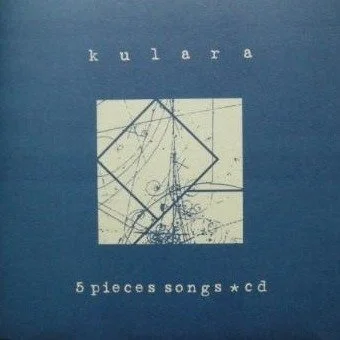
Release Information:
1999
Never Shown Face Records
Tokyo, Japan
Runtime: 24:56
Tracks: 5
Band Members:
Murase (Vocals)
Nakagawa (Guitar)
Tanaka (Guitar)
Takaya (Bass)
Kimura (Drums)
At a Glance:
Screamo, Prog, Math Rock, Post-Rock, Dissonant, Dynamic, Complex, Experimental, Noisy, Atmospheric, Dense
Musical Analysis:
The best word I can use to describe this sound is “disorienting,” as the musical complexity, masterclass dissonance and volume dynamics are all wrapped in this unique Progressive aura of experimentation. Slow, disharmonious sections composed from a tense atmosphere and a chilling melody will jarringly and frantically switch to a chaotic section of screaming and uncontrolled musical mayhem, a regular occurrence. It’s quite difficult to transcribe the sound of this beast into English, so I’m just going to recommend you listen for yourself and hear the magic unfold before your ears.
Historical Analysis:
Following Envy’s 1998 LP, Japanese Screamo began to experiment and refine itself, and no artist in the country represented that better than Kulara. After a few middling Screamo EPs, this 1999 release defined them as true innovators in Screamo with this Prog-adjacent masterpiece. The experimentation on here is unlike anything heard before OR after, evidenced by how difficult it was to conceptualize the sound in words. Although this particular release didn’t set the world on fire, it remains one of the crowning achievements of early Japanese Screamo and deserves to at least be mentioned in the same breath as other greats from the 90s.
Lyrical Analysis:
*Please note any lyrical analysis on my end may lack cultural nuance and accuracy in the translation.*
The EP takes you on a remarkable lyrical journey through anxiety and isolation, the violence of silence, losing sanity, the machinization of humanity and the illusion of autonomy. There’s a bitter sense of helplessness as language fails us and cycles of violence trap us. However, perhaps being insane in an insane society is the only true escape. Maybe, to break these miserable patterns chosen for our lives, we must shatter the patterns and destroy the self. Appropriately, this is a bit of Eastern wisdom after 25 minutes of catharsis.
I Have Dreams - Three Days ‘Til Christmas | Screamo Hall of Fame Class of 1999 Nominee
Release Information:
1999
Independent
Tallahassee, FL (Southeast)
Runtime: 15:53
Tracks: 5
Band Members:
Allen Compton (Vocals)
Mike Peters (Vocals)
Mike Hanson (Guitar)
Ben Seals (Bass)
Clayton Rychlik (Drums)
At a Glance:
Screamo, Metalcore, Midwest Emo, Dynamic, Energetic, Melodic
Musical Analysis:
Taking the bones of Screamo with emotionally intense screamed vocals and dynamic song structures, I Have Dreams concocted a formula all their own with plenty of chugging Metalcore riffage and the melodic sensibilities of Midwest Emo. Many of the songs swing jarringly between driving, intense sections, brutal breakdowns and clean, slightly cheesy concentrations of vocal and guitar melody. The entire record is gently wrapped in immutable youthful energy and raw, confessional emotional outpouring.
Historical Analysis:
The core of this band came together a year earlier, releasing a demo under the name New Ethic. Tragically, one of their guitarists would die young, leading to the formation of I Have Dreams and their sole release in 1999. This record serves as a tribute to their fallen friend, carrying on his musical legacy and allowing the young band members to express their deepest and saddest sentiments, the true basis of many great Emo artists.
Although a beloved cult classic now, it really took the Zoomers to bring this out of obscurity. While one of the best and most heartfelt releases of the entire 90s in Screamo, this one will be remembered as a hidden gem, not a Hall of Fame tour-de-force.
Lyrical Analysis:
With the aforementioned passing of this band’s former friend, the entire project revolved around their shared grief. After all, each band member was quite young during their time as I Have Dreams and DIY Hardcore was their outlet. Much like grief, the EP struggles as an emotional tide between bitter pain and joyous reverie. Grieving communally has allowed for healing, but the loss of their friend destroyed the future they all had together. The lifelong friendship has permanently shaped them as individuals, but the pain of grief leads to forgetting his face. Ultimately, the gratitude they have for him as a special part of their lives transcends the grief over losing their loved one. Grief strengthens love and vice versa.
Despite utilizing some truly playful screaming and cheesy clean vocals, the emotional vulnerability and rawness of the lyrics lead to well-earned catharsis. These are possibly the most personal lyrics on a release that we’ve covered yet.
Constatine Sankathi - Discography | Holy Grails 1998
The Artifact:
1998
Council Records
Runtime: 59:51
Tracks: 20
Artifact DNA:
Screamo, Emocore, Melodic, Dynamic, Quirky
Artifact Archeologists:
Christopher Sprague
Ian Pirtola
Joe Mattson
Rich Miles
Artifact Contents:
Both tracks from a split with Bev.Clone
Two tracks from various comps
All tracks from their Demo (unknown release date)
All tracks from their 1994 EP Who Killed the Killed Kid?
All tracks from their 1995 EP Baby Unicorn Tripped Over a Rock and Hurt Its Throat and Then Vomited
An original track
Artifact Echoes:
Constatine Sankathi’s discography is surprisingly fully realized and even across its near-hour length. Taking the last decade of Emocore as a blueprint while adding aggression and one of the weirdest trumpets you've ever heard, Constatine Sankathi's output is emotionally potent and dynamic, chaotic at times and serene at others. Half the time, that serenity is broken up by a bonkers and frankly reckless trumpet that may turn some listeners off but adds to the discordant atmosphere.
Artifact Legacy:
The band represents Kalamazoo (and all of Michigan, by extension) with profound and forward-thinking early Screamo. They took what Emo scene compatriots Ordination of Aaron were doing and injected it with heaviness and aggression. By mid-90s Screamo standards, they were recording some truly crazy and forward-thinking stuff, but their legacy seems trapped in ice in the Great Lakes.
Artifact Value:
Approximately 1,500 copies of this CD were made available over a couple for different runs. Overall, while not as highly sought after as other Grails, this can still run you at least $20, if not closer to $30+. Not bad for some local Michigan boys!
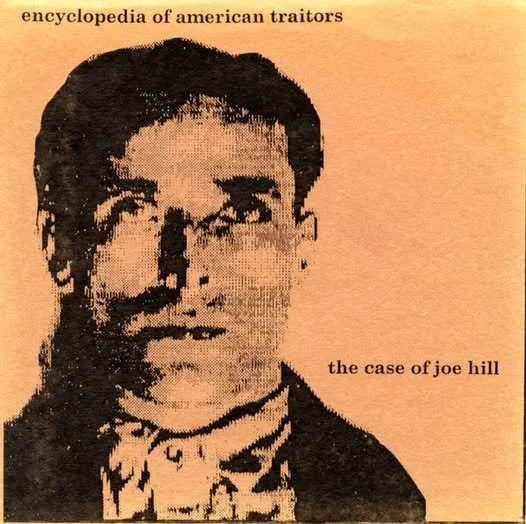
Encyclopedia of American Traitors / Kwisatz Haderach - The Case of Joe Hill | Connective Tissue 1998
Encyclopedia of American Traitors
(Millersville, PA)
Andrew Martin
Keith Miller
Ryan Suffort
Steve " Yuletide" Sakasitz
Zachary Martin
Kwisatz Haderach
(Arlington, VA)
Geoffrey Todd Culbertson
Lucia Forte
Sam Gutterman
Todd Hoffman
Todd Neece
Yannis Stephanopoulos
Basic Info:
Release Date: 1998
Label: N/A
Runtime: 11:03
-Encyclopedia of American Traitors: 4:55
-Kwisatz Haderach: 6:08
Tracks: 4
-Encyclopedia of American Traitors: 2
-Kwisatz Haderach: 2
At a Glance:
Emoviolence, Frenetic, Atmospheric, Dynamic
Points on the Timeline:
Both of these small-time Emoviolence bands existed solely in the late 90s. EOAT was two splits and one EP deep into their career in 1998, with one more EP and a discography comp in their future. Kwisatz Haderach would only release an EP this year outside of this Split before calling it quits.
Shapes in the Sound:
Both of these bands execute dynamic Emoviolence with long, atmospheric buildups with some gnarly screams. EOAT tends to have more of a dichotomy between melody and dissonance, sounding somewhat like Saetia performing Emoviolence at times, while Kwisatz is a bit more “Hardcore,” for lack of a better term. Regardless, both of these artists took great care to ensure the hectic sections were balanced out.
Threads in the Tapestry:
This quick East Coast connection wasn’t well known, but both bands would flesh out Emoviolence in their respective regions. Though quite small time, members would go on to flourish in other Hardcore bands like Yaphet Kotto, Tiny Hawks and Virgina Black Lung.
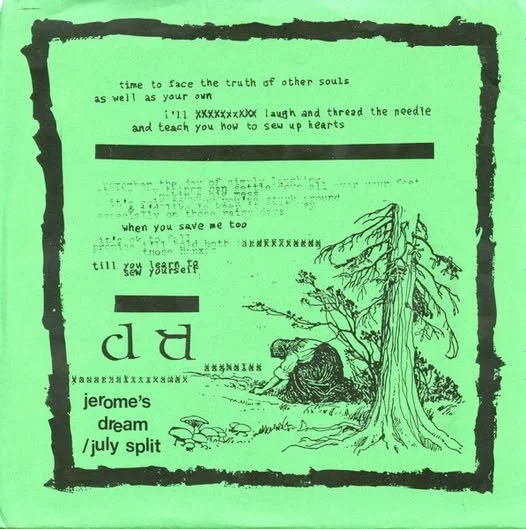
Amalgamation / Jeromes Dream | Connective Tissue 1998
Amalgamation
(Washington, D.C.)
Forbes Graham (Vocals)
Jacob Long (Vocals)
Chad Matheny (Guitar)
Chris Chang (Guitar)
Adam Witt
Eazy
Jeromes Dream
(West Haven, CT)
Jeff Smith (Vocals, Bass)
Nick Antonopulous (Guitar)
Erik Ratensperger (Drums)
Basic Info:
Release Date: 12/1998
Label: Ricecontrol Records
Runtime: 10:21
-Amalgamation: 5:40
-Jeromes Dream: 4:41
Tracks: 4
-Amalgamation: 2
-Jeromes Dream: 2
At a Glance:
Screamo, Emoviolence, Chaotic, Manic, Dynamic
Points on the Timeline:
Amalgamation exists only through two splits, this being their second and final release. Conversely, this was the very first taste of Jeromes Dream that the world was blessed with. They would have a fruitful and prolific career for several years before making a comeback two decades later.
Shapes in the Sound:
With tense, sinister buildups and dissonant, explosive crescendos, this chaotic release showcases two bands with a lot to prove. The split begins with Amalgamation’s unhinged trumpeter performing over truly chaotic Emoviolence, and the weirdness doesn’t stop there. The two vocalists are both gnarly and high-pitched, adding to the depravity of their sound. The trumpet continues on, adding both melody and discord to the driving and unpredictable songs.
Jeromes Dream sounds surprisingly fully-formed for this being their first release, pushing forth with unbelievably noisy arrangements, syncopated and raw chord progressions, a deep, buzzing bass that fills the recording, a dynamic drummer capable of the quietest, most fragile beats and the most spastic sections of drumming put to record in Screamo thus far, all tied together by a manic, high-pitched vocalist whose screams are as painful on delivery as they are in purpose. Aside from that, their two tracks flow remarkably well together.
Threads in the Tapestry:
Amalgamation is a band seemingly lost to time, but they were an innovative late-90s Emoviolence band with some sweet trumpets and embodied unpredictability. Without some D.C. oldheads and this very split with the one and only Jeromes Dream keeping their memory alive, we probably wouldn’t be listening to their kickass songs.
Meanwhile, Jeromes Dream would go on to have a legendary and prolific career in Screamo, initially disbanding a few years after this. While their splits would be legendary and eclipse what they accomplished here in 1998 (not to mention the legendary LP due to shock the system), this is still a worthy listen for fans of Screamo, Emoviolence and especially Jeromes Dream.
Envy - From Here to Eternity | Screamo Hall of Fame Class of 1998 Nominee
Release Information:
8/11/1998
HG Fact Records
Tokyo, Japan
Runtime: 33:54
Tracks: 11
Band Members:
Tetsuya Fukagawa (Vocals)
Masahiro Tobita (Guitar)
Nobukata Kawai (Guitar)
Manabu Nakagawa (Bass)
Dairoku Seki (Drums)
Genres, Influences and Characteristics:
Screamo, Melodic, Energetic, Dynamic, Raw
Musical Analysis:
On this LP, Envy crafted gorgeous, pure, cathartic Screamo, just as you would expect. In particular, their dense, heavy guitars would overwhelm if not threaded with clean, standalone guitar arpeggios, tasteful melodic lead lines, dynamic song structures and endless kineticism. This all combines with Fukagawa's intense vocal performance to produce astonishing results.
Historical Analysis:
Simply put, this album is integral to the formation of Japanese Screamo. Although Envy's primary influence on the genre seems to be the integration of Post-Rock, that innovation in and of itself was spurred from Envy's injection of melody into heavy Screamo.
Prior to this album, Envy had undergone numerous lineup and stylistic changes since their 1992 formation, but they would have about two decades with this lineup, wherein all of their legendary material would be released. Special to Japan, this record serves as a harbinger of what's to come more than a standalone entry into the Hall.
Lyrical Analysis:
*Note that because this is an old release in the grand scheme of Emo and Screamo history, I cannot locate lyrics for any of these songs. If more lyrics can be dug out, I will reevaluate the lyrical analysis. Please note any lyrical analysis on my end will lack cultural nuance and accuracy in the translation.*
Saetia - Saetia | Screamo Hall of Fame Class of 1998 Inductee
Release Information:
1998
Mountain Records
New York, NY
Runtime: 28:45
Tracks: 9
Band Members:
Billy Werner - Vocals
Adam Marino - Guitar
Jaime Behar - Guitar
Colin Bartoldus - Bass
Gregory Drudy - Drums
Genres, Influences and Characteristics:
Screamo, Midwest Emo, Math Rock, Complex, Dynamic, Melodic, Raw, Aggressive
Musical Analysis:
Coming a year off the heels of their revered demo, Saetia’s 1998 s/t LP is a revelation of Screamo music, taking their formula and supercharging it. The dynamic song forms return with more intensity than ever, balancing perfectly with the softer melodic parts of the album. Introduced in this release are strong Math Rock influences, giving their songs more unpredictability, varying odd time signatures, rhythmic complexity and an overall higher level of technicality than ever. This intricacy adds even more dynamism to their songs, emphasizing the poignant melodies and depravity more than before.
Historical Analysis:
The opening salvo of their discography was a monumental step forward for Screamo, but this album is perhaps one of the most influential works in the genre's history. This bold statement basically defined what Screamo would sound like at its peak and turned the somewhat silly subgenre into one capable of high art. The final shackles of Hardcore Punk and Post-Hardcore that held the genre together early on have evaporated and Screamo genre conventions were truly their own.
This album is the blueprint for which countless Screamo bands took inspiration, even if we’d have to work through a few more years of Emoviolence prominence before Saetia’s influence would be the defining sound. Besides this legendary status, the music itself is exceptional and would likely qualify for the Screamo Hall of Fame even without its legacy.
Lyrical Analysis:
Saetia fully embraces nihilism on this s/t. From just the title of the first song, the band reflects on how language is a lie we use to deceive ourselves, the destructive power of words and the failure of human systems. It sure seems like personal and collective misery is at the forefront of their lyrical themes, but their nihilistic worldview cuts both ways: sure, words are a lie and they tend to destroy relationships, but they also compose art - and art is a divine struggle. Yes, relationships can fail and you can subsequently fall, but there is power in rising above. Of course, the body exists as a tool of self-hatred and a reminder of our temporary mortal condition, but there is freedom in the emptiness. These are among the most poetic and artistic lyrics in the entire genre to this point.
Peu être / Carther Matha / Rachel | Connective Tissue 1997
Peu être
(Niort, Nouvelle-Aquitaine, France)
Gérome Desmaison
Laurent Daudin
Mike Ramounet
Carter Martha
(France)
Antoine De Lassée
Eric Surmont
Gérome Desmaison
Sébastien Janouin
Rachel
(France)
Nicolas Marilleau (Vocals)
Antoine De Lassée (Guitar, Vocals)
Laurent Daudin (Guitar)
Eric Surmont (Bass)
Sébastien Fouet (Drums)
Basic Info:
Release Date: 1997
Label: Le brun le roux corporation
Runtime: 1:11:18
-Peu être: 22:16
-Carther Matha: 26:46
-Rachel: 22:16
Tracks: 26
-Peu être: 8
-Carther Matha: 11
-Rachel: 7
Genres, Influences and Characteristics:
Screamo, Melodic, Dynamic
Points on a Timeline:
With eight members between the three bands and more than their share of cross-pollination, these staples of the 90s French Screamo scene came together at very similar points in their lifespans. All three bands started off in the mid-90s with demos, with perhaps Peu être forming and releasing their material first in ‘94. This split would be the last major work from any of these bands, however; Peu être didn’t release any material after this until their brief reformation in 2011. For Carther Matha, this would be the last the world would hear from them. Rachel would continue as a band the longest, releasing their final EP in 2001.
Shapes in the Sound:
Right off the bat, I need to address this: yes, these bands do sound fairly similar, but as I’ve previously mentioned, there are only eight interconnected members among these bands, all likely from the same region of Western France, so this tracks. As far as similarities go, they all have the “French Screamo” sound. What is that? It’s the marriage of emotional intensity, dynamic aggression and gorgeous melodies, melding them together in a winning formula that would be iterated upon for years to come.
Peu être utilizes dense guitar textures to craft atmosphere, Carther Matha have very-defined clean sections and have the closest ties to Hardcore, and Rachel, with perhaps the gnarliest vocalist of the bunch, packs their tracks with more length, bigger builds and emotional gravitas.
Threads in the Tapestry:
Simply put, this is a statement release for French Screamo and Western France. Several prominent musicians collaborated on this ambitious release, with each band contributing an LP's worth of music to the cause. This release would fade into obscurity as the genre grew in prominence, particularly in France, but the 1+ hours of pure 90s French Screamo preserves in amber an active and important scene in the development of this intense genre.
Closure - Closure | Screamo Hall of Fame Class of 1997 Nominee
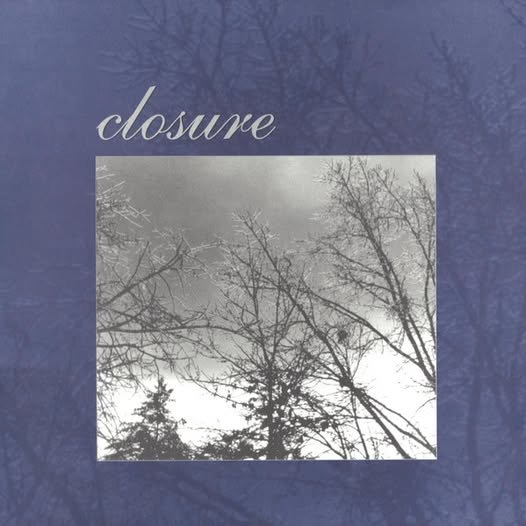
Release Information:
1997
Mountain Records
New York
Runtime: 31:31
Tracks: 6
Band Members:
Trevor Perry (Vocals)
Adam Gutwein (Guitar)
Mike Treff (Guitar)
Mark Spelbur (Bass)
Dave Spelbur (Drums)
Genres, Influences and Characteristics:
Screamo, Post-Rock, Cold, Melodic, Dynamic
Musical Analysis:
Closure's self-titled album represents the best tropes of late 90s Screamo, showcasing a dynamic mix of chilling, atmospheric instrumental sections of quiet melody, masterfully-crafted tense buildups and powerful, cathartic crescendos. Trevor’s gnarly screams add emotional depth to the songs, imparting unto the listener every ounce of pain that he’s internalized.
Historical Analysis:
Although quite obscure in the grand scheme of Screamo Canon, Closure’s one and only LP stands the test of time as an early example of Post-Rock creeping its way into Screamo music, in a similar vein to Portraits of Past and Breakwater (with whom they performed on a split with). Though this album predates some of the later classics with Post-Rock leanings, its niche popularity means not enough people were influenced by this incredible album to earn its place in the Hall.
Lyrical Analysis:
Closure keeps the lyrics simple to ensure the potent messages are digestible by all, despite the incomprehensibility of the vocalist at times. Utilizing short bits of prose and simply-structured poetic lyrics, themes of religious hypocrisy, abuse of power and the dehumanizing nature of work are solemnly explored. The doom and gloom lead to catharsis, though, with a rallying cries against willful ignorance, in favor of feeling genuine human emotion and pain, and to seek your own meaning in life.
Saetia - Saetia | Screamo Hall of Fame Class of 1997 Inductee
Release Information:
1997
Independent Release
New York City, NY (Tri-State)
Runtime: 14:42
Tracks: 4
Band Members:
Billy Werner (Vocals)
Adam Marino (Guitar)
Jaime Behar (Guitar)
Alex Madera (Bass)
Greg Drudy (Drums)
Genres, Influences and Characteristics:
Screamo, Midwest Emo, Post-Rock, Dynamic, Raw, Mysterious, Complex
Musical Analysis:
You come to understand the power of Saetia’s music within seconds of the intro track’s simple but harrowing intro, oscillating between complete silence and brash, distorted guitar. Entering next is Billy Werner’s iconic high-pitched screeches juxtaposed with frustrated, rapid-fire spoken word verses. As the songs progress, a profound sense of dynamic songwriting can be heard through the serene quiets and the frantic louds on this record. Saetia was definitely inspired by the style of Midwest Emo with intensity changes and twinkly guitar parts, more than the form.
This record isn’t just an establishment of Screamo tropes, though. It is a vibrant, seemingly-alive work of art that reflects the anguish of the band members. Despite each track going through its own arc, the entire EP seemingly builds up to an explosive crescendo in their final track. This is aided by the subtle Post-Rock influence that, while not as pronounced as in bands like Portraits of Past, gives this band the freedom to air out their emotions through extended instrumental passages.
Historical Analysis:
Whenever analyzing the discography of a Screamo band, never, and I mean NEVER, underestimate the power of a demo tape. Although this band would go on to have a legendary (if not short) career, this demo started it all. Featuring the two tracks from a single that would release that same year, this s/t Demo features some of the most beloved songs in the entire catalogue of the band. Countless artists would be inspired by these tracks alone, though Saetia would have quite the prolific career from here despite their brief run.
Lyrical Analysis:
Saetia’s prose-like approach to lyricism allows the band to tell extremely personal emotional tales through stream-of-consciousness verses, powerful repeated phrases and grandiose metaphors about regret and heartbreak. The band isn’t thematically novel, exploring the ideas of unrequited love, grief and nostalgia. Billy’s frenzied vocal delivery imparts desperation and immediacy upon the listener, only to slow things down with clean spoken words that are clearly and painfully understood. Many Screamo bands would blend in political and social ills with personal misery, but Saetia looked entirely inward for motivational torment for these lyrics.
Finger Print - Discography | Holy Grails 1996
The Artifact:
1996
Stonehenge Records
Runtime: 1:03:32
Tracks: 19
Artifact Characteristics:
Screamo, Hardcore Punk, Metalcore, Driving, Raw, Dynamic
Artifact Archeologists:
Nicolas Fisseau (Vocals)
Christophe Mora (Guitar, Vocals)
Thomas Guillanton (Bass)
Jérôme Bessout (Drums)
Artifact Contents:
Every track from their 1993 S/T
Every track from their 1994 S/T
Three original tracks
Four tracks from various comps
Two live recordings
Artifact Echoes:
Despite only being active for two years, Finger Print was a surprisingly prolific band. Though very influenced by the straightforward nature of early 90s Hardcore, Finger Print was one of the first artists in Europe to add such a level of dynamism and melody to their songs, incorporating acoustic guitars and intensity switches. Following closely behind the gnarly emotive screeches from the vocalist is a chugging guitar that breaks things up with some early Metalcore riffage. The further into this comp you get, the stronger the presence of melody is, marrying it with the aggression you’d expect to find in Hardcore. Refreshingly, the bassist is quite prominent in the mix, giving the songs a sense of immediacy and danger. The two EPs are both great, showcasing the band’s evolution as they helped shape Screamo history, though the comp tracks, original tracks and even the live versions (although quite roughly recorded) are all recommended.
Artifact Legacy:
While obscure, Finger Print was one of the originators of Screamo, not just in Europe but globally. Their brand of melody-and-riff-infused Hardcore would give credence to the upcoming sound of Screamo. Emotional intensity, quiet-loud dynamics and surprisingly-crisp production make this primitive Screamo record endlessly replayable, even in the modern day. Their influence can be heard in genre contemporaries like Anomie, Carol, Ivich and beyond. Once they disbanded, Christophe Mora would form obscure-but-influential Screamo band Jasemine.
Artifact Value:
This was originally released on CD in France and, despite its obscurity, is relatively cheap to import. Interestingly, this also came out as a cassette in Southwest Asia, with that version also being affordable but even harder to come by.
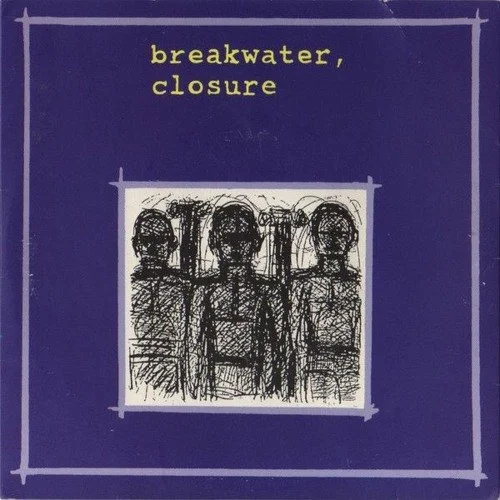
Breakwater / Closure | Connective Tissue 1996
Breakwater
(Victoria, BC, Canada)
Jode Shortreed
Steve Simard
Carey Mercer
Closure
(New York)
Trevor Perry (Vocals)
Adam Gutwein (Guitar)
Mike Treff (Guitar)
Mark Spelbur (Bass)
Dave Spelbur (Drums)
Basic Info:
Release Date: 1996
Label: Mountain Records
Runtime: 9:31
-Breakwater: 7:12
-Closure: 6:44
Tracks: 3
-Breakwater: 1
-Closure: 2
Genres, Influences and Characteristics:
Screamo, Emo, Post-Rock, Melodic, Raw, Dynamic, Lofi
Points on the Timeline:
Almost all of Breakwater’s other material was released in 1995, a demo and a single that contains two songs from the demo. Barring the song Twelve that appears on a comp, this is their only other recorded track. Closure had just formed before this EP dropped and would only last one more year with a full-length album.
Shapes in the Sound:
Melodic, long-form, Post-Rock-driven Screamo with tons of dynamic intensity is found on both sides of this excellent split. Breakwater’s passionate track is a heartbreaking journey of soft vocals and cathartic screams, melodic lead lines and heavy, dissonant chord progressions and devastating crescendos. Closure is a bit more straightforward in their songwriting but features incredibly driving rhythms, heavier production and more bounciness. Though quite contrasted, these two bands complement each other. MAGIC TURTLE!
Threads in the Tapestry:
I initially assumed Victoria was on the East Coast of Canada, which would make sense considering the ties to New York. However, I learned that these two bands were at least 2,500 miles apart, so we’re spanning quite a bit of continent here. Breakwater contributed a track to the same Mountain Records comp as Closure, which is how I imagine they became connected. This split represents cross-country scene building and demonstrates Screamo’s other tendency towards melody and dynamism, compared with some of the heavier bands during this time pushing Emoviolence and other more extreme forms of Screamo.
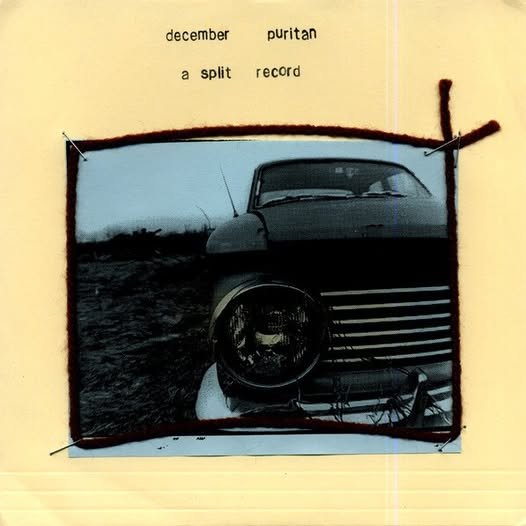
December / Puritan - A Split Record | Connective Tissue 1996
December
(Bethlehem, PA)
Jeremy (Vocals)
Seth (Guitar)
Joe (Guitar)
Dan (Bass)
Matt (Drums)
Puritan
(State College, PA)
Chad Pfeiffer
Demian Fenton
Doug Savour
Tyler Lotz
Vijay Hariharan
Basic Info:
Release Date: 1996
Label: Giving Tree Records
Runtime: 9:31
-December: 4:09
-Puritan: 5:22
Tracks: 4
-December: 2
-Puritan: 2
Genres, Influences and Characteristics:
Screamo, Emoviolence, Metalcore, Dissonant, Aggressive, Dynamic, Noisy
Points on the Timeline:
December’s only known material is on this split, two songs that add up to a little more than four minutes. Meanwhile, Puritan had a rewarding year with a demo and two splits released. However, they’d only release an EP in 1997 before calling it quits.
Shapes in the Sound:
Two similar bands whose style is a cross between the emotive dynamism of Screamo and the more extreme side of Emoviolence, combined with some truly Metalcore chugging riffs. The screams from both bands on this quick split are gnarly and high-pitched while the music is a constant tug-of-war between wailing, dissonant guitar and tense moments of quiet, just waiting for the insanity to ensue.
Threads in the Tapestry:
Emoviolence was just emerging during this year, and this split put a heaping teaspoon of Pennsylvania in the mix, with both bands only within a couple hours’ drive from each other. Although this split didn’t singlehandedly put the state on the map as a Screamo hotbed, it does showcase 10 invaluable minutes of Emoviolence history.
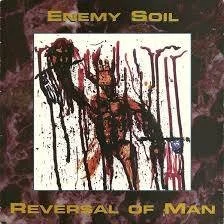
Reversal of Man - Reversal of Man | Screamo Hall of Fame Class of 1996 Nominee
Release Information:
1996
Valrico Records
Tampa, FL
Runtime: 7:15
Tracks: 4
Band Members:
Matt Coplon (Vocals)
Christopher Norris (Guitar)
Joe Camacho (Guitar)
Jason Crittenden (Bass)
John Wiley (Drums)
Genres, Influences and Characteristics:
Screamo, Emoviolence, Ominous, Frantic, Intense, Dynamic
Musical Analysis:
On this 1996 s/t, Reversal of Man crafted three different ideas to switch between dynamically: slow, sinister and clean guitar melodies with light accompaniment, crushing, dissonant, mid-tempo Screamo that bares its fangs, and blistering, extreme, turbulent Emoviolence. Does this formula simplify the actual music found on here? Yes, but putting this together with a keen sense of songwriting, harrowing high-pitched screams and endless passion transforms this from formulaic to trailblazing.
Historical Analysis:
Reversal of Man pushed forth with their blistering take on Screamo, emerging as one of the early trendsetters of the Emoviolence movement, even before it had a name. Taking spastic elements of Powerviolence and combining them with the emerging and dynamic force of Screamo was quite novel, even if several bands around the US were also pushing similar boundaries.
Lyrical Analysis:
*Note that because this is an old, DIY and relatively minor release in the grand scheme of Emo and Screamo history, I cannot locate lyrics for any of these songs. If lyrics can be dug out, I will reevaluate the lyrical analysis.*
Sidekick Kato - 1st Class Chump | Screamo Hall of Fame Class of 1996 Nominee
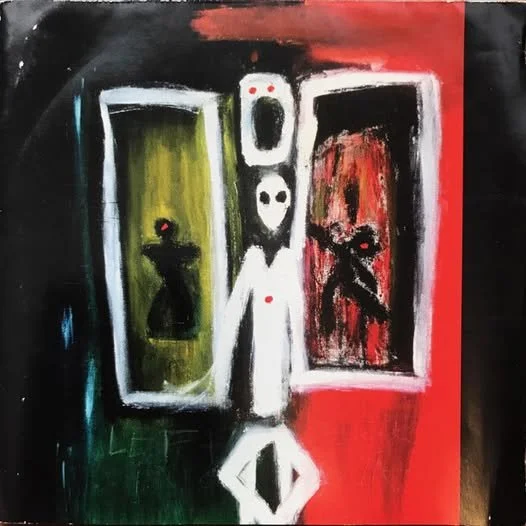
Release Information:
1996
Johann’s Face Records
Des Plaines, IL (Midwest)
Runtime: 39:33
Tracks: 10
Band Members:
Tom Anderson (Vocals)
Franky Hryniewicz (Guitar)
Xaq (Guitar)
Joe Campagna (Bass)
Jay Dean (Drums)
Genres, Influences and Characteristics:
Midwest Emo, Screamo, Post-Hardcore, Melodic, Dynamic, Raw, Autumnal
Musical Analysis:
Sidekick Kato employs that early Post-Hardcore-influenced Midwest Emo sound, encapsulated by the first few seconds of the intro track: a loud, brazen chord progression transitions into a delicate, twinkly arpeggio with melodramatic crooning. This formula is quite reminiscent of Midwest Emo contemporaries like Texas Is The Reason, though these Illinois folks iterate even further by adding in some bold, cacophonous Screamo instrumentation and some emotionally resonant screams to the equation. I’d say the bulk of the music here leans Midwest Emo, however.
Historical Analysis:
To my knowledge, this is the very first attempt at weaving Midwest Emo with Screamo ever attempted, so kudos for that accomplishment right off the bat. Because Midwest Screamo wasn’t even an obscure subgenre of Emo yet and wouldn’t be for over a decade, this forward-thinking curiosity is an undeniable part of Screamo Canon, despite its minimal direct influence on the genre.
Lyrical Analysis:
*Note that because this is an old, DIY and relatively minor release in the grand scheme of Emo and Screamo history, I cannot locate lyrics for any of these songs. If lyrics can be dug out, I will reevaluate the lyrical analysis.*
Portraits of Past - 01010101 | Screamo Hall of Fame Class of 1996 Inductee
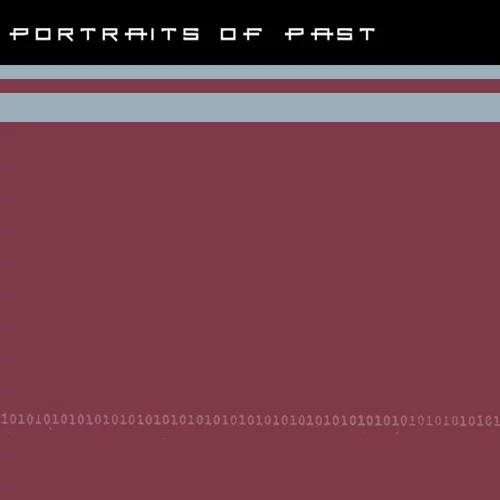
Release Information:
1996
Ebullition Records
San Francisco, CA (SoCal)
Runtime: 36:44
Tracks: 7
Band Members:
Robert Pettersen (Vocals)
Rex Shelverton (Guitar, Vocals)
Jonah Buffa (Guitar)
Jeremy Bringetto (Bass)
Matthew Bajda (Drums)
Genres, Influences and Characteristics:
Screamo, Post-Rock, Post-Hardcore, Melodic, Dynamic, Atmospheric, Melancholic, Frantic
Musical Analysis:
From the opening salvo, a dark, barring bassline that transitions into an all-out assault of dissonance, chaos and an emotionally intense vocal delivery, you can tell Portraits of Past meant business. As the lightning-fast intro song fizzles out as quickly as it came, the chunky, melodic guitar of Bang Yer Head begins and opens up the universe to the listener. Lengthy, dynamic tracks filled with melody, atmosphere and passion comprise the bulk of this album while Emoviolence-esque outbursts give the music vigor and boisterousness. Expect monumental peaks and crescendos against dark, frenetic valleys as you listen through this behemoth. Although definitely influenced by Post-Hardcore, this album was a huge sonic step forward toward carving Screamo’s unique identity.
Historical Analysis:
Although the term “Screamo” wasn't even in use yet, these Bay Area legends managed to craft the first truly great, epic Screamo album on 01010101. The band wore their influences on their sleeves with punishing, angular Post-Hardcore riffs, masterful use of Emo quiet-loud dynamics and elongated, atmospheric passages of serene Post-Rock instrumental goodness - the sum of which was truly as groundbreaking and absolutely captivating for 1996 as it Is today.
Although Portraits of Past wasn't launched directly into underground superstardom from this record, countless bands would emulate and iterate upon the formula. Long, dynamic, brutal songs with tons of Post-Rock worship would be Screamo's defining sound in the early 2000s, arguably the genre's creative apex. For this album's timelessness, legacy and impact upon the genre, 01010101 rightfully deserves to be the very first Screamo Hall of Fame inductee!
Lyrical Analysis:
Portraits of Past’s lyrics demonstrate Screamo’s penchant for emotional truth over narrative clarity. The mantra-like repetition of certain phrases emphasizes the gravity of their feelings and message, even if the message is more ambiguous and less focused. Like many of the greats that shaped this genre, Portraits of Past marries personal and internal pain with the outside social and political forces to speak on frustrations with individual and collective failures, self-loathing in a system designed for just that, the futility against violence and even losing your own ideals. The personal struggle is created by society’s evils and vice-versa. The pain isn’t an issue to be solved but a powerful, cathartic emotion to experience and share.