

Hello, everyone! Welcome to the hub for my Deep Dive project Establishing Screamo Canon: From Chaos to Catharsis! 2025 was the Year of Screamo and, while I didn’t quite get to my goal of covering Screamo from the 90s through 2015, getting through the 90s wound up being a Herculean feat in and of itself. I’m quite proud of this accomplishment! The series will continue indefinitely as I have time for it, but getting it up onto the website was very important. Please refer to the Overview post for more information about the series and the various sub-series within.
Below you can sort by subseries or via a tag cloud, weighing the most commonly-used tags such as artists, release years, record labels, locations, genres and even descriptors! Please keep an eye on this as the series continues! Alternatively, you may use the below search function to find anything you might be interested in reading about within the series. Please note that when you click one of the following links, you will have to scroll past the welcome and navigation sections to access the content.

- Emoviolence
- Dynamic
- Dissonant
- Chaotic
- Frantic
- Melodic
- 1999
- Post-Hardcore
- Raw
- 1997
- Hardcore Punk
- 1998
- Noisy
- 1996
- Emocore
- Florida
- SoCal
- Lofi
- Noise Rock
- Atmospheric
- Metalcore
- Post-Rock
- Midwest Emo
- Energetic
- Grindcore
- Canada
- Complex
- Massachusetts
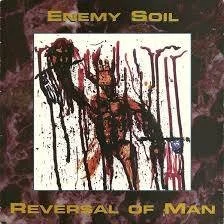
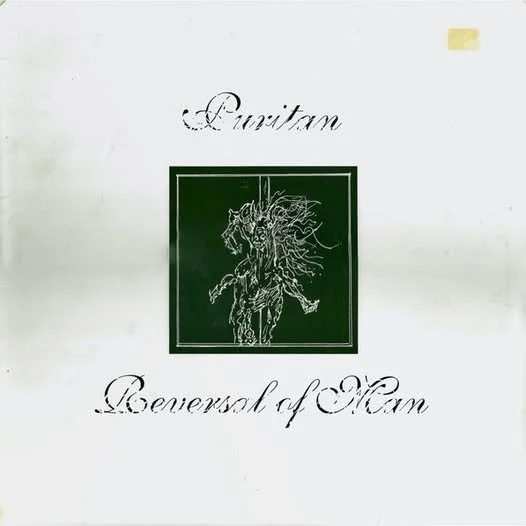
- Reversal of Man
- Independent
- NorCal
- 1994
- Ebullition Records
- Orchid
- Manic
- France
- New York
- New Jersey
- Aggressive
- Gravity Records
- Sass
- Mountain Records
- Pennsylvania
- Dark
- Combatwoundedveteran
- Intense
- Witching Hour Records
- The Great American Steak Religion
- Dense
- Cold
- Metallic
- Technical
- Virginia
- Eclectic
- South Carolina
- 1993
- 1992
- Saetia
- Playful
- Three One G Records
- Frenetic
- Math Rock
- Powerviolence
- Indiana
- Driving
- You and I
- Puritan
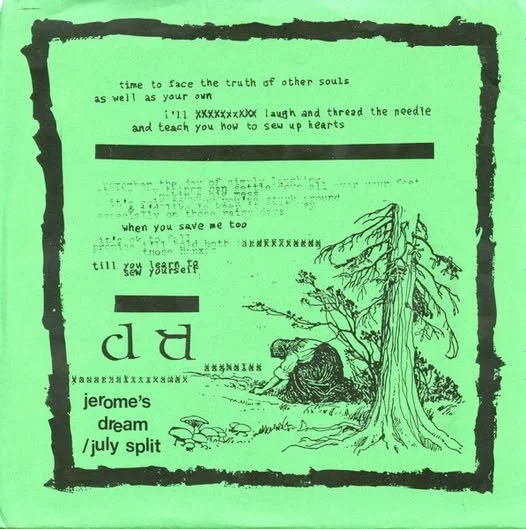
Jeromes Dream / July - Connective Tissue 1999
Jeromes Dream
(West Haven, CT)
Jeff Smith (Bass, Vocals)
Nick Antonopulous (Guitar)
Erik Ratensperger (Drums)
July
(Apex, NC)
Gabe Johnson
Herb Harris
Basic Info:
Release Date: 1999
Label: Witching Hour Records
Runtime: 10:13
-Jeromes Dream: 3:50
-July: 6:23
Tracks: 2
-Jeromes Dream: 1
-July: 1
At a Glance:
Emoviolence, Post-Rock, Midwest Emo, Slowcore, Atmospheric
Points on the Timeline:
Jeromes Dream had just released their first split with Amalgamation in December of 1998, so this was still one of the earliest tracks they ever released. They would stick around for a couple of years before disbanding in the early 00s, whereby they’d release their signature material. Meanwhile, July is a duo with this one song and possibly a demo somewhere in the wild. They’re quite obscure.
Shapes in the Sound:
Jeromes’ side opens with one of their typical ferocious Emoviolence intros with utter insanity on the guitar and drums. Jeff Smith’s signature destructive vocals complete the package, though there’s also a bit of a second half to this one; the back end of this track is mostly atmospheric noise with dynamic aggression. Meanwhile, July’s track is quiet, blessed with just a guitar, some keyboard and the human voice. These nearly six-and-a-half minutes of Post-Rock goodness with Emo-style vocals are beautiful, but contrast Jeromes’ side completely.
Threads in the Tapestry:
How this obscure band linked with Jeromes Dream with almost zero music to their credit and living 600 miles apart is truly a mystery, but the world of Emo should be thankful for this contribution. While obviously not Jeromes’ greatest or most memorable work, it does feature a repetitive chord progression that the end that would become a hallmark of their sound for years to come.
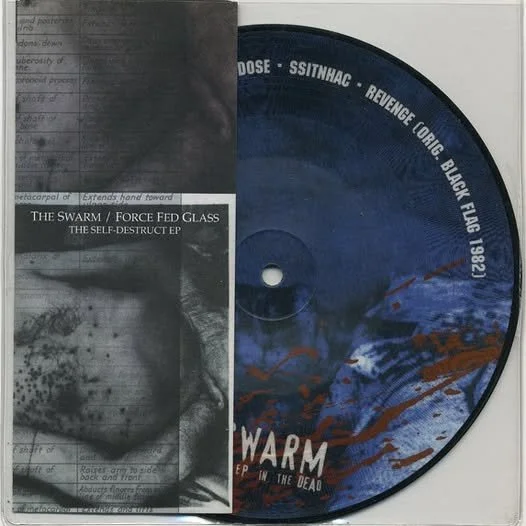
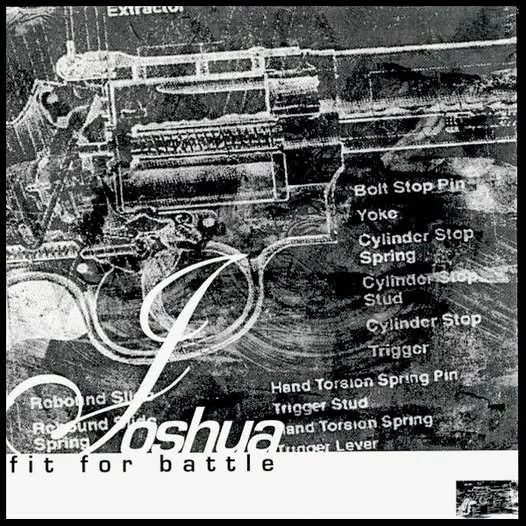
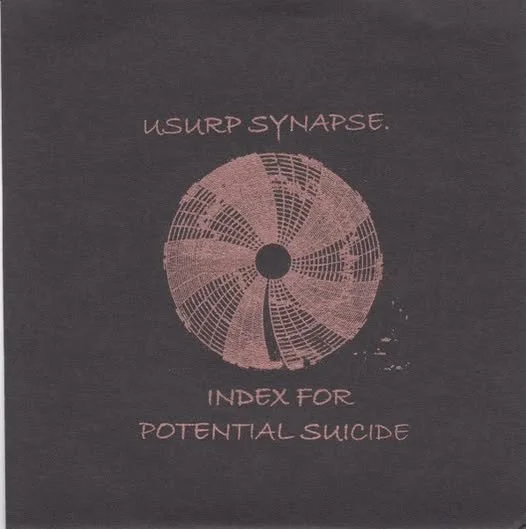

Kulara - 5 Pieces Songs | Screamo HAll of Fame Class of 1999 Nominee

Release Information:
1999
Never Shown Face Records
Tokyo, Japan
Runtime: 24:56
Tracks: 5
Band Members:
Murase (Vocals)
Nakagawa (Guitar)
Tanaka (Guitar)
Takaya (Bass)
Kimura (Drums)
At a Glance:
Screamo, Prog, Math Rock, Post-Rock, Dissonant, Dynamic, Complex, Experimental, Noisy, Atmospheric, Dense
Musical Analysis:
The best word I can use to describe this sound is “disorienting,” as the musical complexity, masterclass dissonance and volume dynamics are all wrapped in this unique Progressive aura of experimentation. Slow, disharmonious sections composed from a tense atmosphere and a chilling melody will jarringly and frantically switch to a chaotic section of screaming and uncontrolled musical mayhem, a regular occurrence. It’s quite difficult to transcribe the sound of this beast into English, so I’m just going to recommend you listen for yourself and hear the magic unfold before your ears.
Historical Analysis:
Following Envy’s 1998 LP, Japanese Screamo began to experiment and refine itself, and no artist in the country represented that better than Kulara. After a few middling Screamo EPs, this 1999 release defined them as true innovators in Screamo with this Prog-adjacent masterpiece. The experimentation on here is unlike anything heard before OR after, evidenced by how difficult it was to conceptualize the sound in words. Although this particular release didn’t set the world on fire, it remains one of the crowning achievements of early Japanese Screamo and deserves to at least be mentioned in the same breath as other greats from the 90s.
Lyrical Analysis:
*Please note any lyrical analysis on my end may lack cultural nuance and accuracy in the translation.*
The EP takes you on a remarkable lyrical journey through anxiety and isolation, the violence of silence, losing sanity, the machinization of humanity and the illusion of autonomy. There’s a bitter sense of helplessness as language fails us and cycles of violence trap us. However, perhaps being insane in an insane society is the only true escape. Maybe, to break these miserable patterns chosen for our lives, we must shatter the patterns and destroy the self. Appropriately, this is a bit of Eastern wisdom after 25 minutes of catharsis.
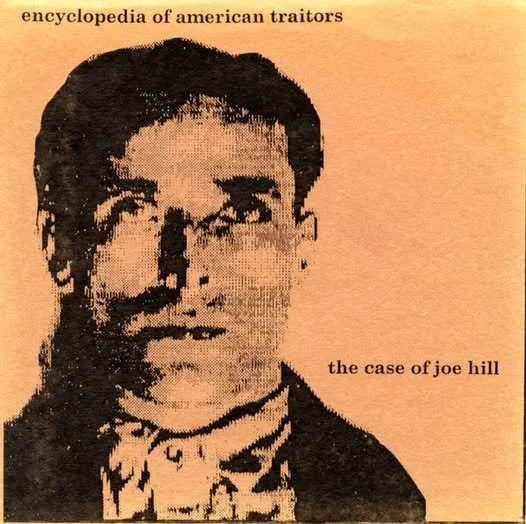
Encyclopedia of American Traitors / Kwisatz Haderach - The Case of Joe Hill | Connective Tissue 1998
Encyclopedia of American Traitors
(Millersville, PA)
Andrew Martin
Keith Miller
Ryan Suffort
Steve " Yuletide" Sakasitz
Zachary Martin
Kwisatz Haderach
(Arlington, VA)
Geoffrey Todd Culbertson
Lucia Forte
Sam Gutterman
Todd Hoffman
Todd Neece
Yannis Stephanopoulos
Basic Info:
Release Date: 1998
Label: N/A
Runtime: 11:03
-Encyclopedia of American Traitors: 4:55
-Kwisatz Haderach: 6:08
Tracks: 4
-Encyclopedia of American Traitors: 2
-Kwisatz Haderach: 2
At a Glance:
Emoviolence, Frenetic, Atmospheric, Dynamic
Points on the Timeline:
Both of these small-time Emoviolence bands existed solely in the late 90s. EOAT was two splits and one EP deep into their career in 1998, with one more EP and a discography comp in their future. Kwisatz Haderach would only release an EP this year outside of this Split before calling it quits.
Shapes in the Sound:
Both of these bands execute dynamic Emoviolence with long, atmospheric buildups with some gnarly screams. EOAT tends to have more of a dichotomy between melody and dissonance, sounding somewhat like Saetia performing Emoviolence at times, while Kwisatz is a bit more “Hardcore,” for lack of a better term. Regardless, both of these artists took great care to ensure the hectic sections were balanced out.
Threads in the Tapestry:
This quick East Coast connection wasn’t well known, but both bands would flesh out Emoviolence in their respective regions. Though quite small time, members would go on to flourish in other Hardcore bands like Yaphet Kotto, Tiny Hawks and Virgina Black Lung.
In/Humanity - The History Behind the Mystory: Music to Kill Yourself By | SCreamo Hall of Fame Class of 1997 Nominee
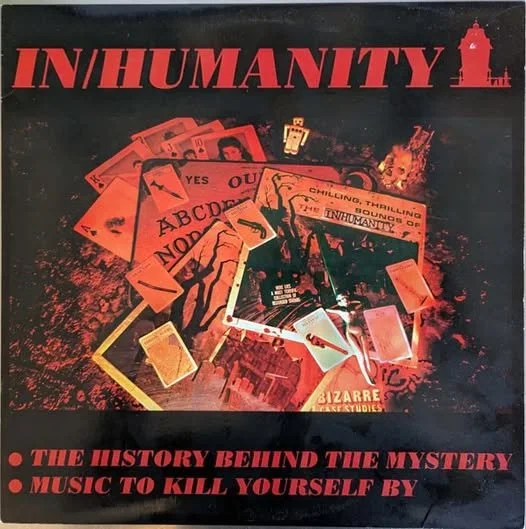
Release Information:
1997
Mountain Records
Columbia, SC (Southeast)
Runtime: 38:45
Tracks: 13
Band Members:
Chris Bickel (Vocals)
Paul Swanson (Guitar)
Will Zaledeski (Bass)
Ben Roth (Drums)
Genres, Influences and Characteristics:
Emoviolence, Chaotic, Atmospheric, Frantic, Abstract, Dissonant
Musical Analysis:
In/Humanity once again innovatively iterate on the Emoviolence formula, doubling down on the musical chaos, freneticism and experimentation. The album begins with longer-than-average songs for this band, some of which are over three minutes in length. They showcase the dichotomous quiet-loud dynamics In/Humanity helped establish in years prior but with a certain atmosphere and formlessness not found anywhere else in their discography. Almost half of the album is part of a 15-minute song slapped right in the middle, muddying the shapeliness of this album with the band more-or-less fooling around.
Historical Analysis
With their second and final LP, In/Humanity firmly establishes themselves as one of the most prolific early Emoviolence outfits out there. Each LP and EP shapes the blooming genre in its own way. The History Behind the Mystery approaches the genre with an experimental eye, using abstract song structures, atmosphere and even more carelessness than ever before. Although this was an important album in the formation of Emoviolence, the statement made is more relevant to In/Humanity as a band than to the genre as a whole, hence its nominee status.
Lyrical Analysis:
*Please note that due to the obscurity of some of these tracks, I wasn’t able to find lyrics for 3-4 songs. Regardless, because there’s so much other lyrical material to analyze, I’ll be focusing on those. If I can dig up more lyrics, I’ll consider giving this a quick redo.*
Reaching absurd levels of satire, crudeness and general carelessness, In/Humanity’s lyrics are nonetheless biting and aimed at society’s many, MANY problems. From questioning the glorification of authority, the blindness of justice and the performative rebellion of Punk culture to hurting the ones you love, dehumanization and the futility of artistic expression. In true late 90s Screamo fashion, In/Humanity’s lyrics express both personal anguish and dissatisfaction with the world around them.
Portraits of Past - 01010101 | Screamo Hall of Fame Class of 1996 Inductee
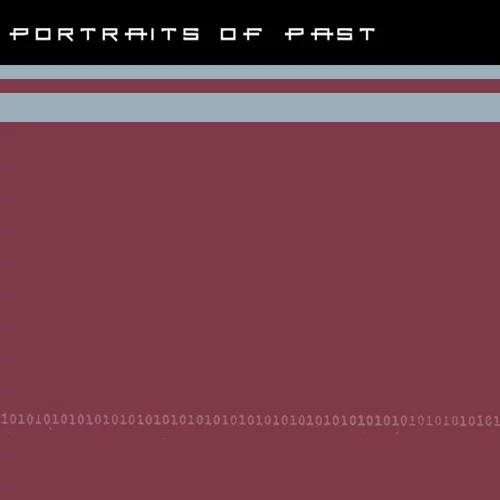
Release Information:
1996
Ebullition Records
San Francisco, CA (SoCal)
Runtime: 36:44
Tracks: 7
Band Members:
Robert Pettersen (Vocals)
Rex Shelverton (Guitar, Vocals)
Jonah Buffa (Guitar)
Jeremy Bringetto (Bass)
Matthew Bajda (Drums)
Genres, Influences and Characteristics:
Screamo, Post-Rock, Post-Hardcore, Melodic, Dynamic, Atmospheric, Melancholic, Frantic
Musical Analysis:
From the opening salvo, a dark, barring bassline that transitions into an all-out assault of dissonance, chaos and an emotionally intense vocal delivery, you can tell Portraits of Past meant business. As the lightning-fast intro song fizzles out as quickly as it came, the chunky, melodic guitar of Bang Yer Head begins and opens up the universe to the listener. Lengthy, dynamic tracks filled with melody, atmosphere and passion comprise the bulk of this album while Emoviolence-esque outbursts give the music vigor and boisterousness. Expect monumental peaks and crescendos against dark, frenetic valleys as you listen through this behemoth. Although definitely influenced by Post-Hardcore, this album was a huge sonic step forward toward carving Screamo’s unique identity.
Historical Analysis:
Although the term “Screamo” wasn't even in use yet, these Bay Area legends managed to craft the first truly great, epic Screamo album on 01010101. The band wore their influences on their sleeves with punishing, angular Post-Hardcore riffs, masterful use of Emo quiet-loud dynamics and elongated, atmospheric passages of serene Post-Rock instrumental goodness - the sum of which was truly as groundbreaking and absolutely captivating for 1996 as it Is today.
Although Portraits of Past wasn't launched directly into underground superstardom from this record, countless bands would emulate and iterate upon the formula. Long, dynamic, brutal songs with tons of Post-Rock worship would be Screamo's defining sound in the early 2000s, arguably the genre's creative apex. For this album's timelessness, legacy and impact upon the genre, 01010101 rightfully deserves to be the very first Screamo Hall of Fame inductee!
Lyrical Analysis:
Portraits of Past’s lyrics demonstrate Screamo’s penchant for emotional truth over narrative clarity. The mantra-like repetition of certain phrases emphasizes the gravity of their feelings and message, even if the message is more ambiguous and less focused. Like many of the greats that shaped this genre, Portraits of Past marries personal and internal pain with the outside social and political forces to speak on frustrations with individual and collective failures, self-loathing in a system designed for just that, the futility against violence and even losing your own ideals. The personal struggle is created by society’s evils and vice-versa. The pain isn’t an issue to be solved but a powerful, cathartic emotion to experience and share.
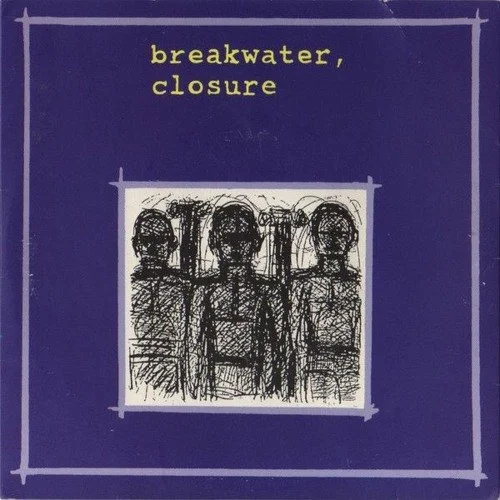
Breakwater - Demo | The Shape of Screamo to Come

Release Information:
1995
Independent
Victoria, BC, Canada
Runtime: 25:12
Tracks: 5
Band Members:
Jode Shortreed
Steve Simard
Dave Truscott
Dave Wenger
Genres, Influences and Characteristics:
Screamo, Post-Hardcore, Post-Rock, Midwest Emo, Lofi, Dynamic, Atmospheric, Cold
Musical Analysis:
Despite its less-than-ideal recording conditions, Breakwater’s Demo showcases a potent Punk cocktail of Screamo, Post-Hardcore, Post-Rock and Midwest Emo, many of these genres in their infancy. Extended instrumental passages of twinkly arpeggios comprise the bulk of the softer, quieter sections, acting as a depressive glue for the fiercer, louder moments. The interplay between these intensities is as suffocating and disorienting as it is beautiful, and with each song averaging just over five minutes, there’s lots of room for each track to breathe and reach its destination naturally.
Historical Analysis:
Straddling the line between burgeoning genres like Screamo and Midwest Emo, their eclectic mix is fairly common now, but in 1995, this was revolutionary. If anything, this release showcases the shared history of all Emo subgenres and their connection to Post-Hardcore and Hardcore Punk. In that sense, this obscure Canadian collection of songs is a revolutionary album, despite being lesser-known than their Five / Seven single (which are both on this demo). Introducing lengthy Post-Rock elements was also quite novel, though it would become genre-defining in just a few short years.
Lyrical Analysis:
Breakwater's straightforward and frank lyrics may not seem all that special at first glance, but spouting such introspective rhetoric wasn't hugely common, at least without some social or political underpinnings. That isn’t to say the songs are apolitical, rather they focus on the personal side of generational hardships, helplessness, corrosive love and even the sting of truth. Their directness and sincerity make the lyrics digestible for almost anyone who listens.
One Eyed God Prophecy - One Eyed God Prophecy | The Shape of Screamo to Come
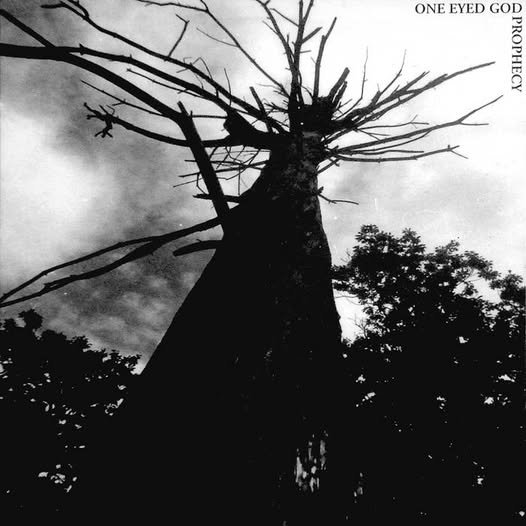
Release Information:
1995
The Great American Steak Religion Records
Sherbrooke, QC, Canada
Runtime: 33:00
Tracks: 7
Band Members:
Dom Poulin (Vocals)
Seb Philbert (Guitar)
Ugo Desgreniers (Guitar)
Alex Bibeau (Bass)
J-P Dionne (Drums)
Genres, Influences and Characteristics:
Screamo, Sludge Metal, Noise Rock, Dark, Atmospheric, Dense, Crusty
Musical Analysis:
This album sounds EVIL. There’s a sinister air to the songs on this record, exhibited perfectly by the intimidating intro song. However, judging this album based on the heavy, dark first track would belie the dynamism and atmosphere that the album takes time to establish. The fuzzy guitar tones make them sound insurmountable during moments of musical mayhem, though the clean twinkly sections that plague this release are as serene as they come. The drums are consistent and are played exactly as they’re needed in the moment, whether that’s burning the house down with Emoviolence-esque chaos or building atmosphere with spaced-out cymbals. The harrowing vocal performance is definitely high-register, though it is fairly low in the mix.
Historical Analysis:
Despite only being a cult favorite in Screamo, the influence this release has had cannot be understated. Few Screamo albums before this emphasized cultivating an atmospheric sound rather than aiming strictly for brutality and heaviness. Additionally, OEGP sneaked high-class musicianship into the equation, adding to the chaos and technicality that would soon become commonplace. Although Sludge and Crust influences in Screamo were never omnipotent, enough artists from the 90s til now owe their livelihood to what this album accomplished.
Lyrical Analysis:
Despite the obscurity of the screamed lyrics, the emotional veracity and intensity is never lost by the vocal performance or the words themselves. One Eyed God Prophecy blends social critique, existential dread and emotional vulnerability into an explosive cocktail of poetry and prose. The singer desperately searches for authenticity in a world of greed and falsehoods, though he invokes personal responsibility to solve the problem. He criticizes Capitalism for destroying the ecosystem, but also for destroying local communities and alienating us. He even speaks about the desperate dance of hope and despair, romantic longing and generational tension, just to name a few of the many thematic subjects brought forth. This varied commentary on the human condition and the sociopolitical climate behind it would become a staple of Screamo in the 90s into the early 00s.
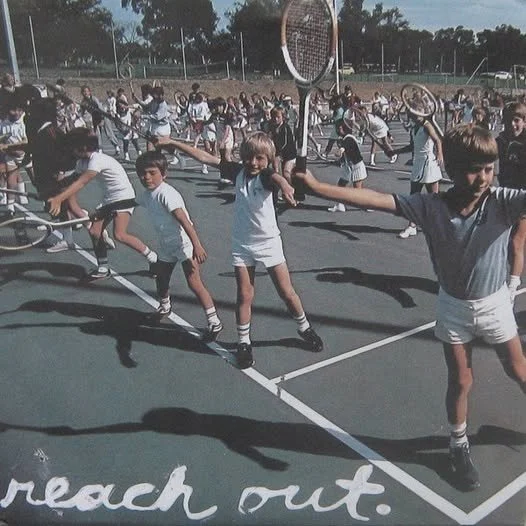
Reach Out - Reach Out | The Shape of Screamo to Come
Release Information:
1994
The Great American Steak Religion Records
NorCal
Runtime: 12:04
Tracks: 4
Band Members:
Philip Scott (Vocals)
Mike Martinez (Guitar)
Mikel Garmendia (Guitar)
Stacey Iguchj (Bass)
Bob Beck (Drums)
Genres, Influences and Characteristics:
Screamo, Emocore, Noise Rock, Gloomy, Melodic, Atmospheric, Lofi
Musical Analysis:
Unlike the majority of the Screamo and Proto-Screamo in existence to this point, Reach Out’s s/t is the least beholden to the traditions and tropes of Hardcore Punk. Instead, the NorCal quintet utilizes time-tested Emocore values and cranks up the tunefulness with grandiose, sweeping melodies before adding atmospheric elements of raw, aggressive and dense Screamo. Topping off this aromatic concoction is basement-level recording and production,adding to the bulk of this forward-thinking release, and harrowing, gnarly screamed vocals.
Historical Analysis:
Little information is available on these Screamo trailblazers, save that they had another Demo with significantly more songs that seem lost to time. Although this EP remains a curious obscurity in the grand scheme of Screamo Canon, this band took innovative leaps forward that would become genre standard in the years to come, such as a brutal focus on melody and atmosphere. This release also further legitimizes California as the King of early Screamo.
Lyrical Analysis:
*Note that because this is an old, DIY and relatively minor release in the grand scheme of Emo and Punk history, I cannot locate lyrics for any of these songs. If more lyrics can be dug out, I will reevaluate the lyrical analysis.*