

Hello, everyone! Welcome to the hub for my Deep Dive project Establishing Screamo Canon: From Chaos to Catharsis! 2025 was the Year of Screamo and, while I didn’t quite get to my goal of covering Screamo from the 90s through 2015, getting through the 90s wound up being a Herculean feat in and of itself. I’m quite proud of this accomplishment! The series will continue indefinitely as I have time for it, but getting it up onto the website was very important. Please refer to the Overview post for more information about the series and the various sub-series within.
Below you can sort by subseries or via a tag cloud, weighing the most commonly-used tags such as artists, release years, record labels, locations, genres and even descriptors! Please keep an eye on this as the series continues! Alternatively, you may use the below search function to find anything you might be interested in reading about within the series. Please note that when you click one of the following links, you will have to scroll past the welcome and navigation sections to access the content.

- Emoviolence
- Dynamic
- Dissonant
- Chaotic
- Frantic
- Melodic
- 1999
- Post-Hardcore
- Raw
- 1997
- Hardcore Punk
- 1998
- Noisy
- 1996
- Emocore
- Florida
- SoCal
- Lofi
- Noise Rock
- Atmospheric
- Metalcore
- Post-Rock
- Midwest Emo
- Energetic
- Grindcore
- Canada
- Complex
- Massachusetts
- Reversal of Man
- Independent
- NorCal
- 1994
- Ebullition Records
- Orchid
- Manic
- France
- New York
- New Jersey
- Aggressive
- Gravity Records
- Sass
- Mountain Records
- Pennsylvania
- Dark
- Combatwoundedveteran
- Intense
- Witching Hour Records
- The Great American Steak Religion
- Dense
- Cold
- Metallic
- Technical
- Virginia
- Eclectic
- South Carolina
- 1993
- 1992
- Saetia
- Playful
- Three One G Records
- Frenetic
- Math Rock
- Powerviolence
- Indiana
- Driving
- You and I
- Puritan
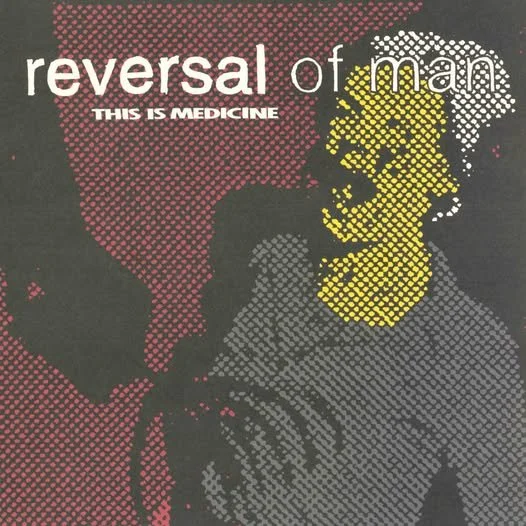
Reversal of Man - This Is Medicine | Screamo Hall of Fame Class of 1999 Nominee
Release Information:
8/9/1999
Ebullition Records
Tampa. FL (Southeast)
Runtime: 18:41
Tracks: 16
Band Members:
Matt Coplon (Vocals)
Dan Radde (Guitar, Vocals)
Jason Crittenden (Guitar)
Jeff Howe (Bass, Vocals)
John Wiley (Drums)
At a Glance:
Emoviolence, Raw, Dark, Dissonant, Frenetic
Musical Analysis:
This record encapsulates suffering unlike anything before it, utilizing dynamic aggression, dissonant guitar and boisterous drumming. Most songs have only two gears: quieter, intense and dissonant sections that build the music up, and the most frantic and dissonant bursts of anger and chaos. Wrapping this gnarly package up are sinister screamed vocals, headed by Matt Coplon.
The entire listen breezes through in large part due to this album's impeccable sense of flow and kineticism; each track emanates with danger in equal measure to the energy put in, and, combined with the songs seamlessly bridging together, gives a small measure of accessibility to an otherwise unholy package.
Historical Analysis:
This release solidified Reversal of Man as one of the great Emoviolence artists of the 90s. Its influence on the local scene and beyond, and the extraordinarily high musical standards they set, are still revered to this day.
This EP also demonstrates a different aspect of the genre than fellow Tampanians Combatwoundedveteran, eschewing Grindcore in favor of dissonance and dynamism. While you can argue which is the better album, This Is Medicine seems to have slid more into obscurity, possibly a cult classic or hidden gem. By my own admittedly arbitrary standards, I have to leave this one out of the Hall and it makes me sad.
Lyrical Analysis:
Matt Coplon’s brevity and directness are at the core of his lyricism, aiming at political and social injustices with decided rage and worldly allusions and references. The primary antagonist of this album is the corrosive power of fascism and capitalism. We see how, in the calculus of power, human life is disposable, war is theft, justice is selective, morality justifies violence, and technology tightens like a noose around society’s neck. Personal issues like guilt over failing relationships and the grief of untimely death rear their ugly heads in this mess as well, while other systems and communities are thrown strays: the news is indoctrination, not information; the Punk scene has fallen to branding over rebellion; the absence of personal connection powers the deadly machine of consumerism. These are not the most original lyrical topics in this scene, but they’re executed succinctly and in line with the amazing instrumentals.
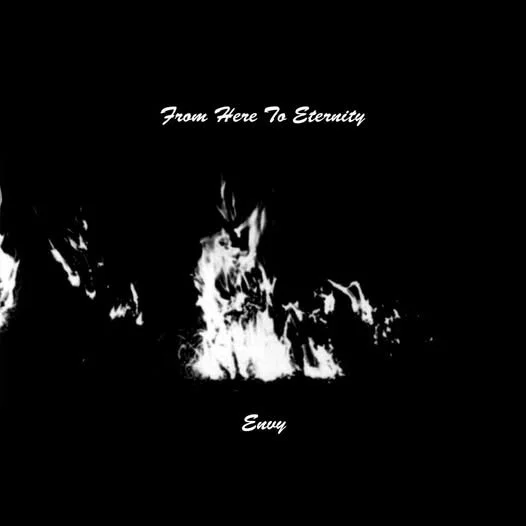
Envy - From Here to Eternity | Screamo Hall of Fame Class of 1998 Nominee
Release Information:
8/11/1998
HG Fact Records
Tokyo, Japan
Runtime: 33:54
Tracks: 11
Band Members:
Tetsuya Fukagawa (Vocals)
Masahiro Tobita (Guitar)
Nobukata Kawai (Guitar)
Manabu Nakagawa (Bass)
Dairoku Seki (Drums)
Genres, Influences and Characteristics:
Screamo, Melodic, Energetic, Dynamic, Raw
Musical Analysis:
On this LP, Envy crafted gorgeous, pure, cathartic Screamo, just as you would expect. In particular, their dense, heavy guitars would overwhelm if not threaded with clean, standalone guitar arpeggios, tasteful melodic lead lines, dynamic song structures and endless kineticism. This all combines with Fukagawa's intense vocal performance to produce astonishing results.
Historical Analysis:
Simply put, this album is integral to the formation of Japanese Screamo. Although Envy's primary influence on the genre seems to be the integration of Post-Rock, that innovation in and of itself was spurred from Envy's injection of melody into heavy Screamo.
Prior to this album, Envy had undergone numerous lineup and stylistic changes since their 1992 formation, but they would have about two decades with this lineup, wherein all of their legendary material would be released. Special to Japan, this record serves as a harbinger of what's to come more than a standalone entry into the Hall.
Lyrical Analysis:
*Note that because this is an old release in the grand scheme of Emo and Screamo history, I cannot locate lyrics for any of these songs. If more lyrics can be dug out, I will reevaluate the lyrical analysis. Please note any lyrical analysis on my end will lack cultural nuance and accuracy in the translation.*
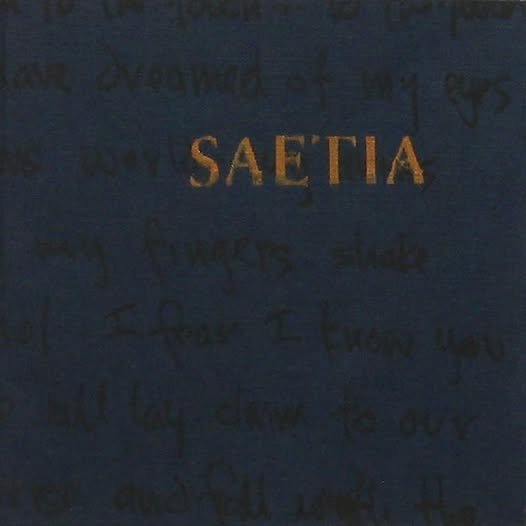
Saetia - Saetia | Screamo Hall of Fame Class of 1998 Inductee
Release Information:
1998
Mountain Records
New York, NY
Runtime: 28:45
Tracks: 9
Band Members:
Billy Werner - Vocals
Adam Marino - Guitar
Jaime Behar - Guitar
Colin Bartoldus - Bass
Gregory Drudy - Drums
Genres, Influences and Characteristics:
Screamo, Midwest Emo, Math Rock, Complex, Dynamic, Melodic, Raw, Aggressive
Musical Analysis:
Coming a year off the heels of their revered demo, Saetia’s 1998 s/t LP is a revelation of Screamo music, taking their formula and supercharging it. The dynamic song forms return with more intensity than ever, balancing perfectly with the softer melodic parts of the album. Introduced in this release are strong Math Rock influences, giving their songs more unpredictability, varying odd time signatures, rhythmic complexity and an overall higher level of technicality than ever. This intricacy adds even more dynamism to their songs, emphasizing the poignant melodies and depravity more than before.
Historical Analysis:
The opening salvo of their discography was a monumental step forward for Screamo, but this album is perhaps one of the most influential works in the genre's history. This bold statement basically defined what Screamo would sound like at its peak and turned the somewhat silly subgenre into one capable of high art. The final shackles of Hardcore Punk and Post-Hardcore that held the genre together early on have evaporated and Screamo genre conventions were truly their own.
This album is the blueprint for which countless Screamo bands took inspiration, even if we’d have to work through a few more years of Emoviolence prominence before Saetia’s influence would be the defining sound. Besides this legendary status, the music itself is exceptional and would likely qualify for the Screamo Hall of Fame even without its legacy.
Lyrical Analysis:
Saetia fully embraces nihilism on this s/t. From just the title of the first song, the band reflects on how language is a lie we use to deceive ourselves, the destructive power of words and the failure of human systems. It sure seems like personal and collective misery is at the forefront of their lyrical themes, but their nihilistic worldview cuts both ways: sure, words are a lie and they tend to destroy relationships, but they also compose art - and art is a divine struggle. Yes, relationships can fail and you can subsequently fall, but there is power in rising above. Of course, the body exists as a tool of self-hatred and a reminder of our temporary mortal condition, but there is freedom in the emptiness. These are among the most poetic and artistic lyrics in the entire genre to this point.
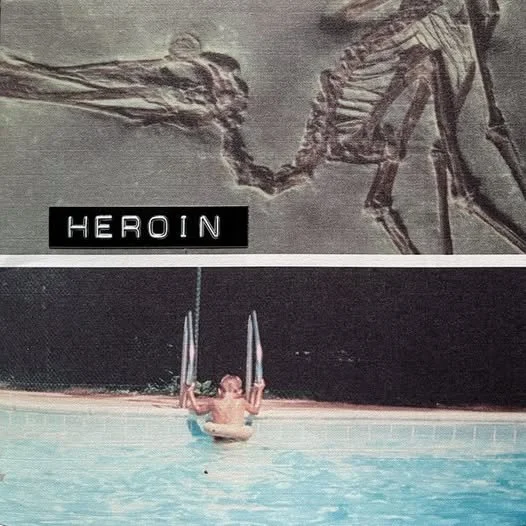
Heroin - Heroin | Holy Grails 1997
The Artifact:
1/14/1997
Gravity Records
Runtime: 47:04
Tracks: 19
Artifact Characteristics:
Post-Hardcore, Proto-Screamo, Noise Rock, Hardcore Punk, Emocore, Raw, Intense
Artifact Archeologists
Matt Anderson (Vocals)
Scott Bartoloni (Guitar)
Ron Johnson (Bass)
Aaron Montaigne (Drums)
Artifact Contents:
Every track from All About Heroin
Every track from their 1992 s/t
Every track from their 1993 s/t
Three original tracks
Artifact Echoes:
Legends of early 90s Proto-Screamo and one of the original bands to explore this sonic space, Heroin took the power and fury of Hardcore, illuminated it with the melody and dynamism of Emocore and added in their own Post-Hardcore fixings to craft a noisy and raw discography. The singer’s shouted screams inject the music with even more immediacy and emotion, the guitarist didorients with breakneck chord progressions and heaps of noisy dissonance; the bass packs with it a sense of danger and the drumming is frantic and chaotic, effectively putting the formula in a blender. These pieces came together to from the early blueprints of the genre.
Artifact Legacy:
Listening through this compilation album showcases the band's evolution over the two years they were active, tracking their increased use of melody, dissonance and intensity. In addition to pioneering this genre and shaking up the early 90s Hardcore scene, Heroin's direct influences reached so many early Screamo bands, especially to the influential and genre-defining Gravity Records rostermates. Their drummer would form Antioch Arrow shortly after this band broke up, adding even more chaos and unease to the developing genre. However, that experimental edge was first put to use in Heroin.
Artifact Value:
Gravity Records released this comp in 1997 with several versions, allegedly including a rainbow pressing. All four versions I could find seem to be relatively inexpensive, with the price likely lowering a few years ago after Heroin released a new compilation album.
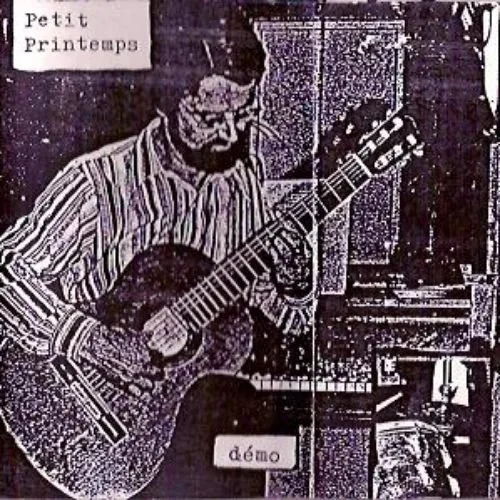
Petit Printemps - Démo | Screamo Hall of Fame Class of 1997 Nominee
Release Information:
1997
Moe’s Records
Poitiers, Nouvelle-Aquitaine, France
Runtime: 20:21
Tracks: 7
Band Members:
Vincent Coste (Vocals)
Mikaël Thévenot (Guitar)
Greg Pyvka (Bass)
Baptiste Brousseau (Drums)
Genres, Influences and Characteristics:
Screamo, Lofi, Raw, Melodic, Dark, Cold
Musical Analysis:
Ordinarily, when I describe early Screamo as Lofi, I mean Screamo recorded and produced at basement or completely DIY level, but otherwise sounds like your typical Screamo fare. This is usually out of necessity to reduce costs, and it might be in this case as well, but bands didn't actually utilize these limitations as conscious songwriting tools until Petit Printemps. The band uses lots of twinkles, subdued drumming and spoken word to establish a soft baseline from which to dial up the intensity. Because of this, these dynamics are highlighted by the hazy production rather than snuffed out.
Historical Analysis:
Although this record wouldn't go on to define Lofi Screamo or directly influence that scene, but it is very impressive to have executed the idea more than two decades before it would become a common practice. Breaking this demo down reveals how connected they were to the French Screamo sound of this time - raw, melodic and dynamic. However, in the tapestry of Screamo Canon, this is more of a rarity than a true legend.
Lyrical Analysis:
*Note that because this is an old, DIY and relatively minor release in the grand scheme of Emo and Screamo history, I cannot locate lyrics for any of these songs. If more lyrics can be dug out, I will reevaluate the lyrical analysis. Please note any lyrical analysis on my end will lack cultural nuance and accuracy in the translation.*
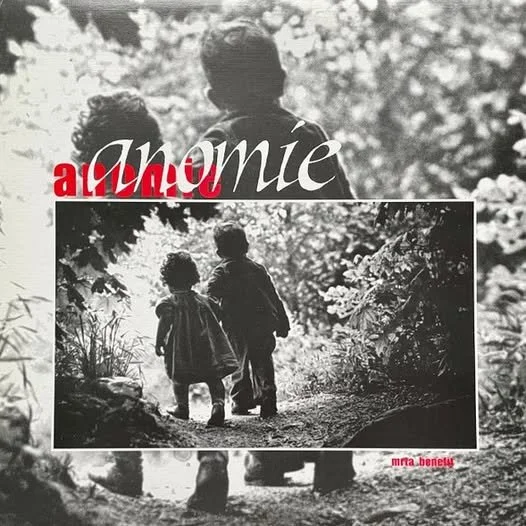
Anomie - Anomie | Screamo HAll of FAme Class of 1997 Nominee
Release Information:
1997
Anima Records
Orléans, Centre-Val de Loire, France
Runtime: 25:46
Tracks: 8
Band Members:
Kathleen Simonneau (Vocals)
Johnny Vellaine (Guitar)
Gilles Auvinet (Bass, Vocals)
Rémi Chaumet (Drums)
Genres, Influences and Characteristics:
Screamo, Post-Hardcore, Metalcore, Melodic, Energetic, Raw
Musical Analysis:
Anomie’s sole LP features driving Screamo music, tons of melodic interplay, chugging riffs and an emotional blend of yelling and screaming from the masculine / feminine dual vocals. Seriously, the energy never seems to die down on this one; even when they lower the intensity, the songs tend to keep a brisk and spirited pace. The vocals of Kathleen are particularly harrowing and emotionally resonant and represent an early example of women tearing it up in Hardcore and Screamo. The band experimented by adding elements of Metalcore, acoustic guitars and even whipping up a weird but surprisingly well-fitting electronic interlude.
Historical Analysis:
Simply put, this album is premier 90s French Screamo. To this point, France was a stronghold for the burgeoning genre, and, although this region's peak was still many years away, there was a prolific output from a variety of bands. Among those releases is Anomie's s/t album, which married energetic Hardcore with gorgeous melody in a way no one in Europe had quite done. Despite this, this release just misses HoF contention due to the band’s relative obscurity in the face of a scene poised to blow up without them.
Lyrical Analysis:
*Please note any lyrical analysis on my end may lack cultural nuance and accuracy in the translation.*
In true French fashion, Anomie’s lyrics lean heavily into Leftist ethos; topics for these lyrics include abortion rights and body shaming, though the political discourse is spruced up by social commentary. The cost of detached modern relationships, the perils of conformity and rising above indifference. Utilizing both prose and poetry in their lyrics, Anomie posits that resistance, reclaiming your existence and fighting back against our oppressors might be our only solutions.
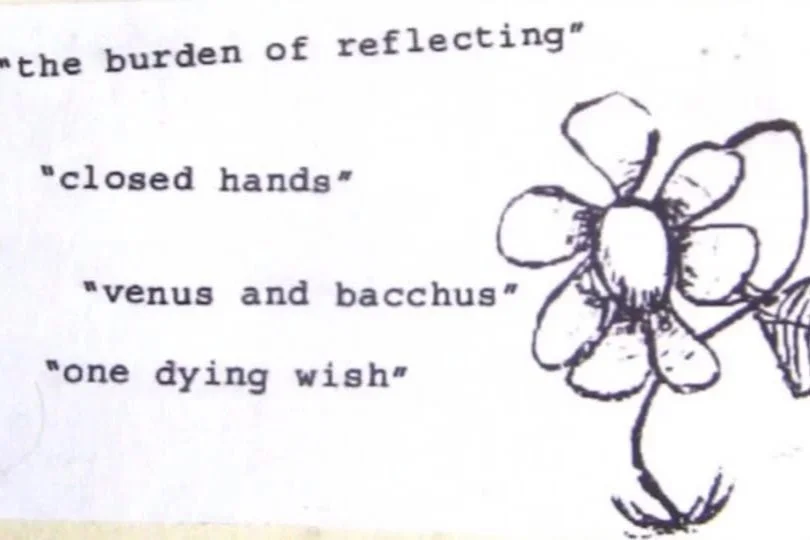
Saetia - Saetia | Screamo Hall of Fame Class of 1997 Inductee
Release Information:
1997
Independent Release
New York City, NY (Tri-State)
Runtime: 14:42
Tracks: 4
Band Members:
Billy Werner (Vocals)
Adam Marino (Guitar)
Jaime Behar (Guitar)
Alex Madera (Bass)
Greg Drudy (Drums)
Genres, Influences and Characteristics:
Screamo, Midwest Emo, Post-Rock, Dynamic, Raw, Mysterious, Complex
Musical Analysis:
You come to understand the power of Saetia’s music within seconds of the intro track’s simple but harrowing intro, oscillating between complete silence and brash, distorted guitar. Entering next is Billy Werner’s iconic high-pitched screeches juxtaposed with frustrated, rapid-fire spoken word verses. As the songs progress, a profound sense of dynamic songwriting can be heard through the serene quiets and the frantic louds on this record. Saetia was definitely inspired by the style of Midwest Emo with intensity changes and twinkly guitar parts, more than the form.
This record isn’t just an establishment of Screamo tropes, though. It is a vibrant, seemingly-alive work of art that reflects the anguish of the band members. Despite each track going through its own arc, the entire EP seemingly builds up to an explosive crescendo in their final track. This is aided by the subtle Post-Rock influence that, while not as pronounced as in bands like Portraits of Past, gives this band the freedom to air out their emotions through extended instrumental passages.
Historical Analysis:
Whenever analyzing the discography of a Screamo band, never, and I mean NEVER, underestimate the power of a demo tape. Although this band would go on to have a legendary (if not short) career, this demo started it all. Featuring the two tracks from a single that would release that same year, this s/t Demo features some of the most beloved songs in the entire catalogue of the band. Countless artists would be inspired by these tracks alone, though Saetia would have quite the prolific career from here despite their brief run.
Lyrical Analysis:
Saetia’s prose-like approach to lyricism allows the band to tell extremely personal emotional tales through stream-of-consciousness verses, powerful repeated phrases and grandiose metaphors about regret and heartbreak. The band isn’t thematically novel, exploring the ideas of unrequited love, grief and nostalgia. Billy’s frenzied vocal delivery imparts desperation and immediacy upon the listener, only to slow things down with clean spoken words that are clearly and painfully understood. Many Screamo bands would blend in political and social ills with personal misery, but Saetia looked entirely inward for motivational torment for these lyrics.
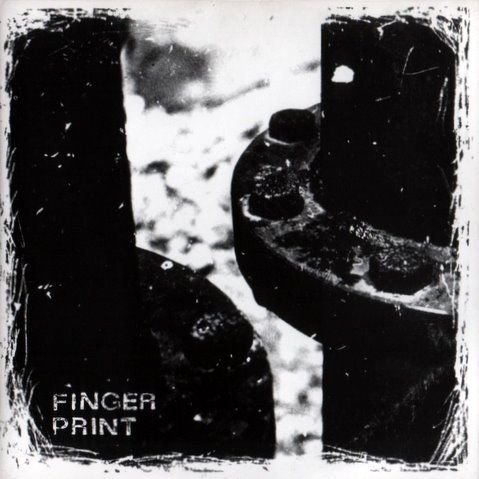
Finger Print - Discography | Holy Grails 1996
The Artifact:
1996
Stonehenge Records
Runtime: 1:03:32
Tracks: 19
Artifact Characteristics:
Screamo, Hardcore Punk, Metalcore, Driving, Raw, Dynamic
Artifact Archeologists:
Nicolas Fisseau (Vocals)
Christophe Mora (Guitar, Vocals)
Thomas Guillanton (Bass)
Jérôme Bessout (Drums)
Artifact Contents:
Every track from their 1993 S/T
Every track from their 1994 S/T
Three original tracks
Four tracks from various comps
Two live recordings
Artifact Echoes:
Despite only being active for two years, Finger Print was a surprisingly prolific band. Though very influenced by the straightforward nature of early 90s Hardcore, Finger Print was one of the first artists in Europe to add such a level of dynamism and melody to their songs, incorporating acoustic guitars and intensity switches. Following closely behind the gnarly emotive screeches from the vocalist is a chugging guitar that breaks things up with some early Metalcore riffage. The further into this comp you get, the stronger the presence of melody is, marrying it with the aggression you’d expect to find in Hardcore. Refreshingly, the bassist is quite prominent in the mix, giving the songs a sense of immediacy and danger. The two EPs are both great, showcasing the band’s evolution as they helped shape Screamo history, though the comp tracks, original tracks and even the live versions (although quite roughly recorded) are all recommended.
Artifact Legacy:
While obscure, Finger Print was one of the originators of Screamo, not just in Europe but globally. Their brand of melody-and-riff-infused Hardcore would give credence to the upcoming sound of Screamo. Emotional intensity, quiet-loud dynamics and surprisingly-crisp production make this primitive Screamo record endlessly replayable, even in the modern day. Their influence can be heard in genre contemporaries like Anomie, Carol, Ivich and beyond. Once they disbanded, Christophe Mora would form obscure-but-influential Screamo band Jasemine.
Artifact Value:
This was originally released on CD in France and, despite its obscurity, is relatively cheap to import. Interestingly, this also came out as a cassette in Southwest Asia, with that version also being affordable but even harder to come by.
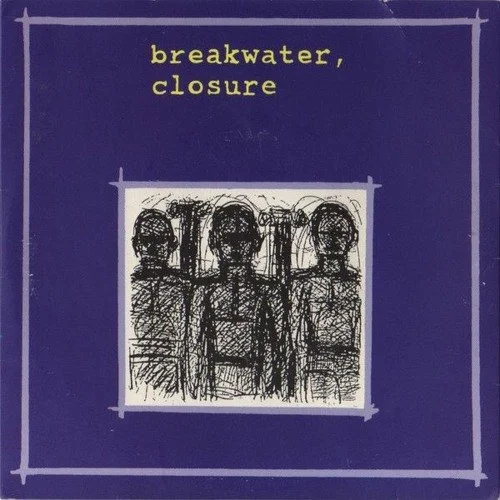
Breakwater / Closure | Connective Tissue 1996
Breakwater
(Victoria, BC, Canada)
Jode Shortreed
Steve Simard
Carey Mercer
Closure
(New York)
Trevor Perry (Vocals)
Adam Gutwein (Guitar)
Mike Treff (Guitar)
Mark Spelbur (Bass)
Dave Spelbur (Drums)
Basic Info:
Release Date: 1996
Label: Mountain Records
Runtime: 9:31
-Breakwater: 7:12
-Closure: 6:44
Tracks: 3
-Breakwater: 1
-Closure: 2
Genres, Influences and Characteristics:
Screamo, Emo, Post-Rock, Melodic, Raw, Dynamic, Lofi
Points on the Timeline:
Almost all of Breakwater’s other material was released in 1995, a demo and a single that contains two songs from the demo. Barring the song Twelve that appears on a comp, this is their only other recorded track. Closure had just formed before this EP dropped and would only last one more year with a full-length album.
Shapes in the Sound:
Melodic, long-form, Post-Rock-driven Screamo with tons of dynamic intensity is found on both sides of this excellent split. Breakwater’s passionate track is a heartbreaking journey of soft vocals and cathartic screams, melodic lead lines and heavy, dissonant chord progressions and devastating crescendos. Closure is a bit more straightforward in their songwriting but features incredibly driving rhythms, heavier production and more bounciness. Though quite contrasted, these two bands complement each other. MAGIC TURTLE!
Threads in the Tapestry:
I initially assumed Victoria was on the East Coast of Canada, which would make sense considering the ties to New York. However, I learned that these two bands were at least 2,500 miles apart, so we’re spanning quite a bit of continent here. Breakwater contributed a track to the same Mountain Records comp as Closure, which is how I imagine they became connected. This split represents cross-country scene building and demonstrates Screamo’s other tendency towards melody and dynamism, compared with some of the heavier bands during this time pushing Emoviolence and other more extreme forms of Screamo.
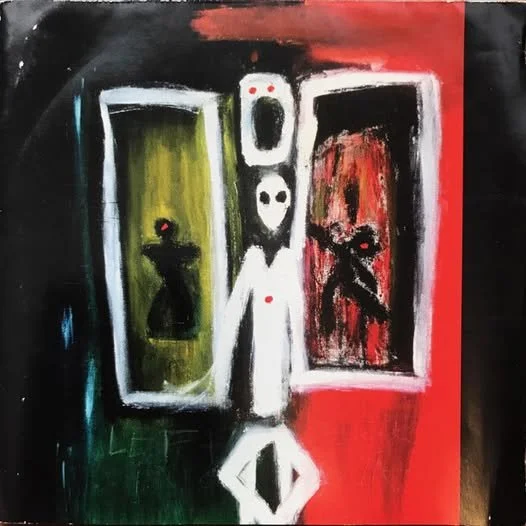
Sidekick Kato - 1st Class Chump | Screamo Hall of Fame Class of 1996 Nominee
Release Information:
1996
Johann’s Face Records
Des Plaines, IL (Midwest)
Runtime: 39:33
Tracks: 10
Band Members:
Tom Anderson (Vocals)
Franky Hryniewicz (Guitar)
Xaq (Guitar)
Joe Campagna (Bass)
Jay Dean (Drums)
Genres, Influences and Characteristics:
Midwest Emo, Screamo, Post-Hardcore, Melodic, Dynamic, Raw, Autumnal
Musical Analysis:
Sidekick Kato employs that early Post-Hardcore-influenced Midwest Emo sound, encapsulated by the first few seconds of the intro track: a loud, brazen chord progression transitions into a delicate, twinkly arpeggio with melodramatic crooning. This formula is quite reminiscent of Midwest Emo contemporaries like Texas Is The Reason, though these Illinois folks iterate even further by adding in some bold, cacophonous Screamo instrumentation and some emotionally resonant screams to the equation. I’d say the bulk of the music here leans Midwest Emo, however.
Historical Analysis:
To my knowledge, this is the very first attempt at weaving Midwest Emo with Screamo ever attempted, so kudos for that accomplishment right off the bat. Because Midwest Screamo wasn’t even an obscure subgenre of Emo yet and wouldn’t be for over a decade, this forward-thinking curiosity is an undeniable part of Screamo Canon, despite its minimal direct influence on the genre.
Lyrical Analysis:
*Note that because this is an old, DIY and relatively minor release in the grand scheme of Emo and Screamo history, I cannot locate lyrics for any of these songs. If lyrics can be dug out, I will reevaluate the lyrical analysis.*
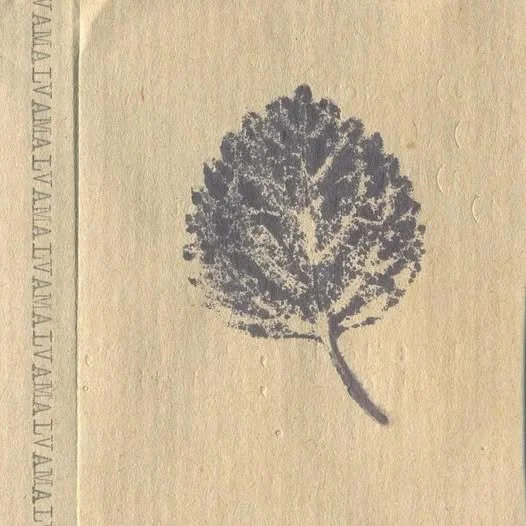
Malva - Malva | The Shape of Screamo to Come
Release Information:
1994
Independent
Leverkusen, Nordrhein-Westfalen, Germany
Runtime: 13:30
Tracks: 5
Band Members:
Martino Palazzo (vocals)
Christian Schneider (guitar)
Florian Reiss (guitar)
Alexander Jahn (bass)
Alexander Bokelmann (drums)
Genres, Influences and Characteristics:
Screamo, Emocore, Passionate, Raw, Melodic, Lofi
Musical Analysis:
The first thing you'll likely notice is the melody and quiet intensity of the band; the second thing is invariably the passionate and coarse vocal delivery from Martino, who at times is on the verge of emotional collapse while putting the maximum strain his vocal cords will allow. Other times, the vocal performance is clean and resigned, as if completely defeated. The muddy production values actually work in favor of the arrangements, allowing the treble to be prominent and emphasize the high end that the band is comfortable playing in.
Historical Analysis:
Outside of a burgeoning French Screamo scene, Germany was the next beneficiary of this movement and one of the earliest examples of Screamo from the region is Malva’s self-titled demo. Eschewing the Hardcore Punk influence of older Screamo, such as Ivich, I wouldn’t describe the sound as “lighter,” but rather its focus is different. Malva utilizes disharmony, distorted melodic lead lines and a higher-register screaming style compared to traditional Hardcore, but it’s as impactful. In particular, the vocal performance is among the most raw in the genre’s infancy.
Lyrical Analysis:
*Note that because this is an old, DIY and relatively minor release in the grand scheme of Emo and Punk history, I cannot locate lyrics for any of these songs. If more lyrics can be dug out, I will reevaluate the lyrical analysis.*
Iconoclast - Iconoclast | The Shape of Screamo to Come
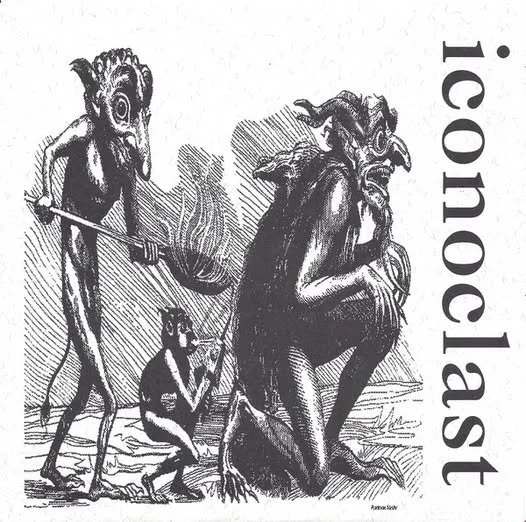
Release Information:
1992
Ebullition Records
Freehold, NJ
Runtime: 9:10
Tracks: 4
Band Members:
Dan Roberts
Ian Williams
Kevin Kajetzke
Pat Kelsey
Kevin Sabarese
Genres, Influences and Characteristics:
Metalcore, Hardcore Punk, Proto-Screamo, Emocore, Dissonant, Raw
Musical Analysis:
On their debut release, Iconoclast pushed their brand of metallic octave chords, Hardcore progressions and gnarly screamed vocals forward with multiple intensity levels. This, in essence, gives off major Screamo vibes, particularly when transitioning between quick-tempo Hardcore to slower disharmonic Proto-Screamo. The drums are active and jangly, not content to play sterile beats at ridiculous tempos. Although by today’s standards, the guitar playing isn’t anything special, the layered guitarwork in the quieter sections contrasts nicely with the chugging chords.
Historical Analysis:
Building off of bands like Merel who haphazardly fused Hardcore with Emocore, Iconoclast’s debut is a more seamless blend of melody and aggression, with a couple of chugs thrown in for good effect. Iconoclast rides the line between NY and DC hardcore well, blending them into one of Screamo's near predecessors. Although other parts of the country like SD get credit for launching Screamo, NJ proves to be an invaluable scene in the early formation of genre tropes that would become standard just years later.
Lyrical Analysis:
*Note that because this is an old, DIY and relatively minor release in the grand scheme of Emo and Punk history, I can't locate lyrics for one song. As such, my lyrical analysis will focus on the first three tracks. If more lyrics can be dug out, I will reevaluate the lyrical analysis*
Typical for Hardcore Punk, social ills are the primary focus of this band's philosophies; the strained screams convey anger and disappointment at the hollow rebellion and hypocritical attitudes of his fellow “revolutionaries” and claims the only way to end our sickness as a society is to take ourselves out. However, there are also instances of introspection, a key development from Hardcore's movement toward Screamo.
Heroin - Heroin | The Shape of Screamo to Come
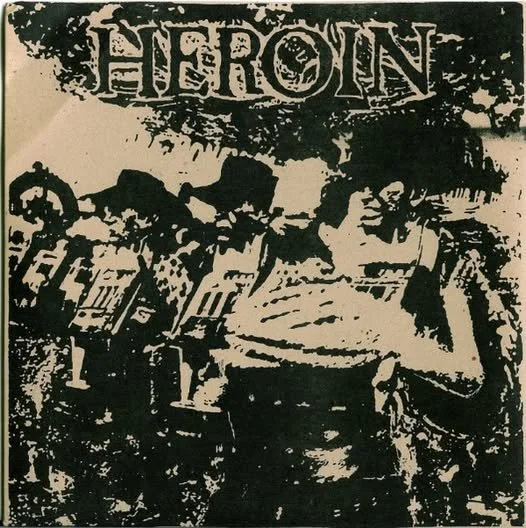
Release Information:
1992
Gravity Records
San Diego, CA (SoCal)
Runtime - 6:50
Tracks: 4
Band Members:
Matt Anderson - Vocals
Scott Bartoloni - Guitar
Ron Johnson - Bass
Aaron Montaigne - Drums
Genres, Influences and Characteristics:
Post-Hardcore, Proto-Screamo, Emocore, Hardcore, Noisy, Raw, Intense, Dissonant
Musical Analysis:
At times, this release showcases its prominent Punk roots with blistering and simple chord progressions, rapid-fire shouted lyrics and short song lengths. However, utilizing Emocore influences gives this EP a different tone and allows for stronger uses of melody in the guitar. Toward the end of the EP in particular, there seems to be a movement away from the simplicity of traditional Hardcore into more chaotic and emotive stuff; Blind emits some Powerviolence influence while With No Name is deliberately paced and features dynamic intensities, a staple of Screamo.
Historical Analysis:
Heroin’s self-titled 1992 7” is one of the premiere releases from Gravity Records, one of the most influential record labels with respect to Hardcore, Post-Hardcore and Screamo. San Diego was a groundswell of innovation in the scene and Heroin’s harrowing combination of Post-Hardcore, Emocore and Hardcore would influence countless bands in the area. I’d be remiss if I referred to this as proper Screamo, but their sound was trending into what early Screamo would become.
Lyrical Analysis:
*Note that because this is an old DIY release during the early 90s, I can only locate lyrics for the first two songs. As such, my lyrical analysis will focus on those. If more lyrics can be dug out, I will reevaluate the lyrical analysis*
Heroin’s direct yet poignant lyrics center around social complacency and finding your place in the world. The search for authenticity continues, especially in an increasingly self-centered world. Interestingly, Heroin’s lyrics suggest self-reflection on their own privilege in this world as “middle-class white kids,” though this does nothing to stop the existential dread.
Merel - Merel | The Shape of Screamo to Come
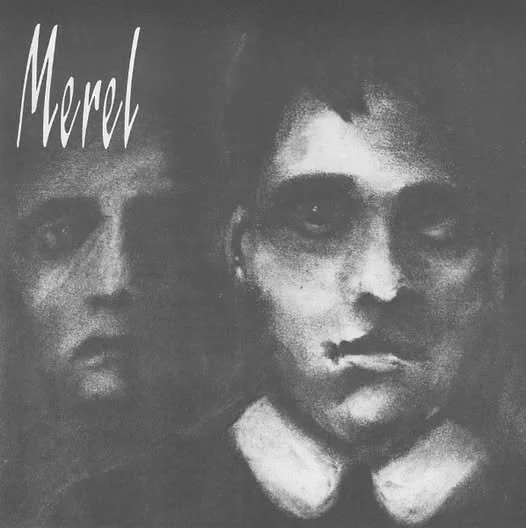
Release Information:
1991
Gern Blandsten Records
New Jersey
Runtime - 11:36
Tracks: 5
Band Members:
Jose Ruiz (Vocals)
Mike Solski (Guitar)
Jon Ariz (Guitar)
David Leto (Bass)
Greg Leto (Drums)
Genres, Influences and Characteristics:
Hardcore Punk, Emocore, Proto-Screamo, Lofi, Traditional, Raw, Dynamic, Political
Musical Analysis:
Merel's self-titled debut demo is a rough recording, totaling approximately 11 ½ minutes, featuring what we would call “standard” Hardcore these days with blistering tempos, heavy tones and shouted vocals slapdashed with more deliberate mid-tempo Emocore. These dynamics are somewhat disparate, but at times these genres combine to form one of the earliest-recorded examples of Proto-Screamo.
Historical Analysis:
New Jersey has been credited as being a “Hardcore Highway,” bridging the gap between New York's brutal approach to the genre and D.C.’s slower-tempo and methodical style; though exhibited plentily throughout the 80s, the most pertinent early example to this evaluation of Screamo comes by way of Merel's 1991 debut demo EP. Most would not credit this band (nor this release) as the Godfather of the genre, but few can trace the Shape of Screamo to earlier roots, thanks in large part to this band's geographical location adjacent to larger well-defined scenes.
Lyrical Analysis:
*Note that because this is an old, DIY and relatively minor release in the grand scheme of Emo and Punk history, I can only locate lyrics for one song. As such, my lyrical analysis will focus on this song. If more lyrics can be dug out, I will reevaluate the lyrical analysis*
It should come as no surprise that Merel's lyrics would be political in nature given their proximity to Punk. On Roadkill, Merel is disillusioned with the powers of the world, wondering how they can commit such atrocities while being able to live with themselves. Jose Ruiz's direct lyrical messaging invokes anger and malice towards them, thematically consistent with much of Hardcore during this time.