

Hello, everyone! Welcome to the hub for my Deep Dive project Establishing Screamo Canon: From Chaos to Catharsis! 2025 was the Year of Screamo and, while I didn’t quite get to my goal of covering Screamo from the 90s through 2015, getting through the 90s wound up being a Herculean feat in and of itself. I’m quite proud of this accomplishment! The series will continue indefinitely as I have time for it, but getting it up onto the website was very important. Please refer to the Overview post for more information about the series and the various sub-series within.
Below you can sort by subseries or via a tag cloud, weighing the most commonly-used tags such as artists, release years, record labels, locations, genres and even descriptors! Please keep an eye on this as the series continues! Alternatively, you may use the below search function to find anything you might be interested in reading about within the series. Please note that when you click one of the following links, you will have to scroll past the welcome and navigation sections to access the content.

- Emoviolence
- Dynamic
- Dissonant
- Chaotic
- Frantic
- Melodic
- 1999
- Post-Hardcore
- Raw
- 1997
- Hardcore Punk
- 1998
- Noisy
- 1996
- Emocore
- Florida
- SoCal
- Lofi
- Noise Rock
- Atmospheric
- Metalcore
- Post-Rock
- Midwest Emo
- Energetic
- Grindcore
- Canada
- Complex
- Massachusetts
- Reversal of Man
- Independent
- NorCal
- 1994
- Ebullition Records
- Orchid
- Manic
- France
- New York
- New Jersey
- Aggressive
- Gravity Records
- Sass
- Mountain Records
- Pennsylvania
- Dark
- Combatwoundedveteran
- Intense
- Witching Hour Records
- The Great American Steak Religion
- Dense
- Cold
- Metallic
- Technical
- Virginia
- Eclectic
- South Carolina
- 1993
- 1992
- Saetia
- Playful
- Three One G Records
- Frenetic
- Math Rock
- Powerviolence
- Indiana
- Driving
- You and I
- Puritan
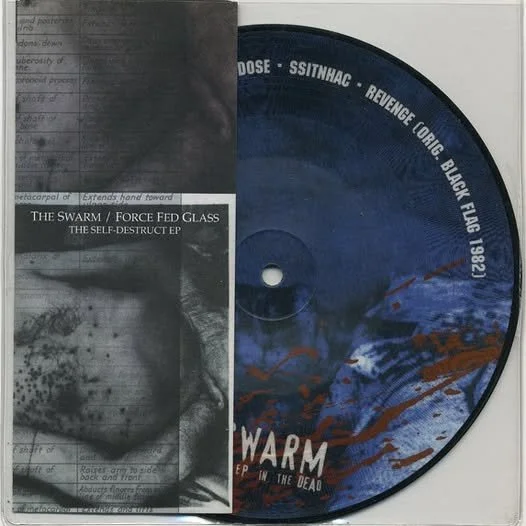
The Swarm / ForceFedGlass - The Self-Destruct EP | Connective Tissue 1999
The Swarm
(Burlington, ON, Canada)
Chris Colohan (Vocals)
Adam Bratt (Guitar)
Christian McMaster (Guitar)
Lou Oliveras (Bass)
Mike Maxymuik (Drums)
ForceFedGlass
(Richmond, VA)
Pat Masteron (Vocals)
Evan Plante (Guitar)
Justin Conlon (Bass)
Ben Koller (Drums)
Basic Info:
Release Date: 1999
Label: The Electric Human Project
Runtime: 6:29
-The Swarm: 3:30
-ForceFedGlass: 2:59
Tracks: 6
-The Swarm: 4
-ForceFedGlass: 2
At a Glance:
Metalcore, Emoviolence, Hardcore Punk, Energetic, Frantic, Punky, Technical
Points on the Timeline:
Both bands formed in the late 90s, releasing the bulk of their discographies before the turn of the century. By 2000, both artists will disband.
Shapes in the Sound:
The Swarm, tangentially related to the Screamo scene by way of guitarist Kyle Bishop, who does vocal duties for fellow Ontarians Grade, plays fairly straightforward Metalcore on here with a few traditional Punk leanings. Somewhat melodic, somewhat driving and brimming with energy and passion, their four tracks breeze through. ForceFedGlass’ two tracks are far more complex, noisier and more dynamic, playing their signature brand of blistering, technical Emoviolence with heavy, slow sections spacing out the chaos.
Threads in the Tapestry:
Although both artists would fizzle out soon after this split was released, it nonetheless catalogs these two distinct Hardcore artists from 550 miles apart at the end of their short-lived musical careers. While neither would be groundbreaking in their genre, they both remain underrated aspects of genres that would leave them behind.
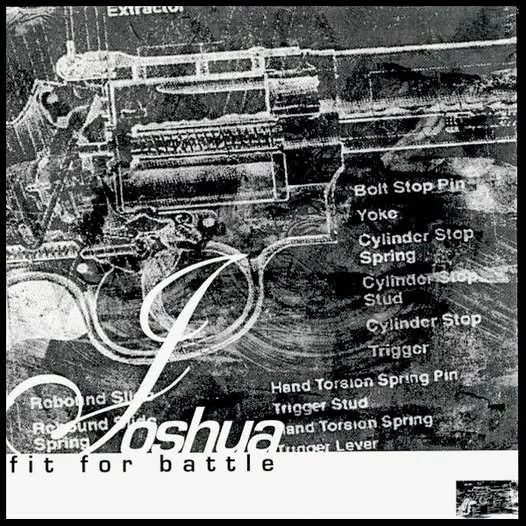
Joshua Fit for Battle / Love Lost But Not Forgotten | Connective Tissue 1999
Joshua Fit for Battle
(Newark, DE)
Joe Breitenbach (Vocals)
Larry Everett (Vocals)
Geoff Matheison (Guitar)
John Fasano (Guitar)
Dan Bogart (Bass)
Kevin Hardy (Drums)
Love Lost But Not Forgotten
(St. Louis, MO)
Mike Schmidt (Vocals)
Scott Fogelbach (Guitar, Vocals)
Jason Emerick (Guitar)
Chris Grady (Bass)
Matt Prater (Drums)
Basic Info:
Release Date: 1999
Label: Normal Records
Runtime: 10:37
-Joshua Fit for Battle: 5:03
-Love Lost but Not Forgotten: 5:34
Tracks: 4
-Joshua Fit for Battle: 2
-Love Lost but Not Forgotten: 2
At a Glance:
Screamo, Emoviolence, Driving, Dissonant, Dynamic
Points on the Timeline:
Both of these bands had only recently formed, both releasing their debut EPs and this split in 1999. Humble beginnings for two bands who would define the genre in the early 00s; Love Lost would release their unforgettable debut LP in 2000 while Joshua would have to wait until 2002 to get their moment in the sun.
Shapes in the Sound:
Uniquely, Joshua Fit for Battle has the first track on this split, followed by two back-to-back entries from Love Lost but Not Forgotten. Finally, the album ends with another Joshua Fit for Battle song. Their styles are distinct, but it’s nice to have a sort of bookend to this thing. JFFB’s side is a bit slower and warmer than LLBNF’s tracks, featuring a tad more starkness in the dynamic contrasts. Love Lost has fiery moments of Emoviolence passion that fizzle out as quickly as they come, tinged with plenty of dissonance.
Threads in the Tapestry:
This particular split was a great harbinger of what’s to come for the genre in the early 2000s. LLBNF’s two songs were demos for tracks that wound up on their seminal 2000 LP while JFFB perserved their early work in a comp later on.
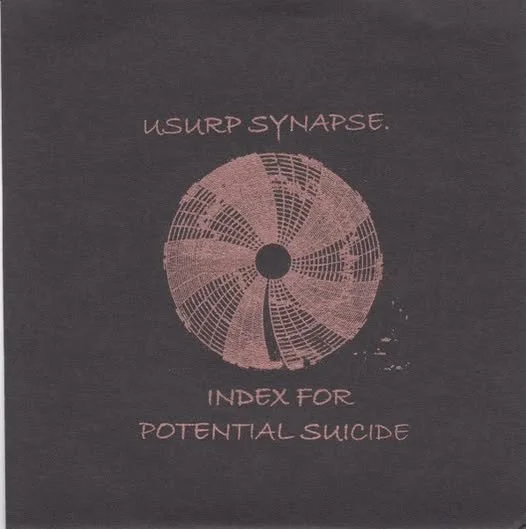
Index for Potential Suicide / Usurp Synapse | Connective Tissue 1999
Index for Potential Suicide
(Charleston, SC)
Christopher Ashley (Guitar, Vocals, Keyboards)
Shawn Williams (Bass, Vocals, Keyboard)
Robert Findlater (Drums)
Brian Cooper (Keyboards)
Usurp Synapse
(Lafayette, IN)
Antonio Leiaro (Vocals)
John Scott (Vocals)
Brandon Harris (Guitar)
Donald Kirkland (Guitar)
Tony Dryer (Bass)
Travis Chance (Drums)
Basic Info:
Release Date: 1999
Label: Witching Hour Records
Runtime: 8:46
-Index for Potential Suicide: 5:07
-Usurp Synapse: 3:39
Tracks: 6
-Index for Potential Suicide: 2
-Usurp Synapse: 4
At a Glance:
Emoviolence, Frantic, Synthy, Dynamic, Crushing
Points on the Timeline:
Both artists were relatively new to the scene, forming in 1998. Index released an EP in ‘98 while Usurp debuted their material in ‘99. Index wouldn’t last too much longer than the year 2000, while Usurp would stick around for a couple of years until 2003.
Shapes in the Sound:
These two burgeoning Emoviolence acts have pretty different styles, but they come together perfectly in this cozy little package of destruction. Index for Potential Suicide utilizes synths (some more subtle than others) to layer their music and give it a unique twist. The core of the music is somewhat dynamic, switching from deep breakdowns to manic sections of pure chaos to some weird artificial sounds that are all out of place while simultaneously feeling right at home.
Usurp Synapse’s side features four songs that hover around the 1-minute mark but are played at such blistering tempos that there are tons of musical ideas on offer, with some room for cleaner, slower sections that counterbalance the rest of the insanity.
Threads in the Tapestry:
A staggering 800-mile trek separates South Carolina from Indiana, but that didn’t stop these two small-time acts from coming together early in their careers and ripping out some banger tracks. Although Index’s efforts tend to fly under the radar, Usurp Synapse has been on an on-again, off-again path of terror for decades. However, the majority of their material can be found on various splits, the first of which was with Index for Potential Suicide.
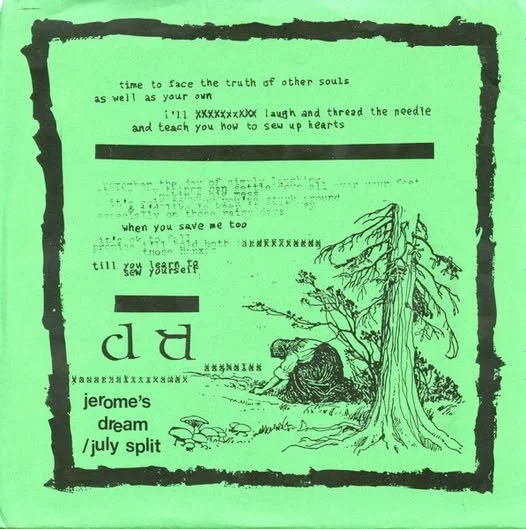
Jeromes Dream / July - Connective Tissue 1999
Jeromes Dream
(West Haven, CT)
Jeff Smith (Bass, Vocals)
Nick Antonopulous (Guitar)
Erik Ratensperger (Drums)
July
(Apex, NC)
Gabe Johnson
Herb Harris
Basic Info:
Release Date: 1999
Label: Witching Hour Records
Runtime: 10:13
-Jeromes Dream: 3:50
-July: 6:23
Tracks: 2
-Jeromes Dream: 1
-July: 1
At a Glance:
Emoviolence, Post-Rock, Midwest Emo, Slowcore, Atmospheric
Points on the Timeline:
Jeromes Dream had just released their first split with Amalgamation in December of 1998, so this was still one of the earliest tracks they ever released. They would stick around for a couple of years before disbanding in the early 00s, whereby they’d release their signature material. Meanwhile, July is a duo with this one song and possibly a demo somewhere in the wild. They’re quite obscure.
Shapes in the Sound:
Jeromes’ side opens with one of their typical ferocious Emoviolence intros with utter insanity on the guitar and drums. Jeff Smith’s signature destructive vocals complete the package, though there’s also a bit of a second half to this one; the back end of this track is mostly atmospheric noise with dynamic aggression. Meanwhile, July’s track is quiet, blessed with just a guitar, some keyboard and the human voice. These nearly six-and-a-half minutes of Post-Rock goodness with Emo-style vocals are beautiful, but contrast Jeromes’ side completely.
Threads in the Tapestry:
How this obscure band linked with Jeromes Dream with almost zero music to their credit and living 600 miles apart is truly a mystery, but the world of Emo should be thankful for this contribution. While obviously not Jeromes’ greatest or most memorable work, it does feature a repetitive chord progression that the end that would become a hallmark of their sound for years to come.
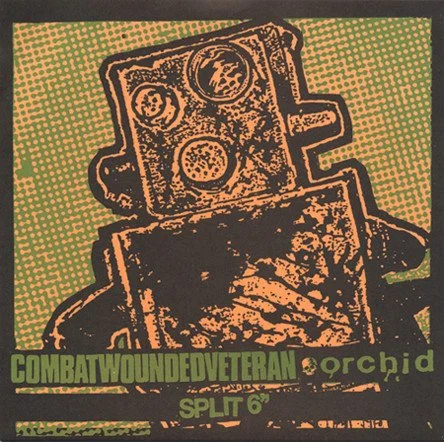
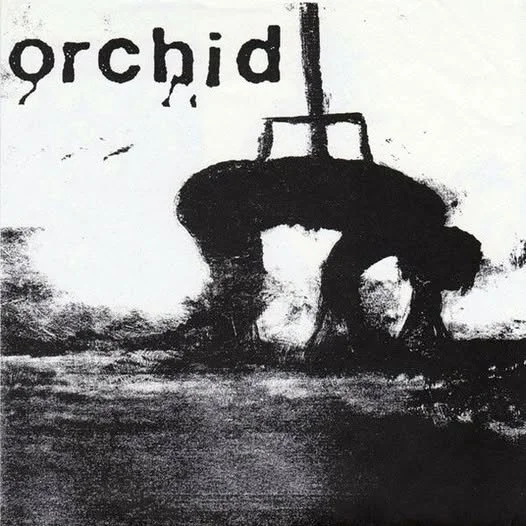
Combatwoundedveteran / Orchid - Split 6” | Connective Tissue 1999
Combatwoundedveteran
(Tampa, FL)
Christopher Norris (Vocals)
Dan Raade (Guitar)
Bill (Guitar)
Dan Ponch (Bass, Vocals)
Mark Muenchinger (Drums)
Orchid
(Amherst, MA)
Jayson Green (Vocals)
Will Killingsworth (Guitar)
Brad Wallace (Bass)
Jeff Salane (Drums)
Basic Info:
Release Date: 1999
Label: Clean Plate Records
Runtime: 5:03
-Combatwoundedveteran: 2:53
-Orchid: 2:10
Tracks: 7
-Combatwoundedveteran: 5
-Orchid: 2
At a Glance:
Emoviolence, Grindcore, Screamo, Noisy, Chaotic, Frantic
Points on the Timeline:
These two Emoviolence legends were both peaking in 1999, with CVW and Orchid delivering Hall of Fame-worthy LPs, shaping the genre in their drastically different images. For Combatwoundedveteran, this year would be the absolute pinnacle of their careers, releasing their celebrated LP, this split with fellow seminal Emoviolence act Orchid and one more insane split with Scrotum Grinder.
Meanwhile, Orchid’s unbeatable run of releases would only start here; Dance Tonight! was in the works for next year, along with the legendary Skull Split with Jeromes Dream and a swan song in 2002. By 2003, both artists would disband, leaving immense legacies behind.
Shapes in the Sound:
This split moves a blistering pace, squeezing in seven songs in five minutes! CVW’s side is an absolute wall of sound from the frenetic instrumentation and manic screaming. The guitar is all-encompassing and the drums seem to suck the air out of whatever’s left. It’s very devastating and boisterous, even when not playing full-on Grindy Emoviolence.
Orchid’s sound has evolved from their last EP with Pig Destroyer, resembling Chaos Is Me in sound and production without the warm guitars. The format is much more dynamic, with just two songs totaling two minutes, and with the sudden tempo, aggression and volume shifts, it really does begin to embody chaos.
Threads in the Tapestry:
While this split isn’t the most well-known split from either artist, it demonstrates two influential Emoviolence acts coming together from one part of the East Coast to another during their primes and just absolutely tearing it up. The genre had been fleshed out for years prior, but this showcase just showcases the strength of its heavy-hitters.
Orchid / Encyclopedia of American Traitors | Connective Tissue 1998
Orchid
(Amherst, MA)
Jayson Green (Vocals)
Will Killingsworth (Guitar)
Brad Wallace (Bass)
Jeff Salane (Drums)
Encyclopedia of American Traitors
(Millersville, PA)
Andrew Martin
Keith Miller
Ryan Suffort
Steve " Yuletide" Sakasitz
Zachary Martin
Basic Info:
Release Date: 1998
Label: Witching Hour Records
Runtime: 9:36
-Orchid: 4:37
-Encyclopedia of American Traitors: 4:59
Tracks: 5
-Orchid: 3
-Encyclopedia of American Traitors: 2
At a Glance:
Screamo, Emoviolence, Frenetic, Dark, Metallic
Points on the Timeline:
Orchid was still only a year or so into their time as a band, still finding their signature sound. This Split actually includes a song from their 1997 demo as well as two originals, showcasing a somewhat metallic-sounding Orchid with slightly less chaos. EOAT would release another split this year before coming out with a second EP in 1999 and a comp in 2002.
Shapes in the Sound:
Orchid’s signature chaotic, noisy guitarwork is present here in their early material, switching between sinister melodic lead lines and heavy chord progressions. The singer’s hoarse screams leave an unmistakable impact on the songs, though besides these two elements, this is pretty standard manic Screamo fare. EOAT’s production values are a fair bit lower than their counterparts, but the insanity is more prominent in their songs than Orchid’s side. The lead singer sounds like his head is going to explode from belching out those crazy screams. The heavy chugging makes its way to their side too, though their songs have less emphasis on short, violent bursts and are a bit more fully-formed.
Threads in the Tapestry:
EOAT would live in Screamo obscurity, propped up primarily by their split with future-legends in Orchid. However, you can feel their fingerprints across the dissonant and wily Tri-State Screamo scene. Meanwhile, Orchid was a mere year away from taking the Hardcore community by storm with their first legendary album. Although you could preview their quality in these early releases, nothing could have prepared the scene for their upcoming level of Screamo mastery.
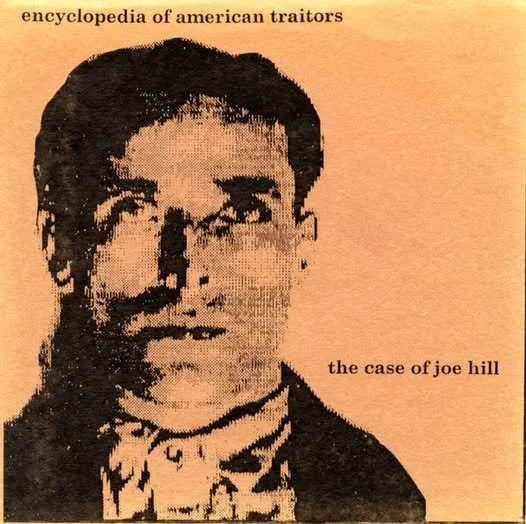
Encyclopedia of American Traitors / Kwisatz Haderach - The Case of Joe Hill | Connective Tissue 1998
Encyclopedia of American Traitors
(Millersville, PA)
Andrew Martin
Keith Miller
Ryan Suffort
Steve " Yuletide" Sakasitz
Zachary Martin
Kwisatz Haderach
(Arlington, VA)
Geoffrey Todd Culbertson
Lucia Forte
Sam Gutterman
Todd Hoffman
Todd Neece
Yannis Stephanopoulos
Basic Info:
Release Date: 1998
Label: N/A
Runtime: 11:03
-Encyclopedia of American Traitors: 4:55
-Kwisatz Haderach: 6:08
Tracks: 4
-Encyclopedia of American Traitors: 2
-Kwisatz Haderach: 2
At a Glance:
Emoviolence, Frenetic, Atmospheric, Dynamic
Points on the Timeline:
Both of these small-time Emoviolence bands existed solely in the late 90s. EOAT was two splits and one EP deep into their career in 1998, with one more EP and a discography comp in their future. Kwisatz Haderach would only release an EP this year outside of this Split before calling it quits.
Shapes in the Sound:
Both of these bands execute dynamic Emoviolence with long, atmospheric buildups with some gnarly screams. EOAT tends to have more of a dichotomy between melody and dissonance, sounding somewhat like Saetia performing Emoviolence at times, while Kwisatz is a bit more “Hardcore,” for lack of a better term. Regardless, both of these artists took great care to ensure the hectic sections were balanced out.
Threads in the Tapestry:
This quick East Coast connection wasn’t well known, but both bands would flesh out Emoviolence in their respective regions. Though quite small time, members would go on to flourish in other Hardcore bands like Yaphet Kotto, Tiny Hawks and Virgina Black Lung.
Orchid / Pig Destoryer | Connective Tissue 1998
Orchid
(Amherst, MA)
Jayson Green (Vocals)
Will Killingsworth (Guitar)
Brad Wallace (Bass)
Jeff Salane (Drums)
Pig Destroyer
(Washington, D.C.)
J.R. Hayes (Vocals)
Scott Hull (Guitar)
John Evans (Drums)
Basic Info:
Release Date: 1998
Label: Amendment Records
Runtime: 10:13
-Orchid: 5:29
-Pig Destroyer: 4:44
Tracks:
-Orchid: 3
-Pig Destroyer: 8
At a Glance:
Grindcore, Emoviolence, Screamo, Frantic, Metallic
Points on the Timeline:
Both of these bands started life in 1997; all three of Orchid’s songs come from their previous We Hate You demo, while Pig Destroyer threw in three songs from their own 1997 demo and a few originals. Both sides showcase young Hardcore bands poised to become defining figures in their respective genres.
Shapes in the Sound:
Orchid’s contribution features a more metallic-leaning sound than you’d expect, with the chugs you’d hope for and a gritty guitar tone that dominates the songs. Let’s not take away from the admirable drumming performance that keeps up with the guitar’s madness and a brutal vocalist whose every lyric is torture to the ears. Meanwhile, Pig Destroyer put out rapid-fire Grindcore tracks with the faintest of Sludge sensibilities. Their anger and appetite for destruction was quite high on this. Expect rapid-fire blastbeats and piercing shrieking vocals.
Threads in the Tapestry:
Although not the best representation of either band, these early works showcase the potential that these Hardcore pioneers possessed. While Orchid would drop much of the Metal influence from their legendary works, these songs were structurally similar to what they’d go on to create. Similarly, though they would change the influences on subsequent records, they kept the Grindcore grinding through and through.
This release doesn’t get the recognition it deserves for having two legends in their early incarnations showing off the future of Hardcore music, but it’s at the very least an important footnote in the history of the scenes.
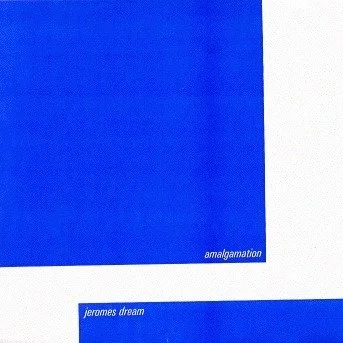
Amalgamation / Jeromes Dream | Connective Tissue 1998
Amalgamation
(Washington, D.C.)
Forbes Graham (Vocals)
Jacob Long (Vocals)
Chad Matheny (Guitar)
Chris Chang (Guitar)
Adam Witt
Eazy
Jeromes Dream
(West Haven, CT)
Jeff Smith (Vocals, Bass)
Nick Antonopulous (Guitar)
Erik Ratensperger (Drums)
Basic Info:
Release Date: 12/1998
Label: Ricecontrol Records
Runtime: 10:21
-Amalgamation: 5:40
-Jeromes Dream: 4:41
Tracks: 4
-Amalgamation: 2
-Jeromes Dream: 2
At a Glance:
Screamo, Emoviolence, Chaotic, Manic, Dynamic
Points on the Timeline:
Amalgamation exists only through two splits, this being their second and final release. Conversely, this was the very first taste of Jeromes Dream that the world was blessed with. They would have a fruitful and prolific career for several years before making a comeback two decades later.
Shapes in the Sound:
With tense, sinister buildups and dissonant, explosive crescendos, this chaotic release showcases two bands with a lot to prove. The split begins with Amalgamation’s unhinged trumpeter performing over truly chaotic Emoviolence, and the weirdness doesn’t stop there. The two vocalists are both gnarly and high-pitched, adding to the depravity of their sound. The trumpet continues on, adding both melody and discord to the driving and unpredictable songs.
Jeromes Dream sounds surprisingly fully-formed for this being their first release, pushing forth with unbelievably noisy arrangements, syncopated and raw chord progressions, a deep, buzzing bass that fills the recording, a dynamic drummer capable of the quietest, most fragile beats and the most spastic sections of drumming put to record in Screamo thus far, all tied together by a manic, high-pitched vocalist whose screams are as painful on delivery as they are in purpose. Aside from that, their two tracks flow remarkably well together.
Threads in the Tapestry:
Amalgamation is a band seemingly lost to time, but they were an innovative late-90s Emoviolence band with some sweet trumpets and embodied unpredictability. Without some D.C. oldheads and this very split with the one and only Jeromes Dream keeping their memory alive, we probably wouldn’t be listening to their kickass songs.
Meanwhile, Jeromes Dream would go on to have a legendary and prolific career in Screamo, initially disbanding a few years after this. While their splits would be legendary and eclipse what they accomplished here in 1998 (not to mention the legendary LP due to shock the system), this is still a worthy listen for fans of Screamo, Emoviolence and especially Jeromes Dream.
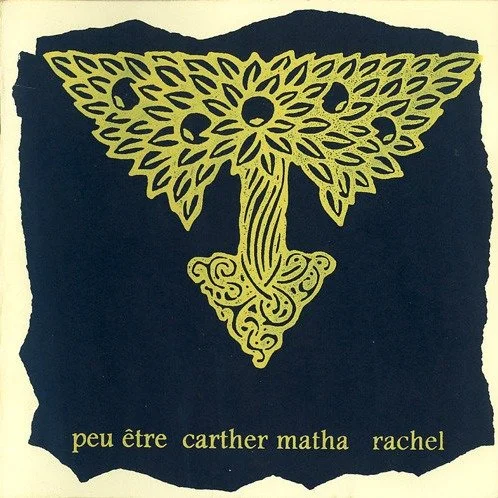
Peu être / Carther Matha / Rachel | Connective Tissue 1997
Peu être
(Niort, Nouvelle-Aquitaine, France)
Gérome Desmaison
Laurent Daudin
Mike Ramounet
Carter Martha
(France)
Antoine De Lassée
Eric Surmont
Gérome Desmaison
Sébastien Janouin
Rachel
(France)
Nicolas Marilleau (Vocals)
Antoine De Lassée (Guitar, Vocals)
Laurent Daudin (Guitar)
Eric Surmont (Bass)
Sébastien Fouet (Drums)
Basic Info:
Release Date: 1997
Label: Le brun le roux corporation
Runtime: 1:11:18
-Peu être: 22:16
-Carther Matha: 26:46
-Rachel: 22:16
Tracks: 26
-Peu être: 8
-Carther Matha: 11
-Rachel: 7
Genres, Influences and Characteristics:
Screamo, Melodic, Dynamic
Points on a Timeline:
With eight members between the three bands and more than their share of cross-pollination, these staples of the 90s French Screamo scene came together at very similar points in their lifespans. All three bands started off in the mid-90s with demos, with perhaps Peu être forming and releasing their material first in ‘94. This split would be the last major work from any of these bands, however; Peu être didn’t release any material after this until their brief reformation in 2011. For Carther Matha, this would be the last the world would hear from them. Rachel would continue as a band the longest, releasing their final EP in 2001.
Shapes in the Sound:
Right off the bat, I need to address this: yes, these bands do sound fairly similar, but as I’ve previously mentioned, there are only eight interconnected members among these bands, all likely from the same region of Western France, so this tracks. As far as similarities go, they all have the “French Screamo” sound. What is that? It’s the marriage of emotional intensity, dynamic aggression and gorgeous melodies, melding them together in a winning formula that would be iterated upon for years to come.
Peu être utilizes dense guitar textures to craft atmosphere, Carther Matha have very-defined clean sections and have the closest ties to Hardcore, and Rachel, with perhaps the gnarliest vocalist of the bunch, packs their tracks with more length, bigger builds and emotional gravitas.
Threads in the Tapestry:
Simply put, this is a statement release for French Screamo and Western France. Several prominent musicians collaborated on this ambitious release, with each band contributing an LP's worth of music to the cause. This release would fade into obscurity as the genre grew in prominence, particularly in France, but the 1+ hours of pure 90s French Screamo preserves in amber an active and important scene in the development of this intense genre.
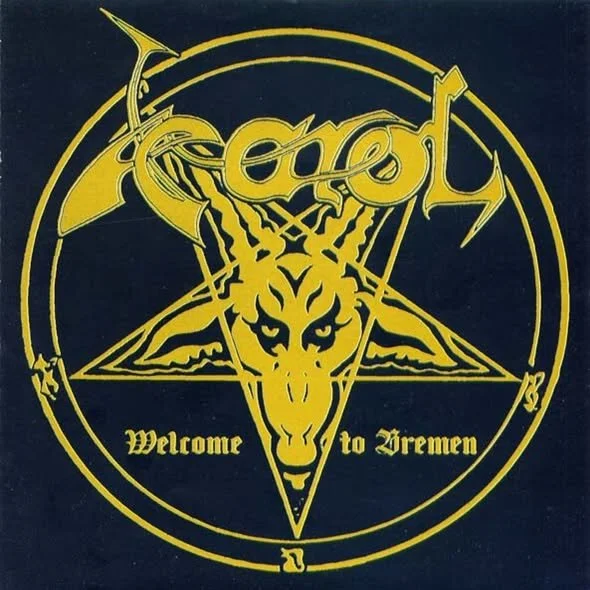
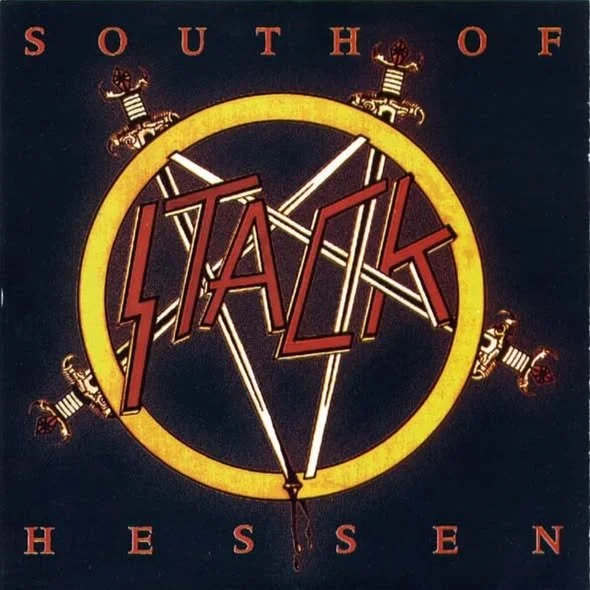
Stack / Carol - Welcome to Bremen / South of Hessen | Connective Tissue 1997
Stack
(Germany)
Bernd Bohrmann (Vocals)
Chris King (Guitar)
Marcel Hammenman (Guitar)
Michael Araya (Bass)
Ralf Lombardo (Drums)
Carol
(Bremen, Bremen, Germany)
Björn Schmidt (Vocals)
Andy Lehmann (Guitar)
Matthias Trenne (Bass)
André Wendelken (Drums)
Basic Info:
Release Date: 1997
Label: Summersault Records
Runtime: 9:34
-Stack: 5:43
-Carol: 3:51
Tracks: 4
-Stack: 3
-Carol: 1
Genres, Influences and Characteristics:
Powerviolence, Screamo, Metalcore, Heavy, Frantic, Playful
Points on the Timeline:
Stack had sporadically released demos, EPs and splits from the mid-late 90s, with this being one of those splits. They would release their magnum opus in 2001, their first LP and final official record. meanwhile, Carol was a short-lived Screamo project that begat one solid EP in ‘95 and this split two years later. This would be their final release until a comp came out many, many years later.
Shapes in the Sound:
Stack is a bona fide Powerviolence outfit with fast, short tracks, tempo shifts and frenzied drumming. Still, there is a carefree side to the band - after all, having an album title and cover referencing Slayer and including a cheesy Power Metal sample isn't very typical in striving brutality. By contrast, Carol's side is concentrated Screamo fury, beginning with a tense, slow intro before devolving into utter chaos. This is perhaps the darkest, craziest track from this band yet.
Threads in the Tapestry:
North and Central German Hardcore scenes merge in this wonderful split. These two obscure bands decided to come together and showcase the German Hardcore scene, its variety and the sheer quality that it was capable of. This would not be Stack's final foray with Screamo, and we will see them again soon.
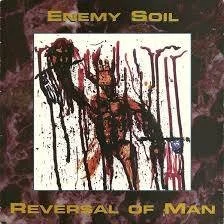
Enemy Soil / Reversal of Man | Connective Tissue 1997
Enemy Soil
(Sterling, VA)
J.R. Hayes (Vocals)
Richard Johnson (Guitar, Vocals)
Russ Mason (Bass, Vocals)
Brian Harvey (Drums)
Reversal of Man
(Tampa, FL)
Matt Coplon (Vocals)
Jasen Weitekamp (Guitar)
Jason Crittenden (Guitar)
Jeff Howe (Bass)
John Wiley (Drums)
Basic Info:
Release Date: 1997
Label: Fist Held High Records
Runtime: 9:21
-Enemy Soil: 4:38
-Reversal of Man: 4:43
Tracks: 5
-Enemy Soil: 3
-Reversal of Man: 2
Genres, Influences and Characteristics:
Grindcore, Screamo, Emoviolence, Dissonant, Frantic
Points on the Timeline:
Prolific Grindcore stalwarts Enemy Soil were in the midst of a career-defining year in 1997. This release was one of four splits, one EP and one live EP to come out, almost doubling the previous five years of recorded material unleashed unto the world. However, they’d only be releasing music for a couple more years following this. Regardless, this was their first (and not only) sideswipe into the world of Screamo. Reversal of Man continued their relentless onslaught of releases, with this being their seventh in three years. Their very best work had yet to arrive, however.
Shapes in the Sound:
Enemy Soil's half of the split begins with a ruckus; heavy, deep guitar tones introduce us to the ways of Grindcore while the drums drift into a series of blast beats. The singer carelessly throws his screams around for maximum brutality. Seriously, these songs are sort of insane. Reversal of Man keeps things relatively even-keeled, utilizing a slower Screamo sound often to contrast the bursts of Emoviolence. RoM play with melody on here quite a bit for how aggressive and emotionally intense their songs are.
Threads in the Tapestry:
Although Grindcore wouldn't be the definitive influence on Screamo's development, the Emoviolence boom of the late 90s can undoubtedly give some credit to this subgenre for its speed, ferocity and generally chaotic aesthetic. And, much like how mixed old Hardcore show bills used to be, this split represents the unadulterated mayhem of both Grind and Emoviolence as subsects of Hardcore.
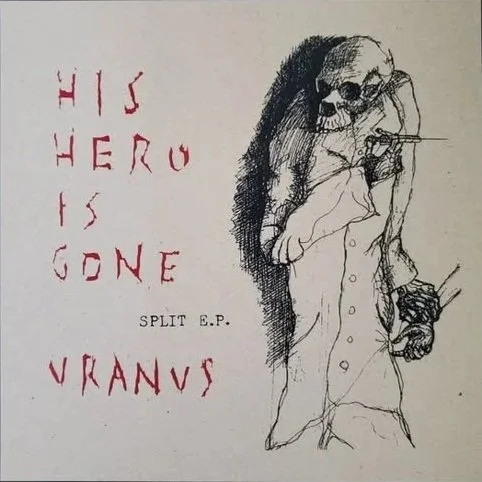
His Hero Is Gone / Uranus - Split E.P. | Connective Tissue 1997
His Hero Is Gone
(Memphis, TN)
Todd Burdette (Guitar, Vocals)
Pat Davis (Guitar)
Carl Auge (Bass, Vocals)
Paul Burdette (Drums)
Uranus
(Ottawa, Ontario, Canada)
Geoff Cousens (Vocals)
Yannick Lorraine (Guitar)
Karl (Guitar)
Matt Bruce (Drums)
Basic Info:
Release Date: 1997
Label: The Great American Steak Religion
Runtime: 23:59-His Hero Is Gone: 9:05
-Uranus: 14:54
Tracks: 11
-His Hero Is Gone: 6
-Uranus: 5
Genres, Influences and Characteristics:
Crust Punk, Screamo, Dark, Aggressive, Dissonant
Points on the Timeline:
After a couple of years as a band producing a demo and an EP, 1997 was a breakout year for Crust Punk legends His Hero Is Gone. Not only did they come out with this split, they released their two landmark LPs in the same year. This would be their hottest year as they’d be broken up before the end of the century. Their contributions on this split would be released under a solo EP called Fool’s Gold a year later. Meanwhile, Uranus was still establishing themselves by ‘97, having only released a demo and a split a few years prior. This would be their last release before their seminal Disaster by Design EP would come out in a year’s time.
Shapes in the Sound:
Although His Hero Is Gone is not a Screamo band by any means, they did release this split with Crust-influenced Screamo band Uranus. The band exemplifies the tropes of the genre to a tee with metallic, down-tuned guitar riffs, pounding D-Beat style drums and a gnarly, gutteral screaming voice. Songs rarely last over one minute and keep a high intensity throughout. Uranus takes many of Crust Punk’s elements, exhibited beautifully by their splitmates, and applies longer song forms, higher-register screaming and more melody.
Threads in the Tapestry:
Although neither side of the split would be considered the bands’ best works, it showcases what Crust Punk is all about and how naturally it can fit into the Screamo formula. These two were on the same side of the continent, but almost 2,000 miles apart. It seems like the spirit of this underappreciated Punk subgenre could not be contained by mere borders.
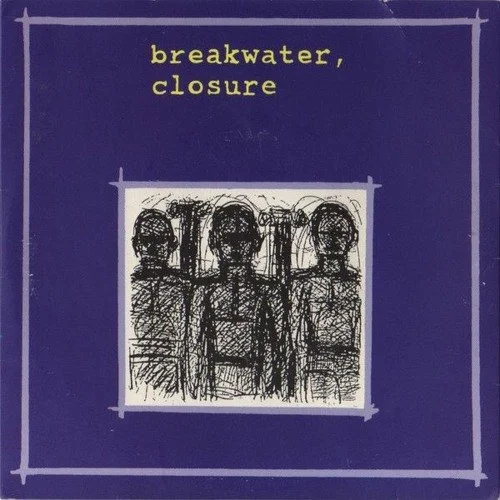
Breakwater / Closure | Connective Tissue 1996
Breakwater
(Victoria, BC, Canada)
Jode Shortreed
Steve Simard
Carey Mercer
Closure
(New York)
Trevor Perry (Vocals)
Adam Gutwein (Guitar)
Mike Treff (Guitar)
Mark Spelbur (Bass)
Dave Spelbur (Drums)
Basic Info:
Release Date: 1996
Label: Mountain Records
Runtime: 9:31
-Breakwater: 7:12
-Closure: 6:44
Tracks: 3
-Breakwater: 1
-Closure: 2
Genres, Influences and Characteristics:
Screamo, Emo, Post-Rock, Melodic, Raw, Dynamic, Lofi
Points on the Timeline:
Almost all of Breakwater’s other material was released in 1995, a demo and a single that contains two songs from the demo. Barring the song Twelve that appears on a comp, this is their only other recorded track. Closure had just formed before this EP dropped and would only last one more year with a full-length album.
Shapes in the Sound:
Melodic, long-form, Post-Rock-driven Screamo with tons of dynamic intensity is found on both sides of this excellent split. Breakwater’s passionate track is a heartbreaking journey of soft vocals and cathartic screams, melodic lead lines and heavy, dissonant chord progressions and devastating crescendos. Closure is a bit more straightforward in their songwriting but features incredibly driving rhythms, heavier production and more bounciness. Though quite contrasted, these two bands complement each other. MAGIC TURTLE!
Threads in the Tapestry:
I initially assumed Victoria was on the East Coast of Canada, which would make sense considering the ties to New York. However, I learned that these two bands were at least 2,500 miles apart, so we’re spanning quite a bit of continent here. Breakwater contributed a track to the same Mountain Records comp as Closure, which is how I imagine they became connected. This split represents cross-country scene building and demonstrates Screamo’s other tendency towards melody and dynamism, compared with some of the heavier bands during this time pushing Emoviolence and other more extreme forms of Screamo.
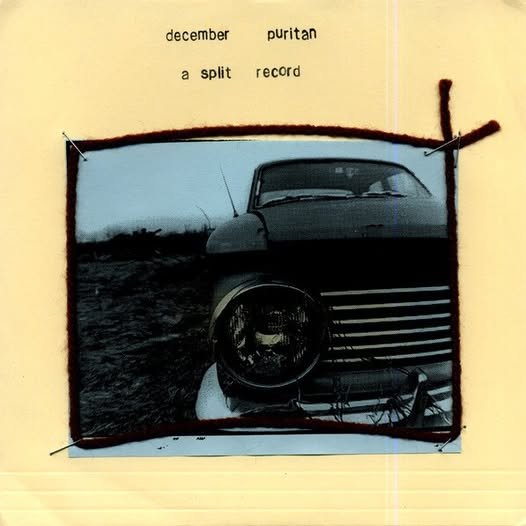
December / Puritan - A Split Record | Connective Tissue 1996
December
(Bethlehem, PA)
Jeremy (Vocals)
Seth (Guitar)
Joe (Guitar)
Dan (Bass)
Matt (Drums)
Puritan
(State College, PA)
Chad Pfeiffer
Demian Fenton
Doug Savour
Tyler Lotz
Vijay Hariharan
Basic Info:
Release Date: 1996
Label: Giving Tree Records
Runtime: 9:31
-December: 4:09
-Puritan: 5:22
Tracks: 4
-December: 2
-Puritan: 2
Genres, Influences and Characteristics:
Screamo, Emoviolence, Metalcore, Dissonant, Aggressive, Dynamic, Noisy
Points on the Timeline:
December’s only known material is on this split, two songs that add up to a little more than four minutes. Meanwhile, Puritan had a rewarding year with a demo and two splits released. However, they’d only release an EP in 1997 before calling it quits.
Shapes in the Sound:
Two similar bands whose style is a cross between the emotive dynamism of Screamo and the more extreme side of Emoviolence, combined with some truly Metalcore chugging riffs. The screams from both bands on this quick split are gnarly and high-pitched while the music is a constant tug-of-war between wailing, dissonant guitar and tense moments of quiet, just waiting for the insanity to ensue.
Threads in the Tapestry:
Emoviolence was just emerging during this year, and this split put a heaping teaspoon of Pennsylvania in the mix, with both bands only within a couple hours’ drive from each other. Although this split didn’t singlehandedly put the state on the map as a Screamo hotbed, it does showcase 10 invaluable minutes of Emoviolence history.
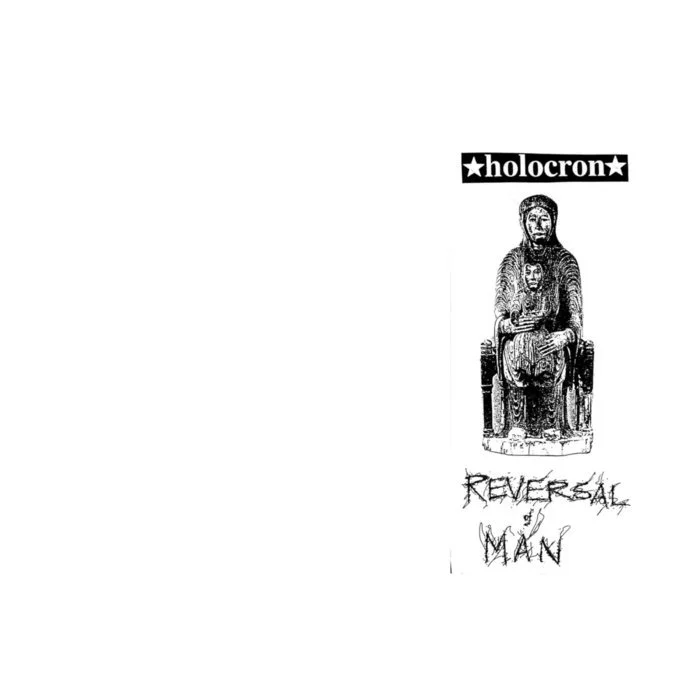
Reversal of Man / Holocron| Connective Tissue 1996
Reversal of Man
(Tampa, FL)
Matt Coplon (Vocals)
Jasen Weitekamp (Guitar)
Jason Crittenden (Guitar)
Jeff Howe (Bass, Vocals)
John Willey (Drums)
Holocron
(Canada)
Ryan Elinsky
Peter Shaughnessy
Ryan Woods
Tyson Howard
Basic Info:
Release Date: 1996
Label: Intention Records
Runtime: 33:28
-Reversal of Man: 19:40
-Holocron: 13:48
Tracks: 11
-Reversal of Man: 6
-Holocron: 8
Genres, Influences and Characteristics:
Screamo, Emoviolence, Hardcore Punk, Dissonant, Punishing
Points on the Timeline:
Holocron is a band whose entire output was released in 1996, the same year of this split. Reversal of Man put in tons of work over 1995 and 1996 to appear in numerous splits and release a couple of EPs. Foundational releases like this split would elevate Reversal of Man in step with Screamo and Emoviolence’s rise to underground prominence. Their most well-regarded works would be released in the near future.
Shapes in the Sound:
Contrasting this with their split with Puritan, Reversal of Man embraced a more deliberate pace and longer songs. Although their take on Emoviolence is still present on this album, RoM take great care in dynamically switching between intimidating, dissonant mid-tempo destruction and an all-out aural assault. Holocron’s half starts and the lower production values are immediately evident, but it’s not a knock against the music. Holocron’s music has more traditional Hardcore elements to it, though they are still achieving the Emoviolence aura.
Threads in the Tapestry:
Emoviolence was born in North America and this split exemplifies this. Floridian and Canadian talent come together from obscurity and at minimum 1,500 miles between them craft a gem worthy of Screamo canon. Although Holocron would remain a curiosity in the genre’s history, Reversal of Man’s epic warpath toward popularizing their brand of emotive Hardcore would continue and be quite fruitful as the genres grew.
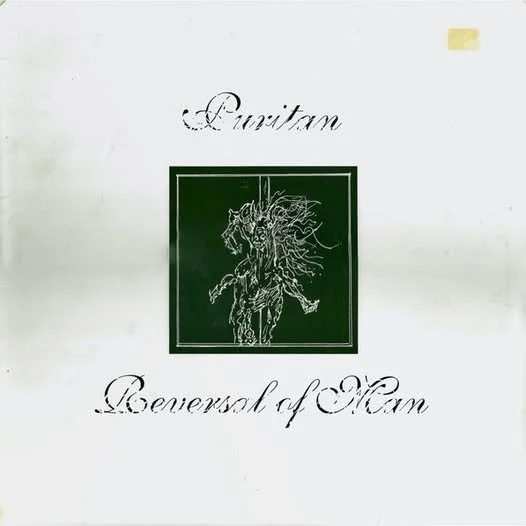
Puritan / Reversal of Man | Connective Tissue 1996
Puritan:
(State College, PA)
Chad PfeifferDemian Fenton
Doug Savour
Tyler Lotz
Vijay Hariharan
Reversal of Man:
(Tampa, FL)
Matt Coplon (Vocals)
Jasen Weitekamp (Guitar)
Jason Crittenden (Guitar)
Jeff Howe (Bass, Vocals)
John Willey (Drums)
Basic Info:
Release Date: 1996
Label: King of the Monsters Records
Runtime: 34:07
-Puritan: 19:07
-Reversal of Man: 15:00
Tracks: 11
-Puritan: 5
-Reversal of Man: 6
Genres, Influences and Characteristics:
Screamo, Emoviolence, Noise Rock, Dissonant, Chaotic
Points on the Timeline:
At the time of release, Puritan was a brand new band with perhaps only a two-song tour demo released to their name. Reversal of Man, on the other hand, had already established themselves the year before across three releases and seven songs. Both artists would release another split this very same year.
Shapes in the Sound:
This split brings two very similar, very violence-oriented bands together, showcasing emotive hardcore’s evolution into Screamo and Emoviolence. Puritan’s punishing tracks emphasize the disparity between dissonance and melody with slower, discordant madness that changes to rapid-fire Emoviolence. By comparison, Reversal of Man is a bit more straightforward in their approach, but every bit of noisiness, dissonance, emotion and dynamism is present. Interestingly, they close their half out with the opener of their s/t EP of the same year, though I’m not sure which came out first.
Threads in the Tapestry:
With Emoviolence (and Screamo as a whole) in its infancy, these two burgeoning artists reached over 1,000 miles across the Atlantic to collaborate on this harrowing full-length split. While neither these tracks nor this split in general was revolutionary in the genre, this release further cemented genre conventions like liberal use of dissonance, quiet-loud dynamics and Powerviolence-like tempo switches.