

Hello, everyone! Welcome to the hub for my Deep Dive project Establishing Screamo Canon: From Chaos to Catharsis! 2025 was the Year of Screamo and, while I didn’t quite get to my goal of covering Screamo from the 90s through 2015, getting through the 90s wound up being a Herculean feat in and of itself. I’m quite proud of this accomplishment! The series will continue indefinitely as I have time for it, but getting it up onto the website was very important. Please refer to the Overview post for more information about the series and the various sub-series within.
Below you can sort by subseries or via a tag cloud, weighing the most commonly-used tags such as artists, release years, record labels, locations, genres and even descriptors! Please keep an eye on this as the series continues! Alternatively, you may use the below search function to find anything you might be interested in reading about within the series. Please note that when you click one of the following links, you will have to scroll past the welcome and navigation sections to access the content.

- Emoviolence
- Dynamic
- Dissonant
- Chaotic
- Frantic
- Melodic
- 1999
- Post-Hardcore
- Raw
- 1997
- Hardcore Punk
- 1998
- Noisy
- 1996
- Emocore
- Florida
- SoCal
- Lofi
- Noise Rock
- Atmospheric
- Metalcore
- Post-Rock
- Midwest Emo
- Energetic
- Grindcore
- Canada
- Complex
- Massachusetts
- Reversal of Man
- Independent
- NorCal
- 1994
- Ebullition Records
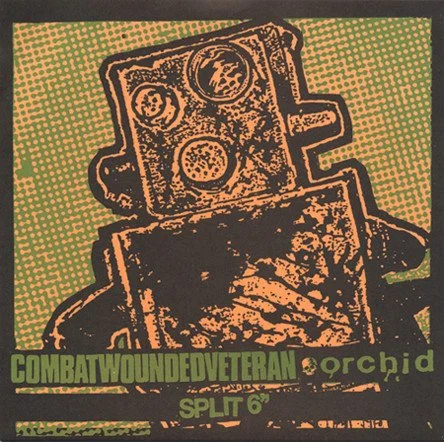
- Orchid
- Manic
- France
- New York
- New Jersey
- Aggressive
- Gravity Records
- Sass
- Mountain Records
- Pennsylvania
- Dark
- Combatwoundedveteran
- Intense
- Witching Hour Records
- The Great American Steak Religion
- Dense
- Cold
- Metallic
- Technical
- Virginia
- Eclectic
- South Carolina
- 1993
- 1992
- Saetia
- Playful
- Three One G Records
- Frenetic
- Math Rock
- Powerviolence
- Indiana
- Driving
- You and I
- Puritan
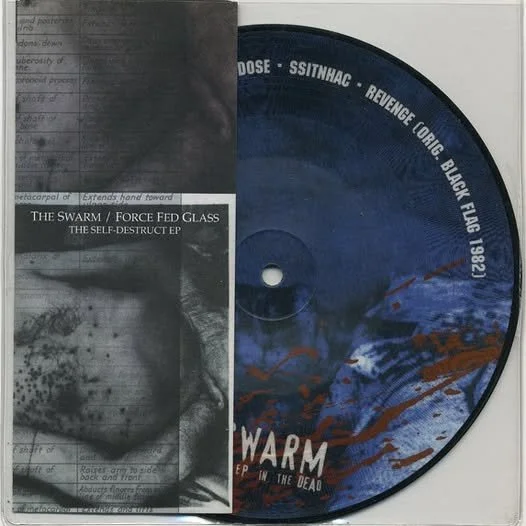
The Swarm / ForceFedGlass - The Self-Destruct EP | Connective Tissue 1999
The Swarm
(Burlington, ON, Canada)
Chris Colohan (Vocals)
Adam Bratt (Guitar)
Christian McMaster (Guitar)
Lou Oliveras (Bass)
Mike Maxymuik (Drums)
ForceFedGlass
(Richmond, VA)
Pat Masteron (Vocals)
Evan Plante (Guitar)
Justin Conlon (Bass)
Ben Koller (Drums)
Basic Info:
Release Date: 1999
Label: The Electric Human Project
Runtime: 6:29
-The Swarm: 3:30
-ForceFedGlass: 2:59
Tracks: 6
-The Swarm: 4
-ForceFedGlass: 2
At a Glance:
Metalcore, Emoviolence, Hardcore Punk, Energetic, Frantic, Punky, Technical
Points on the Timeline:
Both bands formed in the late 90s, releasing the bulk of their discographies before the turn of the century. By 2000, both artists will disband.
Shapes in the Sound:
The Swarm, tangentially related to the Screamo scene by way of guitarist Kyle Bishop, who does vocal duties for fellow Ontarians Grade, plays fairly straightforward Metalcore on here with a few traditional Punk leanings. Somewhat melodic, somewhat driving and brimming with energy and passion, their four tracks breeze through. ForceFedGlass’ two tracks are far more complex, noisier and more dynamic, playing their signature brand of blistering, technical Emoviolence with heavy, slow sections spacing out the chaos.
Threads in the Tapestry:
Although both artists would fizzle out soon after this split was released, it nonetheless catalogs these two distinct Hardcore artists from 550 miles apart at the end of their short-lived musical careers. While neither would be groundbreaking in their genre, they both remain underrated aspects of genres that would leave them behind.
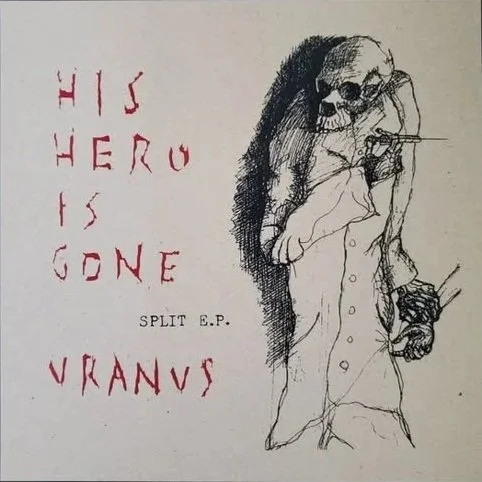
His Hero Is Gone / Uranus - Split E.P. | Connective Tissue 1997
His Hero Is Gone
(Memphis, TN)
Todd Burdette (Guitar, Vocals)
Pat Davis (Guitar)
Carl Auge (Bass, Vocals)
Paul Burdette (Drums)
Uranus
(Ottawa, Ontario, Canada)
Geoff Cousens (Vocals)
Yannick Lorraine (Guitar)
Karl (Guitar)
Matt Bruce (Drums)
Basic Info:
Release Date: 1997
Label: The Great American Steak Religion
Runtime: 23:59-His Hero Is Gone: 9:05
-Uranus: 14:54
Tracks: 11
-His Hero Is Gone: 6
-Uranus: 5
Genres, Influences and Characteristics:
Crust Punk, Screamo, Dark, Aggressive, Dissonant
Points on the Timeline:
After a couple of years as a band producing a demo and an EP, 1997 was a breakout year for Crust Punk legends His Hero Is Gone. Not only did they come out with this split, they released their two landmark LPs in the same year. This would be their hottest year as they’d be broken up before the end of the century. Their contributions on this split would be released under a solo EP called Fool’s Gold a year later. Meanwhile, Uranus was still establishing themselves by ‘97, having only released a demo and a split a few years prior. This would be their last release before their seminal Disaster by Design EP would come out in a year’s time.
Shapes in the Sound:
Although His Hero Is Gone is not a Screamo band by any means, they did release this split with Crust-influenced Screamo band Uranus. The band exemplifies the tropes of the genre to a tee with metallic, down-tuned guitar riffs, pounding D-Beat style drums and a gnarly, gutteral screaming voice. Songs rarely last over one minute and keep a high intensity throughout. Uranus takes many of Crust Punk’s elements, exhibited beautifully by their splitmates, and applies longer song forms, higher-register screaming and more melody.
Threads in the Tapestry:
Although neither side of the split would be considered the bands’ best works, it showcases what Crust Punk is all about and how naturally it can fit into the Screamo formula. These two were on the same side of the continent, but almost 2,000 miles apart. It seems like the spirit of this underappreciated Punk subgenre could not be contained by mere borders.
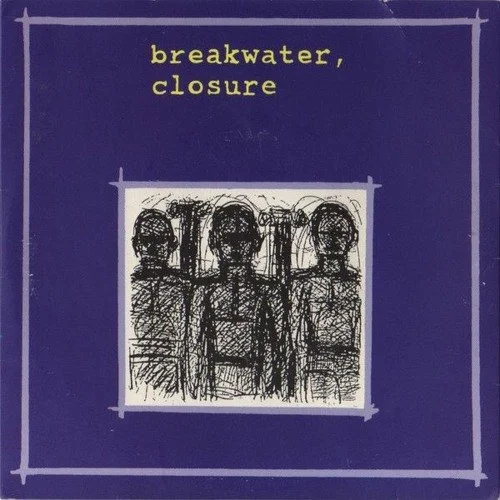
Breakwater / Closure | Connective Tissue 1996
Breakwater
(Victoria, BC, Canada)
Jode Shortreed
Steve Simard
Carey Mercer
Closure
(New York)
Trevor Perry (Vocals)
Adam Gutwein (Guitar)
Mike Treff (Guitar)
Mark Spelbur (Bass)
Dave Spelbur (Drums)
Basic Info:
Release Date: 1996
Label: Mountain Records
Runtime: 9:31
-Breakwater: 7:12
-Closure: 6:44
Tracks: 3
-Breakwater: 1
-Closure: 2
Genres, Influences and Characteristics:
Screamo, Emo, Post-Rock, Melodic, Raw, Dynamic, Lofi
Points on the Timeline:
Almost all of Breakwater’s other material was released in 1995, a demo and a single that contains two songs from the demo. Barring the song Twelve that appears on a comp, this is their only other recorded track. Closure had just formed before this EP dropped and would only last one more year with a full-length album.
Shapes in the Sound:
Melodic, long-form, Post-Rock-driven Screamo with tons of dynamic intensity is found on both sides of this excellent split. Breakwater’s passionate track is a heartbreaking journey of soft vocals and cathartic screams, melodic lead lines and heavy, dissonant chord progressions and devastating crescendos. Closure is a bit more straightforward in their songwriting but features incredibly driving rhythms, heavier production and more bounciness. Though quite contrasted, these two bands complement each other. MAGIC TURTLE!
Threads in the Tapestry:
I initially assumed Victoria was on the East Coast of Canada, which would make sense considering the ties to New York. However, I learned that these two bands were at least 2,500 miles apart, so we’re spanning quite a bit of continent here. Breakwater contributed a track to the same Mountain Records comp as Closure, which is how I imagine they became connected. This split represents cross-country scene building and demonstrates Screamo’s other tendency towards melody and dynamism, compared with some of the heavier bands during this time pushing Emoviolence and other more extreme forms of Screamo.
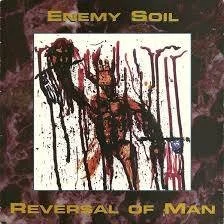
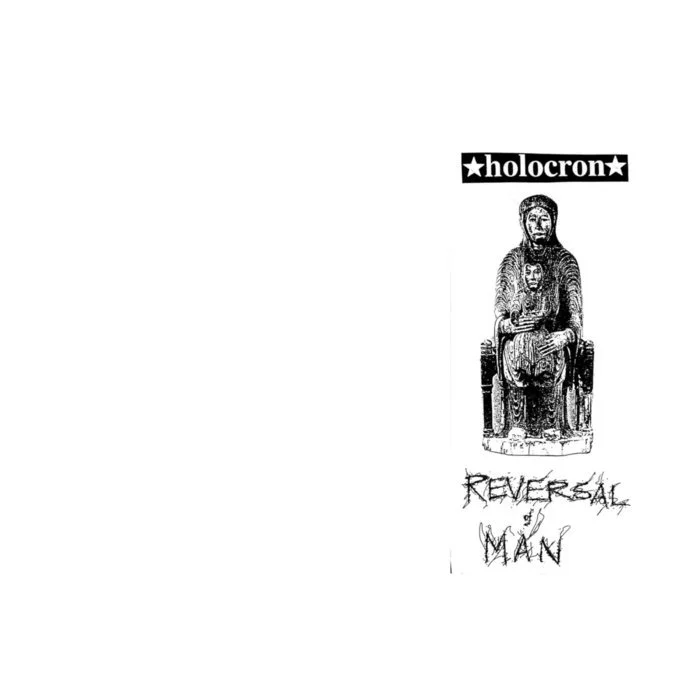
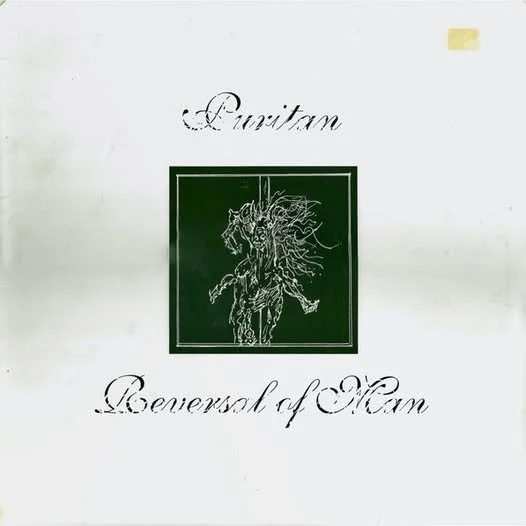
Reversal of Man / Holocron| Connective Tissue 1996
Reversal of Man
(Tampa, FL)
Matt Coplon (Vocals)
Jasen Weitekamp (Guitar)
Jason Crittenden (Guitar)
Jeff Howe (Bass, Vocals)
John Willey (Drums)
Holocron
(Canada)
Ryan Elinsky
Peter Shaughnessy
Ryan Woods
Tyson Howard
Basic Info:
Release Date: 1996
Label: Intention Records
Runtime: 33:28
-Reversal of Man: 19:40
-Holocron: 13:48
Tracks: 11
-Reversal of Man: 6
-Holocron: 8
Genres, Influences and Characteristics:
Screamo, Emoviolence, Hardcore Punk, Dissonant, Punishing
Points on the Timeline:
Holocron is a band whose entire output was released in 1996, the same year of this split. Reversal of Man put in tons of work over 1995 and 1996 to appear in numerous splits and release a couple of EPs. Foundational releases like this split would elevate Reversal of Man in step with Screamo and Emoviolence’s rise to underground prominence. Their most well-regarded works would be released in the near future.
Shapes in the Sound:
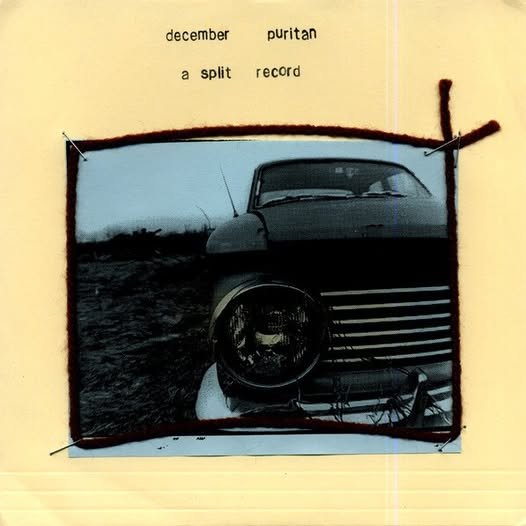
Contrasting this with their split with Puritan, Reversal of Man embraced a more deliberate pace and longer songs. Although their take on Emoviolence is still present on this album, RoM take great care in dynamically switching between intimidating, dissonant mid-tempo destruction and an all-out aural assault. Holocron’s half starts and the lower production values are immediately evident, but it’s not a knock against the music. Holocron’s music has more traditional Hardcore elements to it, though they are still achieving the Emoviolence aura.
Threads in the Tapestry:
Emoviolence was born in North America and this split exemplifies this. Floridian and Canadian talent come together from obscurity and at minimum 1,500 miles between them craft a gem worthy of Screamo canon. Although Holocron would remain a curiosity in the genre’s history, Reversal of Man’s epic warpath toward popularizing their brand of emotive Hardcore would continue and be quite fruitful as the genres grew.
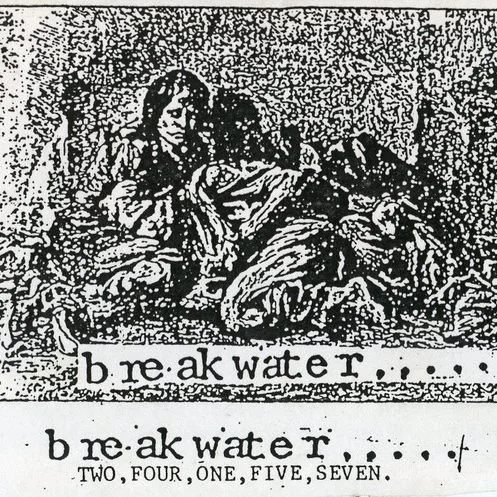
Breakwater - Demo | The Shape of Screamo to Come
Release Information:
1995
Independent
Victoria, BC, Canada
Runtime: 25:12
Tracks: 5
Band Members:
Jode Shortreed
Steve Simard
Dave Truscott
Dave Wenger
Genres, Influences and Characteristics:
Screamo, Post-Hardcore, Post-Rock, Midwest Emo, Lofi, Dynamic, Atmospheric, Cold
Musical Analysis:
Despite its less-than-ideal recording conditions, Breakwater’s Demo showcases a potent Punk cocktail of Screamo, Post-Hardcore, Post-Rock and Midwest Emo, many of these genres in their infancy. Extended instrumental passages of twinkly arpeggios comprise the bulk of the softer, quieter sections, acting as a depressive glue for the fiercer, louder moments. The interplay between these intensities is as suffocating and disorienting as it is beautiful, and with each song averaging just over five minutes, there’s lots of room for each track to breathe and reach its destination naturally.
Historical Analysis:
Straddling the line between burgeoning genres like Screamo and Midwest Emo, their eclectic mix is fairly common now, but in 1995, this was revolutionary. If anything, this release showcases the shared history of all Emo subgenres and their connection to Post-Hardcore and Hardcore Punk. In that sense, this obscure Canadian collection of songs is a revolutionary album, despite being lesser-known than their Five / Seven single (which are both on this demo). Introducing lengthy Post-Rock elements was also quite novel, though it would become genre-defining in just a few short years.
Lyrical Analysis:
Breakwater's straightforward and frank lyrics may not seem all that special at first glance, but spouting such introspective rhetoric wasn't hugely common, at least without some social or political underpinnings. That isn’t to say the songs are apolitical, rather they focus on the personal side of generational hardships, helplessness, corrosive love and even the sting of truth. Their directness and sincerity make the lyrics digestible for almost anyone who listens.
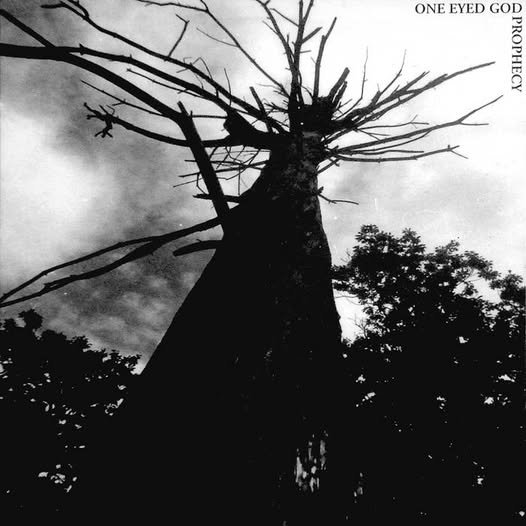
One Eyed God Prophecy - One Eyed God Prophecy | The Shape of Screamo to Come
Release Information:
1995
The Great American Steak Religion Records
Sherbrooke, QC, Canada
Runtime: 33:00
Tracks: 7
Band Members:
Dom Poulin (Vocals)
Seb Philbert (Guitar)
Ugo Desgreniers (Guitar)
Alex Bibeau (Bass)
J-P Dionne (Drums)
Genres, Influences and Characteristics:
Screamo, Sludge Metal, Noise Rock, Dark, Atmospheric, Dense, Crusty
Musical Analysis:
This album sounds EVIL. There’s a sinister air to the songs on this record, exhibited perfectly by the intimidating intro song. However, judging this album based on the heavy, dark first track would belie the dynamism and atmosphere that the album takes time to establish. The fuzzy guitar tones make them sound insurmountable during moments of musical mayhem, though the clean twinkly sections that plague this release are as serene as they come. The drums are consistent and are played exactly as they’re needed in the moment, whether that’s burning the house down with Emoviolence-esque chaos or building atmosphere with spaced-out cymbals. The harrowing vocal performance is definitely high-register, though it is fairly low in the mix.
Historical Analysis:
Despite only being a cult favorite in Screamo, the influence this release has had cannot be understated. Few Screamo albums before this emphasized cultivating an atmospheric sound rather than aiming strictly for brutality and heaviness. Additionally, OEGP sneaked high-class musicianship into the equation, adding to the chaos and technicality that would soon become commonplace. Although Sludge and Crust influences in Screamo were never omnipotent, enough artists from the 90s til now owe their livelihood to what this album accomplished.
Lyrical Analysis:
Despite the obscurity of the screamed lyrics, the emotional veracity and intensity is never lost by the vocal performance or the words themselves. One Eyed God Prophecy blends social critique, existential dread and emotional vulnerability into an explosive cocktail of poetry and prose. The singer desperately searches for authenticity in a world of greed and falsehoods, though he invokes personal responsibility to solve the problem. He criticizes Capitalism for destroying the ecosystem, but also for destroying local communities and alienating us. He even speaks about the desperate dance of hope and despair, romantic longing and generational tension, just to name a few of the many thematic subjects brought forth. This varied commentary on the human condition and the sociopolitical climate behind it would become a staple of Screamo in the 90s into the early 00s.