

Hello, everyone! Welcome to the hub for my Deep Dive project Establishing Screamo Canon: From Chaos to Catharsis! 2025 was the Year of Screamo and, while I didn’t quite get to my goal of covering Screamo from the 90s through 2015, getting through the 90s wound up being a Herculean feat in and of itself. I’m quite proud of this accomplishment! The series will continue indefinitely as I have time for it, but getting it up onto the website was very important. Please refer to the Overview post for more information about the series and the various sub-series within.
Below you can sort by subseries or via a tag cloud, weighing the most commonly-used tags such as artists, release years, record labels, locations, genres and even descriptors! Please keep an eye on this as the series continues! Alternatively, you may use the below search function to find anything you might be interested in reading about within the series. Please note that when you click one of the following links, you will have to scroll past the welcome and navigation sections to access the content.

- Emoviolence
- Dynamic
- Dissonant
- Chaotic
- Frantic
- Melodic
- 1999
- Post-Hardcore
- Raw
- 1997
- Hardcore Punk
- 1998
- Noisy
- 1996
- Emocore
- Florida
- SoCal
- Lofi
- Noise Rock
- Atmospheric
- Metalcore
- Post-Rock
- Midwest Emo
- Energetic
- Grindcore
- Canada
- Complex
- Massachusetts
- Reversal of Man
- Independent
- NorCal
- 1994
- Ebullition Records
- Orchid
- Manic
- France
- New York
- New Jersey
- Aggressive
- Gravity Records
- Sass
- Mountain Records
- Pennsylvania
- Dark
- Combatwoundedveteran
- Intense
- Witching Hour Records
- The Great American Steak Religion
- Dense
- Cold
- Metallic
- Technical
- Virginia
- Eclectic
- South Carolina
- 1993
- 1992
- Saetia
- Playful
- Three One G Records
- Frenetic
- Math Rock
- Powerviolence
- Indiana
- Driving
- You and I
- Puritan
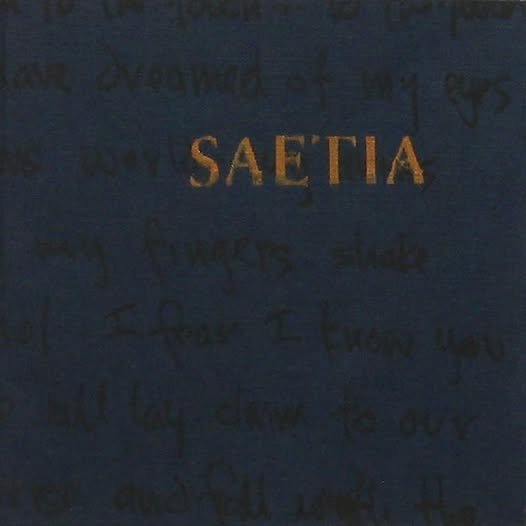
Saetia - Saetia | Screamo Hall of Fame Class of 1998 Inductee
Release Information:
1998
Mountain Records
New York, NY
Runtime: 28:45
Tracks: 9
Band Members:
Billy Werner - Vocals
Adam Marino - Guitar
Jaime Behar - Guitar
Colin Bartoldus - Bass
Gregory Drudy - Drums
Genres, Influences and Characteristics:
Screamo, Midwest Emo, Math Rock, Complex, Dynamic, Melodic, Raw, Aggressive
Musical Analysis:
Coming a year off the heels of their revered demo, Saetia’s 1998 s/t LP is a revelation of Screamo music, taking their formula and supercharging it. The dynamic song forms return with more intensity than ever, balancing perfectly with the softer melodic parts of the album. Introduced in this release are strong Math Rock influences, giving their songs more unpredictability, varying odd time signatures, rhythmic complexity and an overall higher level of technicality than ever. This intricacy adds even more dynamism to their songs, emphasizing the poignant melodies and depravity more than before.
Historical Analysis:
The opening salvo of their discography was a monumental step forward for Screamo, but this album is perhaps one of the most influential works in the genre's history. This bold statement basically defined what Screamo would sound like at its peak and turned the somewhat silly subgenre into one capable of high art. The final shackles of Hardcore Punk and Post-Hardcore that held the genre together early on have evaporated and Screamo genre conventions were truly their own.
This album is the blueprint for which countless Screamo bands took inspiration, even if we’d have to work through a few more years of Emoviolence prominence before Saetia’s influence would be the defining sound. Besides this legendary status, the music itself is exceptional and would likely qualify for the Screamo Hall of Fame even without its legacy.
Lyrical Analysis:
Saetia fully embraces nihilism on this s/t. From just the title of the first song, the band reflects on how language is a lie we use to deceive ourselves, the destructive power of words and the failure of human systems. It sure seems like personal and collective misery is at the forefront of their lyrical themes, but their nihilistic worldview cuts both ways: sure, words are a lie and they tend to destroy relationships, but they also compose art - and art is a divine struggle. Yes, relationships can fail and you can subsequently fall, but there is power in rising above. Of course, the body exists as a tool of self-hatred and a reminder of our temporary mortal condition, but there is freedom in the emptiness. These are among the most poetic and artistic lyrics in the entire genre to this point.
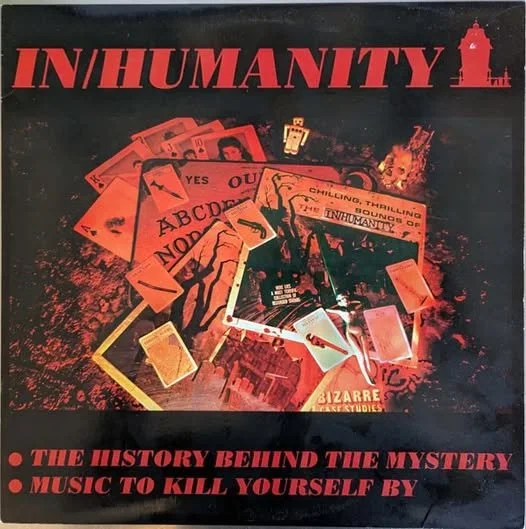
In/Humanity - The History Behind the Mystory: Music to Kill Yourself By | SCreamo Hall of Fame Class of 1997 Nominee
Release Information:
1997
Mountain Records
Columbia, SC (Southeast)
Runtime: 38:45
Tracks: 13
Band Members:
Chris Bickel (Vocals)
Paul Swanson (Guitar)
Will Zaledeski (Bass)
Ben Roth (Drums)
Genres, Influences and Characteristics:
Emoviolence, Chaotic, Atmospheric, Frantic, Abstract, Dissonant
Musical Analysis:
In/Humanity once again innovatively iterate on the Emoviolence formula, doubling down on the musical chaos, freneticism and experimentation. The album begins with longer-than-average songs for this band, some of which are over three minutes in length. They showcase the dichotomous quiet-loud dynamics In/Humanity helped establish in years prior but with a certain atmosphere and formlessness not found anywhere else in their discography. Almost half of the album is part of a 15-minute song slapped right in the middle, muddying the shapeliness of this album with the band more-or-less fooling around.
Historical Analysis
With their second and final LP, In/Humanity firmly establishes themselves as one of the most prolific early Emoviolence outfits out there. Each LP and EP shapes the blooming genre in its own way. The History Behind the Mystery approaches the genre with an experimental eye, using abstract song structures, atmosphere and even more carelessness than ever before. Although this was an important album in the formation of Emoviolence, the statement made is more relevant to In/Humanity as a band than to the genre as a whole, hence its nominee status.
Lyrical Analysis:
*Please note that due to the obscurity of some of these tracks, I wasn’t able to find lyrics for 3-4 songs. Regardless, because there’s so much other lyrical material to analyze, I’ll be focusing on those. If I can dig up more lyrics, I’ll consider giving this a quick redo.*
Reaching absurd levels of satire, crudeness and general carelessness, In/Humanity’s lyrics are nonetheless biting and aimed at society’s many, MANY problems. From questioning the glorification of authority, the blindness of justice and the performative rebellion of Punk culture to hurting the ones you love, dehumanization and the futility of artistic expression. In true late 90s Screamo fashion, In/Humanity’s lyrics express both personal anguish and dissatisfaction with the world around them.
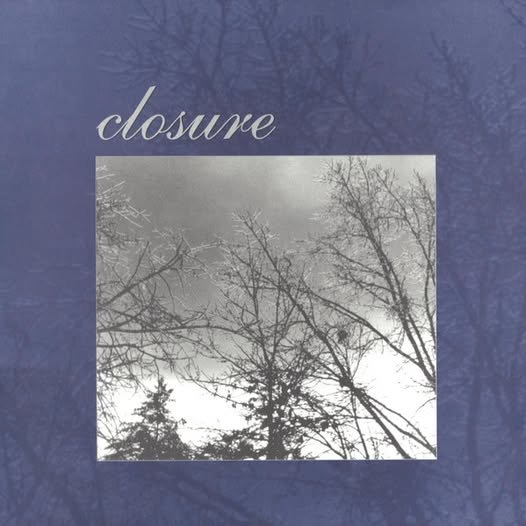
Closure - Closure | Screamo Hall of Fame Class of 1997 Nominee
Release Information:
1997
Mountain Records
New York
Runtime: 31:31
Tracks: 6
Band Members:
Trevor Perry (Vocals)
Adam Gutwein (Guitar)
Mike Treff (Guitar)
Mark Spelbur (Bass)
Dave Spelbur (Drums)
Genres, Influences and Characteristics:
Screamo, Post-Rock, Cold, Melodic, Dynamic
Musical Analysis:
Closure's self-titled album represents the best tropes of late 90s Screamo, showcasing a dynamic mix of chilling, atmospheric instrumental sections of quiet melody, masterfully-crafted tense buildups and powerful, cathartic crescendos. Trevor’s gnarly screams add emotional depth to the songs, imparting unto the listener every ounce of pain that he’s internalized.
Historical Analysis:
Although quite obscure in the grand scheme of Screamo Canon, Closure’s one and only LP stands the test of time as an early example of Post-Rock creeping its way into Screamo music, in a similar vein to Portraits of Past and Breakwater (with whom they performed on a split with). Though this album predates some of the later classics with Post-Rock leanings, its niche popularity means not enough people were influenced by this incredible album to earn its place in the Hall.
Lyrical Analysis:
Closure keeps the lyrics simple to ensure the potent messages are digestible by all, despite the incomprehensibility of the vocalist at times. Utilizing short bits of prose and simply-structured poetic lyrics, themes of religious hypocrisy, abuse of power and the dehumanizing nature of work are solemnly explored. The doom and gloom lead to catharsis, though, with a rallying cries against willful ignorance, in favor of feeling genuine human emotion and pain, and to seek your own meaning in life.
Breakwater / Closure | Connective Tissue 1996
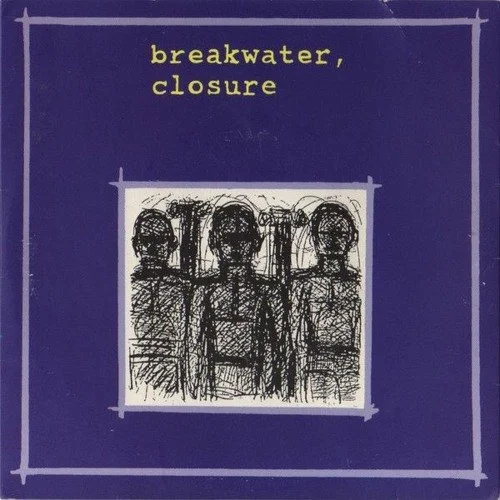
Breakwater
(Victoria, BC, Canada)
Jode Shortreed
Steve Simard
Carey Mercer
Closure
(New York)
Trevor Perry (Vocals)
Adam Gutwein (Guitar)
Mike Treff (Guitar)
Mark Spelbur (Bass)
Dave Spelbur (Drums)
Basic Info:
Release Date: 1996
Label: Mountain Records
Runtime: 9:31
-Breakwater: 7:12
-Closure: 6:44
Tracks: 3
-Breakwater: 1
-Closure: 2
Genres, Influences and Characteristics:
Screamo, Emo, Post-Rock, Melodic, Raw, Dynamic, Lofi
Points on the Timeline:
Almost all of Breakwater’s other material was released in 1995, a demo and a single that contains two songs from the demo. Barring the song Twelve that appears on a comp, this is their only other recorded track. Closure had just formed before this EP dropped and would only last one more year with a full-length album.
Shapes in the Sound:
Melodic, long-form, Post-Rock-driven Screamo with tons of dynamic intensity is found on both sides of this excellent split. Breakwater’s passionate track is a heartbreaking journey of soft vocals and cathartic screams, melodic lead lines and heavy, dissonant chord progressions and devastating crescendos. Closure is a bit more straightforward in their songwriting but features incredibly driving rhythms, heavier production and more bounciness. Though quite contrasted, these two bands complement each other. MAGIC TURTLE!
Threads in the Tapestry:
I initially assumed Victoria was on the East Coast of Canada, which would make sense considering the ties to New York. However, I learned that these two bands were at least 2,500 miles apart, so we’re spanning quite a bit of continent here. Breakwater contributed a track to the same Mountain Records comp as Closure, which is how I imagine they became connected. This split represents cross-country scene building and demonstrates Screamo’s other tendency towards melody and dynamism, compared with some of the heavier bands during this time pushing Emoviolence and other more extreme forms of Screamo.