

Hello, everyone! Welcome to the hub for my Deep Dive project Establishing Screamo Canon: From Chaos to Catharsis! 2025 was the Year of Screamo and, while I didn’t quite get to my goal of covering Screamo from the 90s through 2015, getting through the 90s wound up being a Herculean feat in and of itself. I’m quite proud of this accomplishment! The series will continue indefinitely as I have time for it, but getting it up onto the website was very important. Please refer to the Overview post for more information about the series and the various sub-series within.
Below you can sort by subseries or via a tag cloud, weighing the most commonly-used tags such as artists, release years, record labels, locations, genres and even descriptors! Please keep an eye on this as the series continues! Alternatively, you may use the below search function to find anything you might be interested in reading about within the series. Please note that when you click one of the following links, you will have to scroll past the welcome and navigation sections to access the content.

- Emoviolence
- Dynamic
- Dissonant
- Chaotic
- Frantic
- Melodic
- 1999
- Post-Hardcore
- Raw
- 1997
- Hardcore Punk
- 1998
- Noisy
- 1996
- Emocore
- Florida
- SoCal
- Lofi
- Noise Rock
- Atmospheric
- Metalcore
- Post-Rock
- Midwest Emo
- Energetic
- Grindcore
- Canada
- Complex
- Massachusetts
- Reversal of Man
- Independent
- NorCal
- 1994
- Ebullition Records
- Orchid
- Manic
- France
- New York
- New Jersey
- Aggressive
- Gravity Records
- Sass
- Mountain Records
- Pennsylvania
- Dark
- Combatwoundedveteran
- Intense
- Witching Hour Records
- The Great American Steak Religion
- Dense
- Cold
- Metallic
- Technical
- Virginia
- Eclectic
- South Carolina
- 1993
- 1992
- Saetia
- Playful
- Three One G Records
- Frenetic
- Math Rock
- Powerviolence
- Indiana
- Driving
- You and I
- Puritan
1996: The State of Screamo
Screamo. In all of my research, I could not find a definitive answer as to when this term was first put to use, even if the building blocks for the genre were arguably solidified during the year 1996. Much like “Emo,” it was likely a derogatory term before it became truly associated with the genre. Regardless, a few prominent scenes had already sprung up, many from adjacent Hardcore scenes. Southern California, New Jersey, France and Germany had established themselves as strongholds for this emerging sound, but by 1996, more local scenes were growing, such as Pennsylvania, Florida and Northern California.
Snapshot
Hall of Fame Inductee:
Portraits of Past - 01010101
Hall of Fame Nominees:
In/Humanity - The Nutty Antichrist
Sidekick Kato - 1st Class Chump
Reversal of Man - S/T
Combatwoundedveteran - 11 Song 7”
Guyver-One - S/T
Connective Tissue:
Puritan / Reversal of Man
Reversal of Man / Holocron
December / Puritan
Breakwater / Closure
Holy Grails:
Finger Print - Discography
Additional Releases:
Bombs Lullabye - In the Event That I Do Not Succeed at Anything, Please, Throw My Body in a Ditch and Destroy My Fingerprints, Pulverize My Teeth; Erase Every Trace of My Existence... Let Me Succeed at Death: Let Me Become Whole, and Forgotten
Honeywell - Electric Kool Aid
envy - Breathing and Dying in This Place…
Holocron - Celestial Sphere
Grade - And Such Is Progress
Emoviolence Emerges
Again, the term Emoviolence had yet to be coined, but the artists in the scene were making incredible musical strides. It seemed true social and political discourse in Hardcore music needed the music itself to be more extreme, more emotional, more brazen than ever before. So bands like Combatwoundedveteran and In/Humanity began taking cues from other Hardcore subgenres like Powerviolence and Grindcore. Utilizing the dynamism and ferocity of those two, respectively, these early Emoviolence purveyors upped the ante on rhythmic chaos even further than bands like Honeywell and Mohinder had previously. Fortunately, this wasn't restricted to one or two small regions and was catching fire across the US.
Caring Sounds Like Not Caring
For years to this point, there was a sense of sarcasm, carelessness and youthful irony to Emo and Hardcore music, exhibited especially in ridiculous song titles. By 1996, early Screamo lyrics veered largely toward political and social issues while exploring the personal consequences of them, but notably utilized tons of satire, crude diction and absurd lyrics and metaphors to undercut the extreme vitriol and hopelessness with humor. It seems ironic to examine some of the most harrowing themes and topics with such a lyrical approach, but the juxtaposition actually helps the listener digest the message, especially the youth, the heart of this scene.
A Silly Side of Sasscore
I won’t be comprehensively covering Sass in this series, but the history of this whacky subgenre is inextricably tied to Screamo, starting with arguably the first Sass release ever from Antioch Arrow. Aaron Montaigne’s “outsider” approach to Hardcore led to an eccentric side-movement away from (but related to) Screamo. By 1996, AA were contemporaries with Brainiac, D-Plan and The VSS. Expect to see a few more mentions to Sass throughout this series.
The Future of Screamo Previewed
Emoviolence was coming into prominence in 1996 with a diverse array of strong showings, but the overall trajectory of the genre was experimentation. Few albums showcased this better in 1996 than Portrait of Past’s seminal 01010101, even if it didn’t quite light the world on fire until years later. Regardless, the album’s incorporation of Post-Rock was novel, especially in the long-form songs brimming with atmosphere and extended instrumental passages. This formula would take about five-to-six years to truly take over the Screamo world, but Portraits of Past would be the earliest reference point.
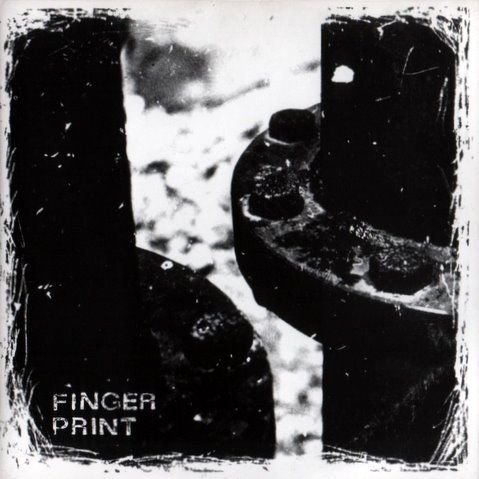
Finger Print - Discography | Holy Grails 1996
The Artifact:
1996
Stonehenge Records
Runtime: 1:03:32
Tracks: 19
Artifact Characteristics:
Screamo, Hardcore Punk, Metalcore, Driving, Raw, Dynamic
Artifact Archeologists:
Nicolas Fisseau (Vocals)
Christophe Mora (Guitar, Vocals)
Thomas Guillanton (Bass)
Jérôme Bessout (Drums)
Artifact Contents:
Every track from their 1993 S/T
Every track from their 1994 S/T
Three original tracks
Four tracks from various comps
Two live recordings
Artifact Echoes:
Despite only being active for two years, Finger Print was a surprisingly prolific band. Though very influenced by the straightforward nature of early 90s Hardcore, Finger Print was one of the first artists in Europe to add such a level of dynamism and melody to their songs, incorporating acoustic guitars and intensity switches. Following closely behind the gnarly emotive screeches from the vocalist is a chugging guitar that breaks things up with some early Metalcore riffage. The further into this comp you get, the stronger the presence of melody is, marrying it with the aggression you’d expect to find in Hardcore. Refreshingly, the bassist is quite prominent in the mix, giving the songs a sense of immediacy and danger. The two EPs are both great, showcasing the band’s evolution as they helped shape Screamo history, though the comp tracks, original tracks and even the live versions (although quite roughly recorded) are all recommended.
Artifact Legacy:
While obscure, Finger Print was one of the originators of Screamo, not just in Europe but globally. Their brand of melody-and-riff-infused Hardcore would give credence to the upcoming sound of Screamo. Emotional intensity, quiet-loud dynamics and surprisingly-crisp production make this primitive Screamo record endlessly replayable, even in the modern day. Their influence can be heard in genre contemporaries like Anomie, Carol, Ivich and beyond. Once they disbanded, Christophe Mora would form obscure-but-influential Screamo band Jasemine.
Artifact Value:
This was originally released on CD in France and, despite its obscurity, is relatively cheap to import. Interestingly, this also came out as a cassette in Southwest Asia, with that version also being affordable but even harder to come by.
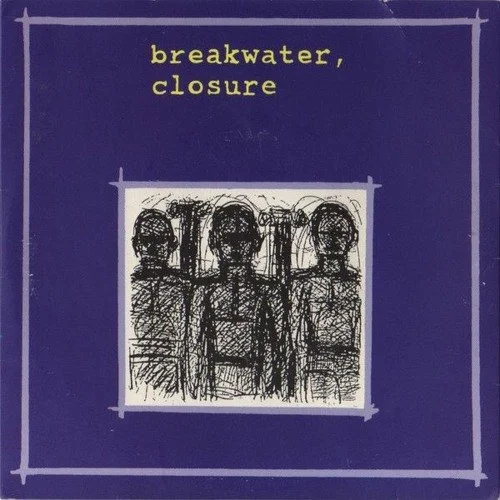
Breakwater / Closure | Connective Tissue 1996
Breakwater
(Victoria, BC, Canada)
Jode Shortreed
Steve Simard
Carey Mercer
Closure
(New York)
Trevor Perry (Vocals)
Adam Gutwein (Guitar)
Mike Treff (Guitar)
Mark Spelbur (Bass)
Dave Spelbur (Drums)
Basic Info:
Release Date: 1996
Label: Mountain Records
Runtime: 9:31
-Breakwater: 7:12
-Closure: 6:44
Tracks: 3
-Breakwater: 1
-Closure: 2
Genres, Influences and Characteristics:
Screamo, Emo, Post-Rock, Melodic, Raw, Dynamic, Lofi
Points on the Timeline:
Almost all of Breakwater’s other material was released in 1995, a demo and a single that contains two songs from the demo. Barring the song Twelve that appears on a comp, this is their only other recorded track. Closure had just formed before this EP dropped and would only last one more year with a full-length album.
Shapes in the Sound:
Melodic, long-form, Post-Rock-driven Screamo with tons of dynamic intensity is found on both sides of this excellent split. Breakwater’s passionate track is a heartbreaking journey of soft vocals and cathartic screams, melodic lead lines and heavy, dissonant chord progressions and devastating crescendos. Closure is a bit more straightforward in their songwriting but features incredibly driving rhythms, heavier production and more bounciness. Though quite contrasted, these two bands complement each other. MAGIC TURTLE!
Threads in the Tapestry:
I initially assumed Victoria was on the East Coast of Canada, which would make sense considering the ties to New York. However, I learned that these two bands were at least 2,500 miles apart, so we’re spanning quite a bit of continent here. Breakwater contributed a track to the same Mountain Records comp as Closure, which is how I imagine they became connected. This split represents cross-country scene building and demonstrates Screamo’s other tendency towards melody and dynamism, compared with some of the heavier bands during this time pushing Emoviolence and other more extreme forms of Screamo.
December / Puritan - A Split Record | Connective Tissue 1996
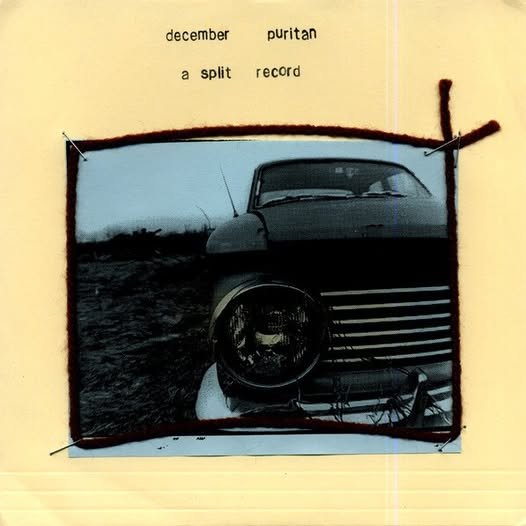
December
(Bethlehem, PA)
Jeremy (Vocals)
Seth (Guitar)
Joe (Guitar)
Dan (Bass)
Matt (Drums)
Puritan
(State College, PA)
Chad Pfeiffer
Demian Fenton
Doug Savour
Tyler Lotz
Vijay Hariharan
Basic Info:
Release Date: 1996
Label: Giving Tree Records
Runtime: 9:31
-December: 4:09
-Puritan: 5:22
Tracks: 4
-December: 2
-Puritan: 2
Genres, Influences and Characteristics:
Screamo, Emoviolence, Metalcore, Dissonant, Aggressive, Dynamic, Noisy
Points on the Timeline:
December’s only known material is on this split, two songs that add up to a little more than four minutes. Meanwhile, Puritan had a rewarding year with a demo and two splits released. However, they’d only release an EP in 1997 before calling it quits.
Shapes in the Sound:
Two similar bands whose style is a cross between the emotive dynamism of Screamo and the more extreme side of Emoviolence, combined with some truly Metalcore chugging riffs. The screams from both bands on this quick split are gnarly and high-pitched while the music is a constant tug-of-war between wailing, dissonant guitar and tense moments of quiet, just waiting for the insanity to ensue.
Threads in the Tapestry:
Emoviolence was just emerging during this year, and this split put a heaping teaspoon of Pennsylvania in the mix, with both bands only within a couple hours’ drive from each other. Although this split didn’t singlehandedly put the state on the map as a Screamo hotbed, it does showcase 10 invaluable minutes of Emoviolence history.
Reversal of Man / Holocron| Connective Tissue 1996
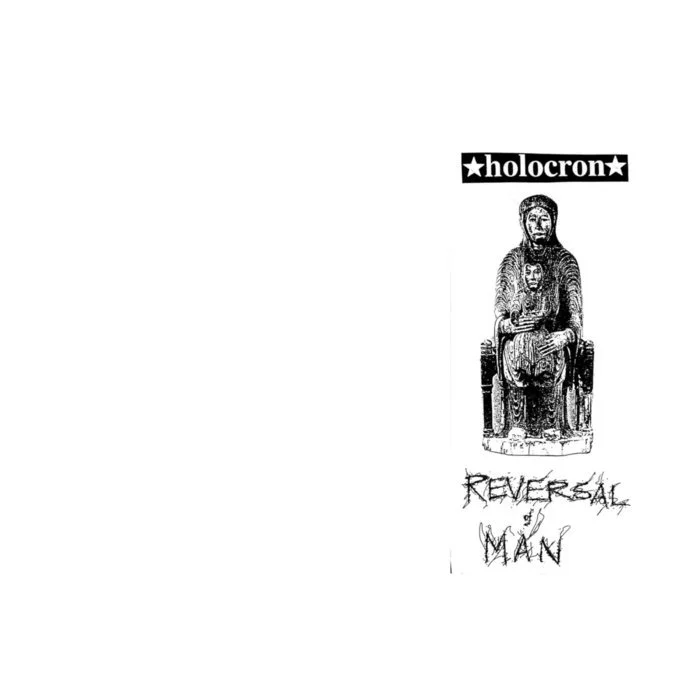
Reversal of Man
(Tampa, FL)
Matt Coplon (Vocals)
Jasen Weitekamp (Guitar)
Jason Crittenden (Guitar)
Jeff Howe (Bass, Vocals)
John Willey (Drums)
Holocron
(Canada)
Ryan Elinsky
Peter Shaughnessy
Ryan Woods
Tyson Howard
Basic Info:
Release Date: 1996
Label: Intention Records
Runtime: 33:28
-Reversal of Man: 19:40
-Holocron: 13:48
Tracks: 11
-Reversal of Man: 6
-Holocron: 8
Genres, Influences and Characteristics:
Screamo, Emoviolence, Hardcore Punk, Dissonant, Punishing
Points on the Timeline:
Holocron is a band whose entire output was released in 1996, the same year of this split. Reversal of Man put in tons of work over 1995 and 1996 to appear in numerous splits and release a couple of EPs. Foundational releases like this split would elevate Reversal of Man in step with Screamo and Emoviolence’s rise to underground prominence. Their most well-regarded works would be released in the near future.
Shapes in the Sound:
Contrasting this with their split with Puritan, Reversal of Man embraced a more deliberate pace and longer songs. Although their take on Emoviolence is still present on this album, RoM take great care in dynamically switching between intimidating, dissonant mid-tempo destruction and an all-out aural assault. Holocron’s half starts and the lower production values are immediately evident, but it’s not a knock against the music. Holocron’s music has more traditional Hardcore elements to it, though they are still achieving the Emoviolence aura.
Threads in the Tapestry:
Emoviolence was born in North America and this split exemplifies this. Floridian and Canadian talent come together from obscurity and at minimum 1,500 miles between them craft a gem worthy of Screamo canon. Although Holocron would remain a curiosity in the genre’s history, Reversal of Man’s epic warpath toward popularizing their brand of emotive Hardcore would continue and be quite fruitful as the genres grew.
Puritan / Reversal of Man | Connective Tissue 1996
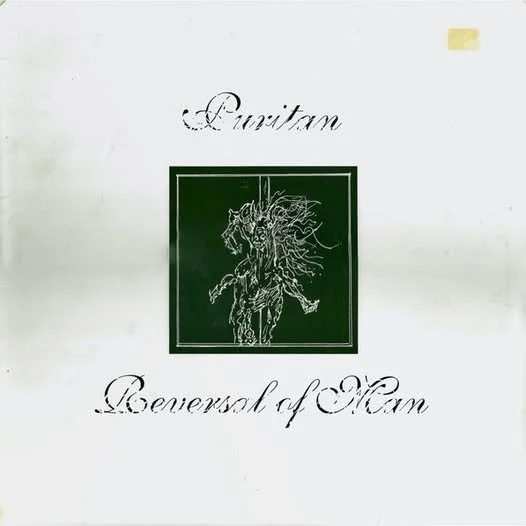
Puritan:
(State College, PA)
Chad PfeifferDemian Fenton
Doug Savour
Tyler Lotz
Vijay Hariharan
Reversal of Man:
(Tampa, FL)
Matt Coplon (Vocals)
Jasen Weitekamp (Guitar)
Jason Crittenden (Guitar)
Jeff Howe (Bass, Vocals)
John Willey (Drums)
Basic Info:
Release Date: 1996
Label: King of the Monsters Records
Runtime: 34:07
-Puritan: 19:07
-Reversal of Man: 15:00
Tracks: 11
-Puritan: 5
-Reversal of Man: 6
Genres, Influences and Characteristics:
Screamo, Emoviolence, Noise Rock, Dissonant, Chaotic
Points on the Timeline:
At the time of release, Puritan was a brand new band with perhaps only a two-song tour demo released to their name. Reversal of Man, on the other hand, had already established themselves the year before across three releases and seven songs. Both artists would release another split this very same year.
Shapes in the Sound:
This split brings two very similar, very violence-oriented bands together, showcasing emotive hardcore’s evolution into Screamo and Emoviolence. Puritan’s punishing tracks emphasize the disparity between dissonance and melody with slower, discordant madness that changes to rapid-fire Emoviolence. By comparison, Reversal of Man is a bit more straightforward in their approach, but every bit of noisiness, dissonance, emotion and dynamism is present. Interestingly, they close their half out with the opener of their s/t EP of the same year, though I’m not sure which came out first.
Threads in the Tapestry:
With Emoviolence (and Screamo as a whole) in its infancy, these two burgeoning artists reached over 1,000 miles across the Atlantic to collaborate on this harrowing full-length split. While neither these tracks nor this split in general was revolutionary in the genre, this release further cemented genre conventions like liberal use of dissonance, quiet-loud dynamics and Powerviolence-like tempo switches.
Guyver-One - Guyver-One | Screamo Hall of Fame Class of 1996 Inductee
Release Information:
1996
Inchworm Records
San Diego, CA (SoCal)
Runtime: 10:22
Tracks: 5
Band Members:
Eddie Castro (Vocals)
Kory Ross (Guitar)
Jim LaValle (Guitar)
Matty Rue Morgue (Bass)
Michael Cooper (Drums)
Genres, Influences and Characteristics:
Screamo, Emoviolence, Chaotic, Frantic, Dissonant, Playful
Musical Analysis:
Simply put, Guyver-One’s debut EP is chaotic and boisterous. They played their own brand of Emoviolence featuring loud, dissonant chord progressions, tumultuous song structures, a helter-skelter drumming performance and gnarly, scratchy screamed vocals. The San Diego natives put this in a blender, added in Grandmaster Flash samples between songs and called it a day.
Historical Analysis:
Coming from the fabled San Diego scene, this particular band is often overlooked in the crowded legacy of this scene. Regardless, Guyver-One put out one of the most demented pieces of Screamo / Emoviolence until the likes of Orchid would take the mantle. The sampled interludes are one of the only measures of reprieve on this entire record. Unfortunately, this release was destined for obscurity, even by today’s standards where Zoomers will seemingly find any and all good obscure 90s Emo.
Lyrical Analysis:
Underneath Eddie’s nearly indecipherable screaming lies inescapable existential dread. Eddie brutally conveys the futility of searching for meaning, shared suffering in silence and the cycles of misery that we as humans face. If nihilistic cynicism was a band, it’d be Guyver-One.
Combatwoundedveteran - 11 Song 7” | Screamo Hall of Fame Class of 1996 Nominee
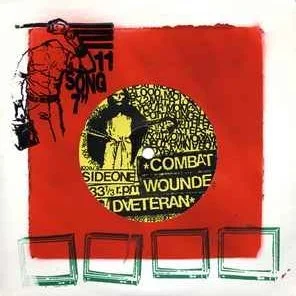
Release Information:
1996
Suppose I Break Your Neck Records
Tampa, FL
Runtime: 10:16
Tracks: 11
Band Members:
Christopher Norris (Vocals)
Davey Bartlett (Guitar, Vocals)
Dan Ponch (Bass, Vocals)
Mar Muenchinger (Drums)
Genres, Influences and Characteristics:
Emoviolence, Grindcore, Frantic, Dissonant, Chaotic
Musical Analysis:
With the average track being less than a minute, CWV attempts the most extreme version of Screamo we've heard yet. Taking the metallic nastiness of Grind and the unpredictability and dynamism of Powerviolence, CWV threads these elements together with politically charged sampled interludes and merciless guttural screeches from three different vocalists.
Historical Analysis:
This debut EP is one of the first examples of Emoviolence getting fleshed out. Although Grindcore wouldn't be the most popular mixer for this genre, its inclusion as a strong influence showcases the desire for early Emoviolence to branch away from its humble beginnings into its own plane of musical insanity.
Lyrical Analysis:
With sarcastic song titles and critical, biting lyrics, Comwbatwoundedveteran are unabashedly Hardcore in their approach to song themes. Touching on issues of consumerism, authority, conformity, toxic masculinity and toxic work culture, among others, in a straightforward and pissed-off way puts the listener right n the zeitgeist of early Screamo.
Reversal of Man - Reversal of Man | Screamo Hall of Fame Class of 1996 Nominee
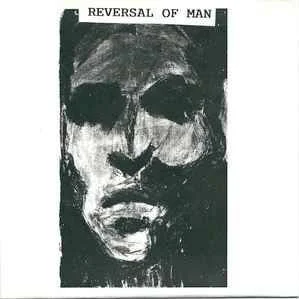
Release Information:
1996
Valrico Records
Tampa, FL
Runtime: 7:15
Tracks: 4
Band Members:
Matt Coplon (Vocals)
Christopher Norris (Guitar)
Joe Camacho (Guitar)
Jason Crittenden (Bass)
John Wiley (Drums)
Genres, Influences and Characteristics:
Screamo, Emoviolence, Ominous, Frantic, Intense, Dynamic
Musical Analysis:
On this 1996 s/t, Reversal of Man crafted three different ideas to switch between dynamically: slow, sinister and clean guitar melodies with light accompaniment, crushing, dissonant, mid-tempo Screamo that bares its fangs, and blistering, extreme, turbulent Emoviolence. Does this formula simplify the actual music found on here? Yes, but putting this together with a keen sense of songwriting, harrowing high-pitched screams and endless passion transforms this from formulaic to trailblazing.
Historical Analysis:
Reversal of Man pushed forth with their blistering take on Screamo, emerging as one of the early trendsetters of the Emoviolence movement, even before it had a name. Taking spastic elements of Powerviolence and combining them with the emerging and dynamic force of Screamo was quite novel, even if several bands around the US were also pushing similar boundaries.
Lyrical Analysis:
*Note that because this is an old, DIY and relatively minor release in the grand scheme of Emo and Screamo history, I cannot locate lyrics for any of these songs. If lyrics can be dug out, I will reevaluate the lyrical analysis.*
Sidekick Kato - 1st Class Chump | Screamo Hall of Fame Class of 1996 Nominee
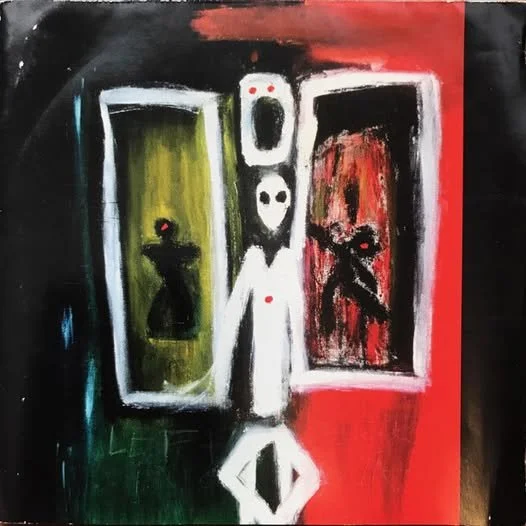
Release Information:
1996
Johann’s Face Records
Des Plaines, IL (Midwest)
Runtime: 39:33
Tracks: 10
Band Members:
Tom Anderson (Vocals)
Franky Hryniewicz (Guitar)
Xaq (Guitar)
Joe Campagna (Bass)
Jay Dean (Drums)
Genres, Influences and Characteristics:
Midwest Emo, Screamo, Post-Hardcore, Melodic, Dynamic, Raw, Autumnal
Musical Analysis:
Sidekick Kato employs that early Post-Hardcore-influenced Midwest Emo sound, encapsulated by the first few seconds of the intro track: a loud, brazen chord progression transitions into a delicate, twinkly arpeggio with melodramatic crooning. This formula is quite reminiscent of Midwest Emo contemporaries like Texas Is The Reason, though these Illinois folks iterate even further by adding in some bold, cacophonous Screamo instrumentation and some emotionally resonant screams to the equation. I’d say the bulk of the music here leans Midwest Emo, however.
Historical Analysis:
To my knowledge, this is the very first attempt at weaving Midwest Emo with Screamo ever attempted, so kudos for that accomplishment right off the bat. Because Midwest Screamo wasn’t even an obscure subgenre of Emo yet and wouldn’t be for over a decade, this forward-thinking curiosity is an undeniable part of Screamo Canon, despite its minimal direct influence on the genre.
Lyrical Analysis:
*Note that because this is an old, DIY and relatively minor release in the grand scheme of Emo and Screamo history, I cannot locate lyrics for any of these songs. If lyrics can be dug out, I will reevaluate the lyrical analysis.*
In/Humanity - The Nutty Antichrist | Screamo Hall of Fame Class of 1996 Nominee
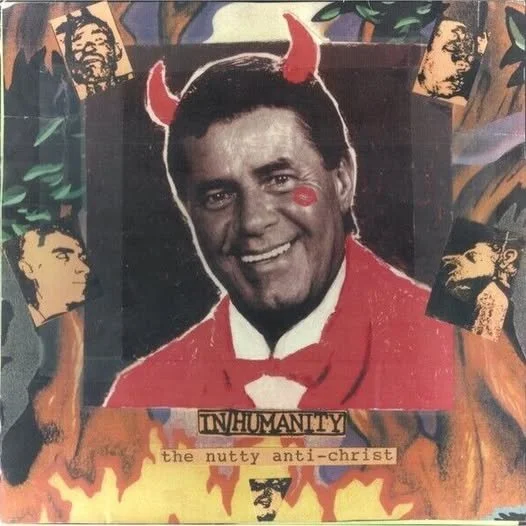
Release Information:
1996
Passive Fist Records
Columbia, SC
Runtime: 20:10
Tracks: 13
Band Members:
Chris Bickel (Vocals)
Paul Swanson (Guitar)
Will Zaledeski (Bass)
Ben Roth (Drums)
Genres, Influences and Characteristics:
Emoviolence, Powerviolence, Manic, Chaotic, Quirky, Dissonant
Musical Analysis:
Grueling distortion, breakneck tempos, angry shrieks and general musical mayhem are found all over this record. A typical song on The Nutty Antichrist is shorter than a minute, so a rapid-firing of musical ideas is often at play, particularly in the songs with blistering drums and dissonant, syncopated guitar. However, the band knows when to adjust the tempo and the intensity to fit their needs, transitioning between the two often enough to break up any monotony. Vocally, the screamer sounds as hateful as the music, though these extreme swellings of negativity are broken up by the many samples that flow between tracks and the occasional playful song here and there.
Historical Analysis:
Although the term “Emoviolence” had not yet been coined by In/Humanity, they certainly had no problem being one of the first to play it. The Nutty Antichrist is a natural evolution from their 1994 EP Gets Killed by Robots, even including the track Greener Eyes on this LP. In/Humanity doubles down on the Powerviolence influence and adds even more absurdity. The (spoiler!) political lyrics, frantic, short and dynamic songs, and overwhelming dissonance give this release an intimidating aura that many Screamo and Emoviolence bands of the future would strive toward. Despite being so early to the Emoviolence game, they had several contemporaries pushing similar boundaries simultaneously.
Lyrical Analysis:
The simple, direct, confrontational and sarcastic lyrics by Chris Bickel define this LP. Although he uses irony and inappropriate metaphors to make a lot of his points, make no mistake - the band is firmly anti-capitalist, anti-Confederate Flag, anti-right wing. These are the ethos of Hardcore that In/Humanity carries forward with fleeting moments of self-reflection - often self-derogatory. Nonetheless, there’s very little ambiguity in the lyricism - even with all of the sarcasm; strong themes about the ills of mental institutions, the bait-and-switch nature of religion and the horrors of upcoming nuclear war are all easily sussed out.
Portraits of Past - 01010101 | Screamo Hall of Fame Class of 1996 Inductee
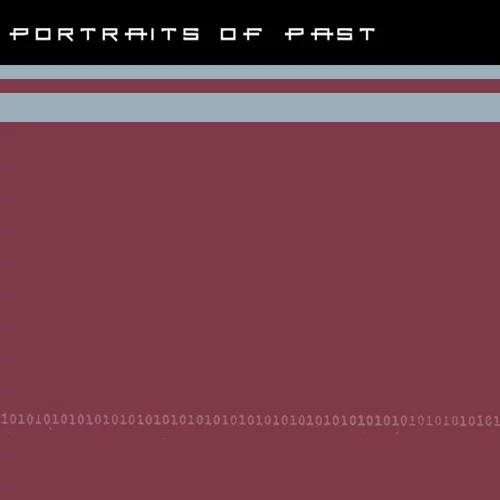
Release Information:
1996
Ebullition Records
San Francisco, CA (SoCal)
Runtime: 36:44
Tracks: 7
Band Members:
Robert Pettersen (Vocals)
Rex Shelverton (Guitar, Vocals)
Jonah Buffa (Guitar)
Jeremy Bringetto (Bass)
Matthew Bajda (Drums)
Genres, Influences and Characteristics:
Screamo, Post-Rock, Post-Hardcore, Melodic, Dynamic, Atmospheric, Melancholic, Frantic
Musical Analysis:
From the opening salvo, a dark, barring bassline that transitions into an all-out assault of dissonance, chaos and an emotionally intense vocal delivery, you can tell Portraits of Past meant business. As the lightning-fast intro song fizzles out as quickly as it came, the chunky, melodic guitar of Bang Yer Head begins and opens up the universe to the listener. Lengthy, dynamic tracks filled with melody, atmosphere and passion comprise the bulk of this album while Emoviolence-esque outbursts give the music vigor and boisterousness. Expect monumental peaks and crescendos against dark, frenetic valleys as you listen through this behemoth. Although definitely influenced by Post-Hardcore, this album was a huge sonic step forward toward carving Screamo’s unique identity.
Historical Analysis:
Although the term “Screamo” wasn't even in use yet, these Bay Area legends managed to craft the first truly great, epic Screamo album on 01010101. The band wore their influences on their sleeves with punishing, angular Post-Hardcore riffs, masterful use of Emo quiet-loud dynamics and elongated, atmospheric passages of serene Post-Rock instrumental goodness - the sum of which was truly as groundbreaking and absolutely captivating for 1996 as it Is today.
Although Portraits of Past wasn't launched directly into underground superstardom from this record, countless bands would emulate and iterate upon the formula. Long, dynamic, brutal songs with tons of Post-Rock worship would be Screamo's defining sound in the early 2000s, arguably the genre's creative apex. For this album's timelessness, legacy and impact upon the genre, 01010101 rightfully deserves to be the very first Screamo Hall of Fame inductee!
Lyrical Analysis:
Portraits of Past’s lyrics demonstrate Screamo’s penchant for emotional truth over narrative clarity. The mantra-like repetition of certain phrases emphasizes the gravity of their feelings and message, even if the message is more ambiguous and less focused. Like many of the greats that shaped this genre, Portraits of Past marries personal and internal pain with the outside social and political forces to speak on frustrations with individual and collective failures, self-loathing in a system designed for just that, the futility against violence and even losing your own ideals. The personal struggle is created by society’s evils and vice-versa. The pain isn’t an issue to be solved but a powerful, cathartic emotion to experience and share.