

Hello, everyone! Welcome to the hub for my Deep Dive project Establishing Screamo Canon: From Chaos to Catharsis! 2025 was the Year of Screamo and, while I didn’t quite get to my goal of covering Screamo from the 90s through 2015, getting through the 90s wound up being a Herculean feat in and of itself. I’m quite proud of this accomplishment! The series will continue indefinitely as I have time for it, but getting it up onto the website was very important. Please refer to the Overview post for more information about the series and the various sub-series within.
Below you can sort by subseries or via a tag cloud, weighing the most commonly-used tags such as artists, release years, record labels, locations, genres and even descriptors! Please keep an eye on this as the series continues! Alternatively, you may use the below search function to find anything you might be interested in reading about within the series. Please note that when you click one of the following links, you will have to scroll past the welcome and navigation sections to access the content.

- Emoviolence
- Dynamic
- Dissonant
- Chaotic
- Frantic
- Melodic
- 1999
- Post-Hardcore
- Raw
- 1997
- Hardcore Punk
- 1998
- Noisy
- 1996
- Emocore
- Florida
- SoCal
- Lofi
- Noise Rock
- Atmospheric
- Metalcore
- Post-Rock
- Midwest Emo
- Energetic
- Grindcore
- Canada
- Complex
- Massachusetts
- Reversal of Man
- Independent
- NorCal
- 1994
- Ebullition Records
- Orchid
- Manic
- France
- New York
- New Jersey
- Aggressive
- Gravity Records
- Sass
- Mountain Records
- Pennsylvania
- Dark
- Combatwoundedveteran
- Intense
- Witching Hour Records
- The Great American Steak Religion
- Dense
- Cold
- Metallic
- Technical
- Virginia
- Eclectic
- South Carolina
- 1993
- 1992
- Saetia
- Playful
- Three One G Records
- Frenetic
- Math Rock
- Powerviolence
- Indiana
- Driving
- You and I
- Puritan
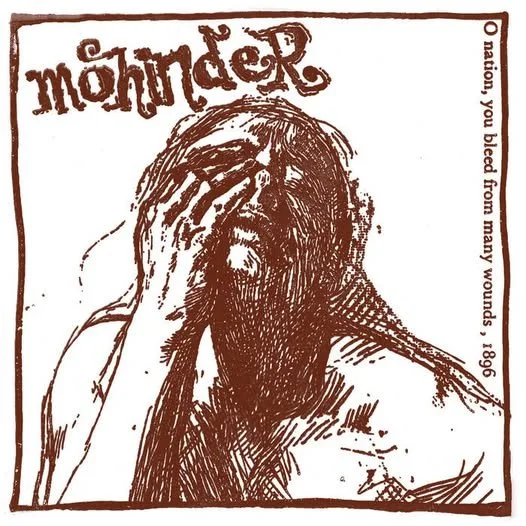
Mohinder - O Nation, You Bleed From Many Wounds, 1896 | The Shape of Screamo to Come
Release Information:
11/1993
Unleaded Records
Cupertino, CA (NorCal)
Runtime: 8:51
Tracks: 5
Band Members:
Canaan Amber
Clay Parton
Albert Menduno
James Uhring
Genres, Influences and Characteristics:
Post-Hardcore, Screamo, Noise Rock, Emocore, Unnerving, Frantic, Lofi
Musical Analysis:
A haunting, driving bassline is the harbinger of things to come on Mohinder’s debut EP, showcasing both the menacing, dissonant nature of the harmonies and the galvanic pace. The restless drumming, active guitar riffs, noisy dissonance and strained screaming vocals create a sinister atmosphere. The band often oscillates between intimidating slow-tempo Screamo and breakneck Hardcore passages, done in a manner that emphasizes each instrument in one way or the other. Despite the short runtime, the songs are varied enough to stand out for one reason or another. In particular, Mohinder infect several songs with short, lofi sections of utter noise and chaos, contrasting with the better-produced higher-intensity moments.
Historical Analysis:
Let’s get the obvious out of the way - much of this band would go on to form influential Indie Rockers Duster, but that’s not what this project is about. Mohinder pushed beyond the constraints of Hardcore Punk while also elevating the intensity of the moodier Emocore influences, giving us both a Post-Hardcore masterclass and a seminal Screamo starting point. They would expand upon their explosivity in future releases, but their debut showcases the differences between Hardcore Punk, Emocore and early Screamo while showcasing how clearly and closely they’re related.
Lyrical Analysis:
The singer’s confrontational nature is sprawled across all of the verses, succinctly exhorting of humanity’s neverending pursuit of materialism, warning the greedy, questioning the purpose of our constant suffering and the dredge of helplessness, isolation and anger he harbors, perhaps at society or inward at himself. The aggression is always directed at something in these lyrics, and with both personal and social ills addressed, this would be a common thematic roadmap for Screamo bands.
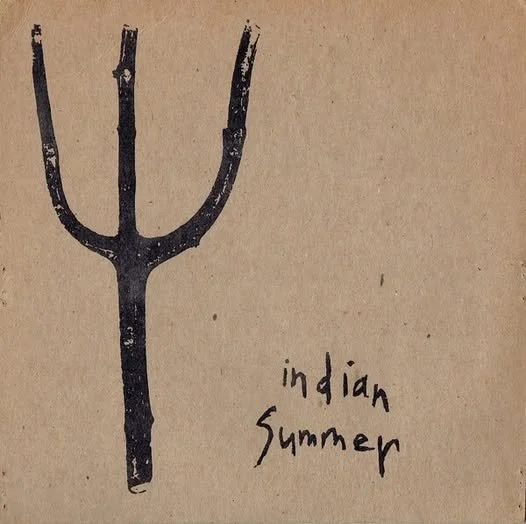
Indian Summer - Indian Summer | The Shape of Screamo to Come
Release Information:
1993
Repercussion Records
Oakland, CA (NorCal)
Runtime: 14:40
Tracks: 3
Band Members:
Marc Binachi (Guitar, Vocals)
Adam Nanaa (Guitar, Vocals)
Seth Nanaa (Bass, Vocals)
Eyad Kaileh (Drums)
Genres, Influences and Characteristics:
Emocore, Post-Hardcore, Proto-Screamo, Post-Rock, Bleak, Dynamic, Cathartic, Samplecore
Musical Analysis:
An old-timey melancholy Blues number by Bessie Smith starts our album off before a delicate arpeggio and shaky clean vocals enter, playing call-and-response with the prolific sampled artist. This moves into a seesaw of dark and foreboding tension and manic outbursts. The sample acts as a connective thread for the rest of the 7”, adding to the jarring dynamics and unsteady atmosphere. This interplay is executed perfectly on the final track, a 7+ minute sojourn that crescendos into a cacophonous outpouring of sentimentality.
Historical Analysis:
Forget Screamo, this record is one of the most influential releases in all of Emo history, leaving a legendary footprint that many have tread over but few have matched. Eight years and nearly three thousand miles separate Emocore's origins from Indian Summer's s/t, and the musical growth from rigid Revolution Summer worship was not only a turning point for Emocore, which had never been quite this dynamic or original, but for Emo, which was in its infancy, and Screamo, showcasing a blend of violence and melody. The band pushed Emocore to its absolute extremes and has far surpassed the legacy envisioned by 90s fans.
Lyrical Analysis:
By grounding this album with Bessie Smith’s sample throughout, it anchors the timeless feelings of unrequited love, loss and longing that plague the lyrics on this release. A common trope for all Emo, the poetic self-reflection about a failing relationship, uncertainty, questioning the morals of loved ones, and ultimately, the search for meaning in life give the music entirely new dimensions. While not groundbreaking topics in any sense, they engender powerful human emotions. In particular, the cathartic reckoning of the last track would become a hallmark of the greatest Emo and Screamo releases.
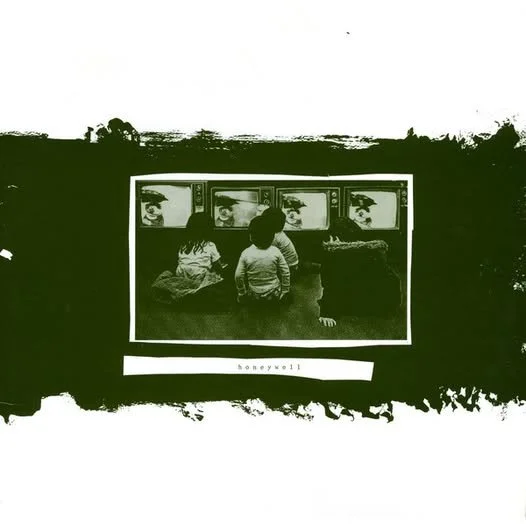
Honeywell - Industry | The Shape of Screamo to Come
Release Information:
1993
Mollycoddle Records
Corona, CA (SoCal)
Runtime: 33:02
Tracks: 9
Band Members:
Bobby Sell (Vocals, Bass)
Ryan Hilderbrand (Guitar)
Jimmy Lewis (Guitar)
Ryan Elliot (Drums)
Genres, Influences and Characteristics:
Screamo, Noise Rock, Proto-Emoviolence, Hardcore, Chaotic, Frantic, Menacing, Dynamic
Musical Analysis:
Holy Hell is this a tremendous leap forward for the genre! Discord is the objective for this album and through a mix of frenzied Powerviolen e-esque tracks radiating with malice, ominous mid-tempo songs that journey through darkness and agony, and noisy, formless sections that impart tension unto the listener. Buttoning up this intimidating combination of elements is a sensational screamer who uses higher register vocals and various samples that fill in the gaps. These dynamics blend seamlessly, creating a robust package with harsh but surprisingly clear production values.
Historical Analysis:
Is this the first Screamo album? Arguably, yes! Previous iterations of this genre in practice tended to haphazardly combine the brutality of Hardcore with the melody and dynamics of Emocore to mixed results. This full-length is one of the very first to synthesize the two together so smoothly, actually sounding like a proper Screamo album. Furthermore, Honeywell took it up a notch by adding in elements of Powerviolence, earlier than pretty much anyone else. Couple all of that with the foreboding atmosphere of the Noise sections and you have
Lyrical Analysis:
Honeywell’s direct and confrontational lyrics, screamed with intensity and emotion, are relatively standard in terms of subject matter in the Hardcore scene at this time. Bobby Sell’s lyrics deal with social issues like homophobia, religious indoctrination, capitalism and oppression. The anger of his delivery invokes immediacy on all of these outward problems, but self-reflection is an important part of this album’s lyrical journey as well. Holding yourself accountable for shitty thoughts, being stuck in perpetual depressive cycles and living under collective misery are a few of the introspective concepts dissected through this prose.