

Hello, everyone! Welcome to the hub for my Deep Dive project Establishing Screamo Canon: From Chaos to Catharsis! 2025 was the Year of Screamo and, while I didn’t quite get to my goal of covering Screamo from the 90s through 2015, getting through the 90s wound up being a Herculean feat in and of itself. I’m quite proud of this accomplishment! The series will continue indefinitely as I have time for it, but getting it up onto the website was very important. Please refer to the Overview post for more information about the series and the various sub-series within.
Below you can sort by subseries or via a tag cloud, weighing the most commonly-used tags such as artists, release years, record labels, locations, genres and even descriptors! Please keep an eye on this as the series continues! Alternatively, you may use the below search function to find anything you might be interested in reading about within the series. Please note that when you click one of the following links, you will have to scroll past the welcome and navigation sections to access the content.

- Emoviolence
- Dynamic
- Dissonant
- Chaotic
- Frantic
- Melodic
- 1999
- Post-Hardcore
- Raw
- 1997
- Hardcore Punk
- 1998
- Noisy
- 1996
- Emocore
- Florida
- SoCal
- Lofi
- Noise Rock
- Atmospheric
- Metalcore
- Post-Rock
- Midwest Emo
- Energetic
- Grindcore
- Canada
- Complex
- Massachusetts
- Reversal of Man
- Independent
- NorCal
- 1994
- Ebullition Records
- Orchid
- Manic
- France
- New York
- New Jersey
- Aggressive
- Gravity Records
- Sass
- Mountain Records
- Pennsylvania
- Dark
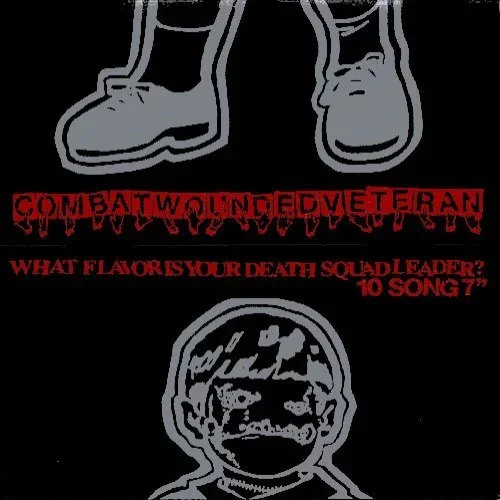
- Combatwoundedveteran
- Intense
- Witching Hour Records
- The Great American Steak Religion
- Dense
- Cold
- Metallic
- Technical
- Virginia
- Eclectic
- South Carolina
- 1993
- 1992
- Saetia
- Playful
- Three One G Records
- Frenetic
- Math Rock
- Powerviolence
- Indiana
- Driving
- You and I
- Puritan
1999: The State of Screamo
Screamo’s prominence within the Hardcore community rose significantly during this year with the release of several genre classics. Emoviolence had its statement year, but more melodic Screamo developments were occurring right in the background of this chaos. Conventions that would be utilized for many, many years to come were popularized by some of these legendary works. With many of Screamo's key figures now on the board, we will see exactly how the pieces fall. Below are notable releases from the year:
Snapshot
Screamo Hall of Fame Inductees:
Orchid - Chaos Is Me
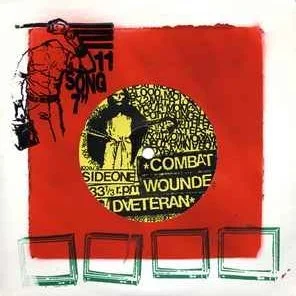
Combatwoundedveteran - I Know a Girl Who Develops Crime Scene Photos
Screamo Hall of Fame Nominees:
I Have Dreams - Three Days ‘Til Christmas
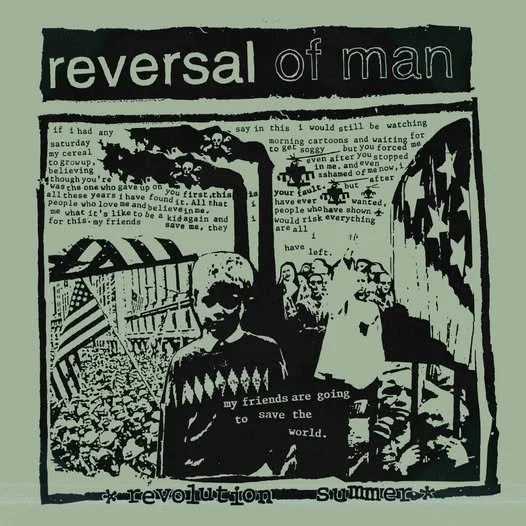
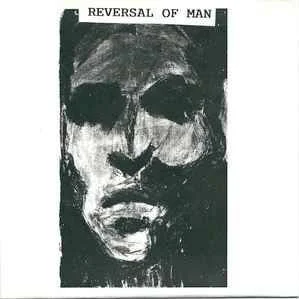
Reversal of Man - This Is Medicine
Kulara - 5 Pieces Songs
Usurp Synapse - This Endless Breath
Saetia - Eronel
Neil Perry - Neil Perry
Yaphet Kotto - The Killer Was in the Government Sheets
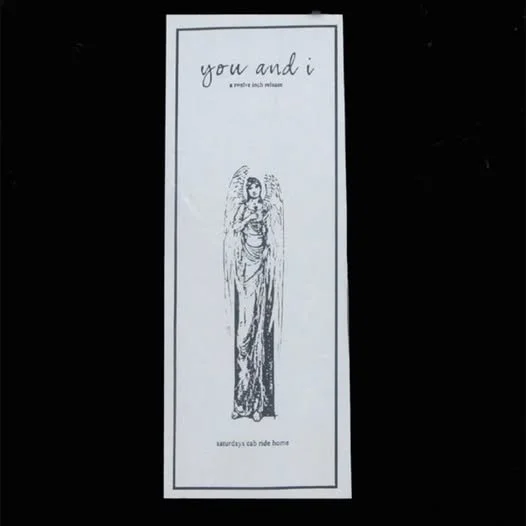
You and I - The Curtain Falls
Connective Tissue:
Combatwoundedveteran / Orchid
Jeromes Dream / July
Index for Potential Suicide / Usurp Synapse
Joshua Fit For Battle / Love Lost but Not Forgotten
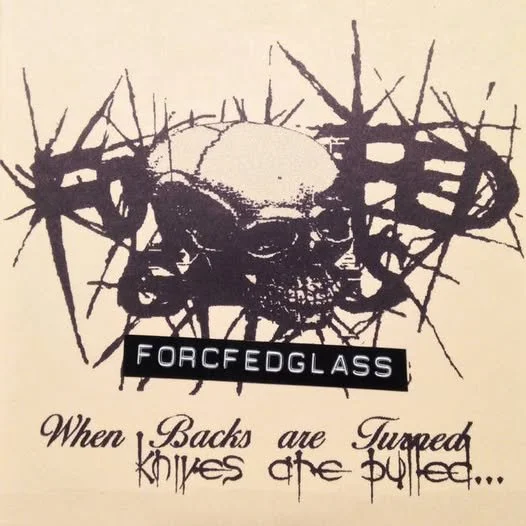
The Swarm / ForceFedGlass
Holy Grails:
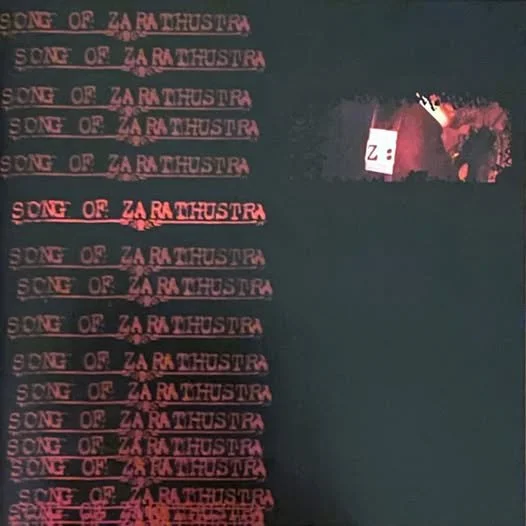
Song of Zarathustra - Discography, Vol. 1
Additional Releases:
The Khayembii Communiqué - The Khayembii Communiqué
The Red Scare - Capillary Lockdown
Kamara - The Embrace of One Last Moviekiss-
Twelve Hour Turn - The Victory of Flight
Palatka - The End of Irony
Emoviolence Explodes!
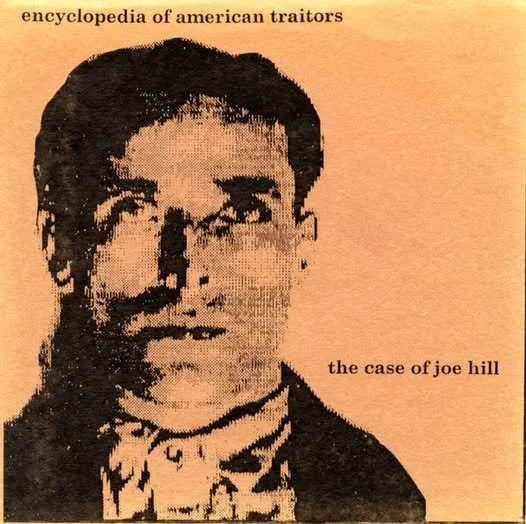
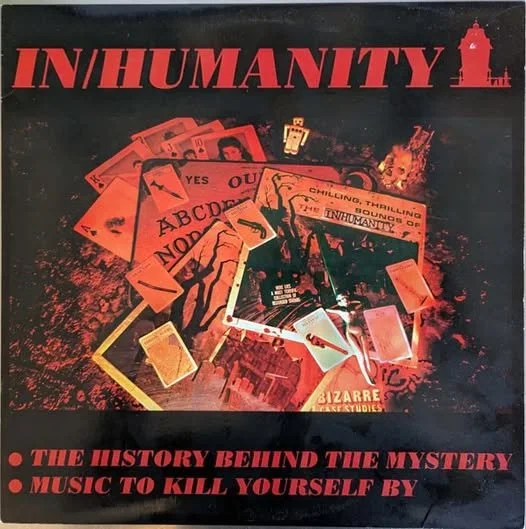
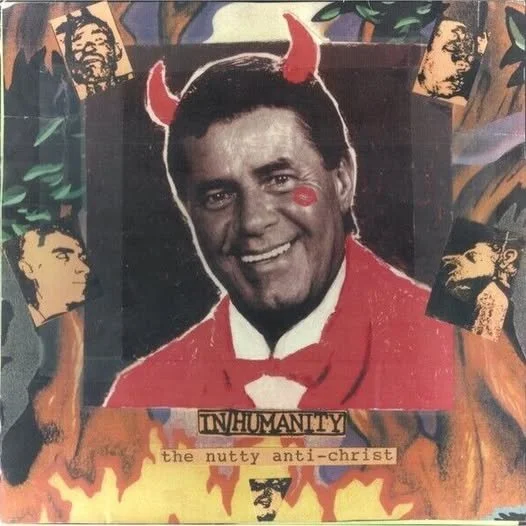
Before 1999, Emoviolence was developed through bands like In/Humanity, Eurich, Encyclopedia of American Traitors, Kwisatz Haderach, Encyclopedia of American Traitors and others. Special shoutout to Reversal of Man and Combatwoundedveteran for building the genre in their own changing image for years. They each utilized various other Hardcore influences, including Powerviolence, Grindcore and Metalcore, and each sounded quite different as a result.
By the end of this year, certified hood classic Emoviolence had propelled the genre to new heights, in no small part thanks to releases from Orchid, Reversal of Man, CWV, Neil Perry and Usurp Synapse, with mention of Jeromes Dream, Love Lost But Not Forgotten and ForceFedGlass. With just one year as an officially-yet-ironically-titled genre, the release of all the aforementioned records made a giant impact on DIY hardcore and would lead to arguably the greatest span of time for this subgenre.
The Failure of Language
By 1999, a litany of topics became conventional to write lyrics about within the genre, including political issues, social commentary, personal misery and scene politics. Alas, Screamo by its very nature is a cathartic exercise of deeply negative human emotion, so it should be no surprise that a strong thematic undercurrent of these releases is the failure of language to express such intense sentiments adequately. Bands like Saetia, Combatwoundedveteran, Orchid, I Have Dreams, Usurp Synapse, Yaphet Kotto, You and I and even Kualara wrote about this to varying degrees.
In some instances, language fails to capture the feelings of despair and guilt, and the only true expressions are through raw human reactions. For others, language is commodified, used as a tool of violence and oppression, and is a barrier that isolates us from genuine connection. Can language really help process trauma? Is expression doomed to inauthenticity while language is only used for performance? These are indeed dreary outlooks and cynical philosophies, with perhaps the best way to truly encapsulate such ideas is to scream them with all your heart against dark, powerful sonic backdrops; where language fails, Screamo is there to bridge the gap.
Scene Spotlight: Gulf Coast Straight Edge
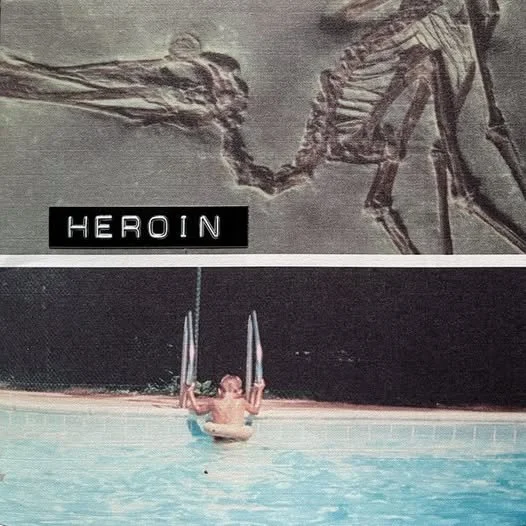
Emo has had its foot in the Straight Edge door from the very beginning. This should come as no surprise, as Ian MacKaye, famous for fronting both Minor Threat and Fugazi, coined Straight Edge as a philosophy before starting one of the first Emocore bands Embrace (but don’t tell Ian they were Emocore!). Much of the DIY hardcore scene in the D.C. area adhered to this lifestyle, which was quickly becoming a movement, but drugs would be an infamous inspiration for Emo artists outside of the 80s (e.g. Indian Summer, Cap’n Jazz).
Cue the arrival of several Screamo bands from the Gulf Coast of Florida, whose members started to follow the Straight Edge lifestyle. In Tampa, Combatwoundedveteran and Reversal of Man, two bands inextricably linked by their scene, shared members and musical stylings, featured straight edge members, while up toward the Panhandle, I Have Dreams (formerly New Ethic) was representing the SXE scene. Trudging up such devastating emotions with confessional or deeply-driven lyrics against a backdrop of chaos while rawdogging life? Kudos to them!
An Ode to the 90s…
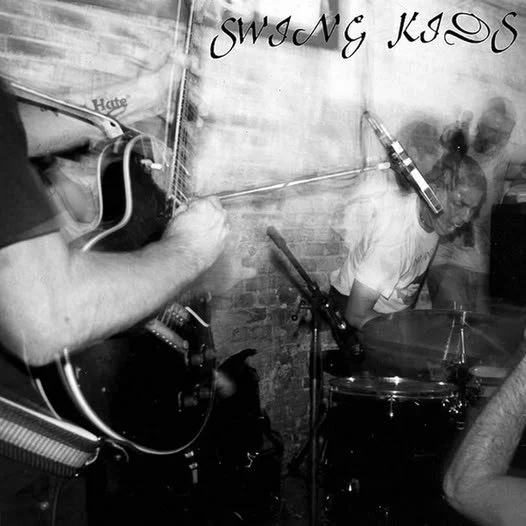
What a fantastic first decade for this genre! I didn’t cover ‘91-’95 as extensively, but we had good releases each of those years and great ones for most of them. Everyone from Mohinder, Honeywell and Swing Kids to Orchid, Saetia and Envy came out with excellent, boundary-pushing Screamo music. From the rapid development from New Jersey’s “Hardcore Highway” to Emoviolence as a DIY phenomenon, the 90s are rightfully revered by the oldheads and new Screamo fans alike. Arguably, ‘96-’99 is the pinnacle of the genre. Well, that is until…
…A Song for the 00s
Are you surprised? The high tides of the Screamo genre would continue well into the 00s with many of the greats already in position. Early 00s legends like Jeromes Dream, Envy, pg.99, Love Lost but Not Forgotten and Majority Rule had already begun releasing material, and their stocks would only go up. Oh, and if you thought we were eating good with Emoviolence before, you won’t have to wait long to experience the epitome of the genre before Screamo would move into bold new directions.
Song of Zarathustra - Discography Vol. 1 | Holy Grails 1999
The Artifact:
Release: 1999
Blood of the Young Records
Runtime: 19:26
Tracks: 10
Artifact DNA:
Screamo. Emoviolence, Post-Hardcore, Manic, Sassy, Dissonant
Artifact Archeologists:
Trevor McInnis (Vocals, Guitar)
Travis Bos (Vocals, Keyboard)
James Munsen (Vocals, Bass)
David Seaman (Drums)
Artifact Contents:
Both tracks from a split with Johnny Angel
Their track from a split with Spread the Disease
All tracks from their 1998 s/t EP
Two versions of an original track
Artifact Echoes:
Song of Zarathustra employs dissonance, syncopation, synths, noisiness, blistering tempos, and several vocalists to achieve their signature sound. Their earlier tracks are filled with personality and synthy sections, whereas their later work is a bit more straightforward but utilizes Screamo tropes very well, such as greater dynamics and more discordance.
Artifact Legacy:
Song of Zarathustra is a relatively unknown band in the grand scheme of Screamo, but this compilation excellently highlights a snapshot of Screamo from the Midwest. Sharing a scene with such bands as The Book of Dead Names and The Khayembii Communiqué, with whom they have some cross-pollination in their rosters, they showcase the power, ferocity and unique qualities of this area. Sadly, this excellent slice of American Screamo wound die out around 2003, where all three would disband.
Artifact Value:
The original vinyl run was pressed onto a picture disc (which is somewhat controversial) and was given about 3,000 copies. You can purchase it these days for under $10, same for the repress. Meanwhile, the 28 test prints seem impossible to find. Later on, this would be rereleased in CD format, making it even cheaper to own and more accessible.
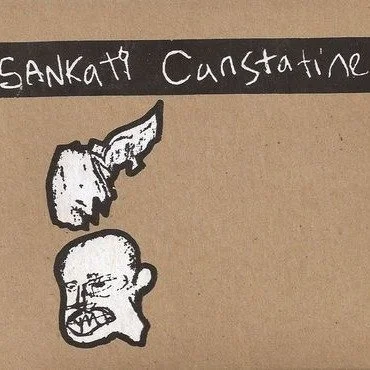
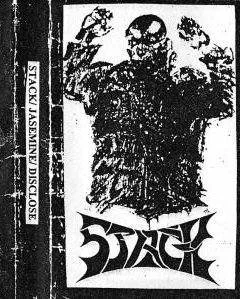
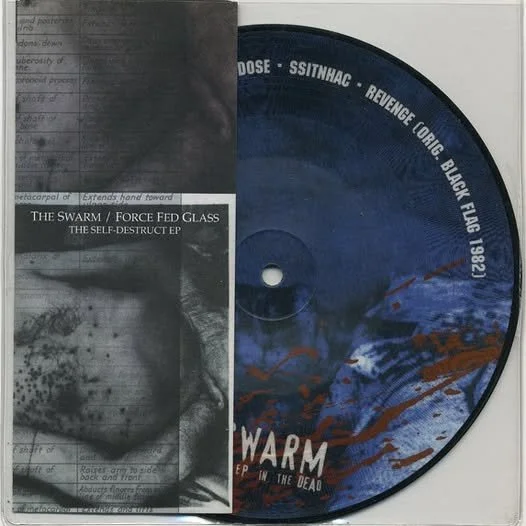
The Swarm / ForceFedGlass - The Self-Destruct EP | Connective Tissue 1999
The Swarm
(Burlington, ON, Canada)
Chris Colohan (Vocals)
Adam Bratt (Guitar)
Christian McMaster (Guitar)
Lou Oliveras (Bass)
Mike Maxymuik (Drums)
ForceFedGlass
(Richmond, VA)
Pat Masteron (Vocals)
Evan Plante (Guitar)
Justin Conlon (Bass)
Ben Koller (Drums)
Basic Info:
Release Date: 1999
Label: The Electric Human Project
Runtime: 6:29
-The Swarm: 3:30
-ForceFedGlass: 2:59
Tracks: 6
-The Swarm: 4
-ForceFedGlass: 2
At a Glance:
Metalcore, Emoviolence, Hardcore Punk, Energetic, Frantic, Punky, Technical
Points on the Timeline:
Both bands formed in the late 90s, releasing the bulk of their discographies before the turn of the century. By 2000, both artists will disband.
Shapes in the Sound:
The Swarm, tangentially related to the Screamo scene by way of guitarist Kyle Bishop, who does vocal duties for fellow Ontarians Grade, plays fairly straightforward Metalcore on here with a few traditional Punk leanings. Somewhat melodic, somewhat driving and brimming with energy and passion, their four tracks breeze through. ForceFedGlass’ two tracks are far more complex, noisier and more dynamic, playing their signature brand of blistering, technical Emoviolence with heavy, slow sections spacing out the chaos.
Threads in the Tapestry:
Although both artists would fizzle out soon after this split was released, it nonetheless catalogs these two distinct Hardcore artists from 550 miles apart at the end of their short-lived musical careers. While neither would be groundbreaking in their genre, they both remain underrated aspects of genres that would leave them behind.
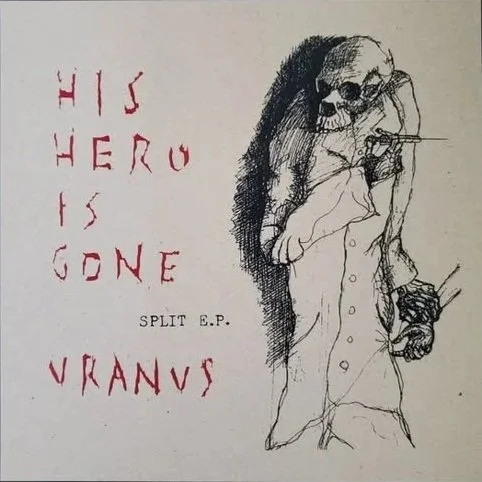
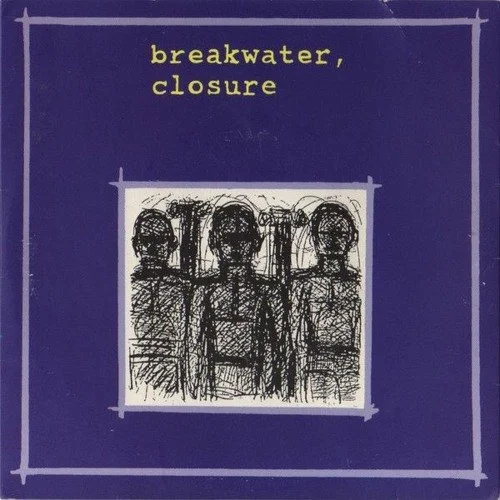
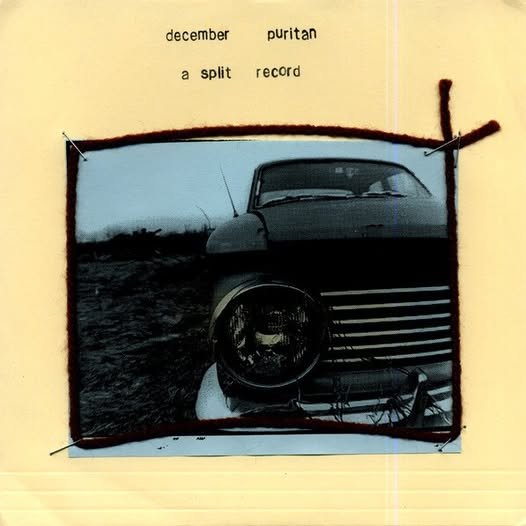

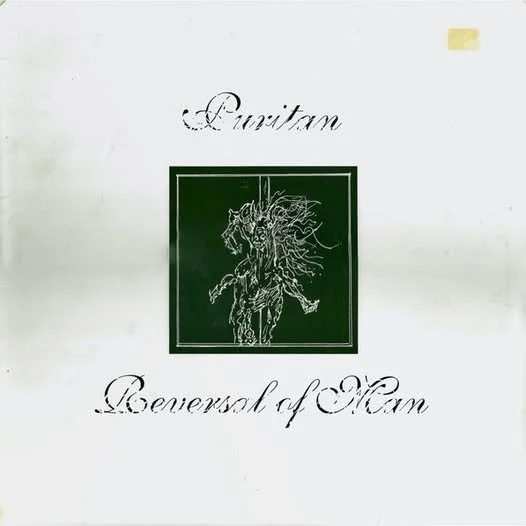
Joshua Fit for Battle / Love Lost But Not Forgotten | Connective Tissue 1999
Joshua Fit for Battle
(Newark, DE)
Joe Breitenbach (Vocals)
Larry Everett (Vocals)
Geoff Matheison (Guitar)
John Fasano (Guitar)
Dan Bogart (Bass)
Kevin Hardy (Drums)
Love Lost But Not Forgotten
(St. Louis, MO)
Mike Schmidt (Vocals)
Scott Fogelbach (Guitar, Vocals)
Jason Emerick (Guitar)
Chris Grady (Bass)
Matt Prater (Drums)
Basic Info:
Release Date: 1999
Label: Normal Records
Runtime: 10:37
-Joshua Fit for Battle: 5:03
-Love Lost but Not Forgotten: 5:34
Tracks: 4
-Joshua Fit for Battle: 2
-Love Lost but Not Forgotten: 2
At a Glance:
Screamo, Emoviolence, Driving, Dissonant, Dynamic
Points on the Timeline:
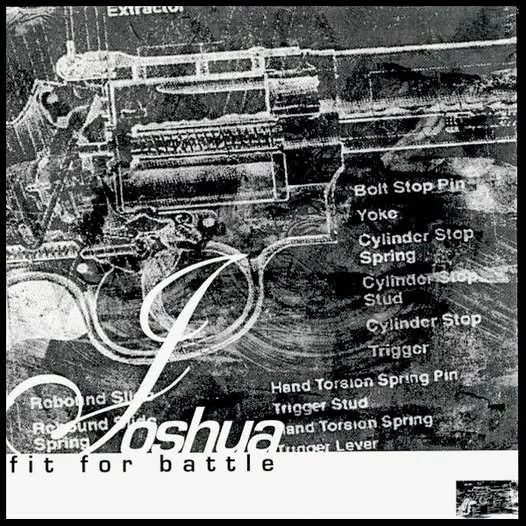
Both of these bands had only recently formed, both releasing their debut EPs and this split in 1999. Humble beginnings for two bands who would define the genre in the early 00s; Love Lost would release their unforgettable debut LP in 2000 while Joshua would have to wait until 2002 to get their moment in the sun.
Shapes in the Sound:
Uniquely, Joshua Fit for Battle has the first track on this split, followed by two back-to-back entries from Love Lost but Not Forgotten. Finally, the album ends with another Joshua Fit for Battle song. Their styles are distinct, but it’s nice to have a sort of bookend to this thing. JFFB’s side is a bit slower and warmer than LLBNF’s tracks, featuring a tad more starkness in the dynamic contrasts. Love Lost has fiery moments of Emoviolence passion that fizzle out as quickly as they come, tinged with plenty of dissonance.
Threads in the Tapestry:
This particular split was a great harbinger of what’s to come for the genre in the early 2000s. LLBNF’s two songs were demos for tracks that wound up on their seminal 2000 LP while JFFB perserved their early work in a comp later on.
Index for Potential Suicide / Usurp Synapse | Connective Tissue 1999
Index for Potential Suicide
(Charleston, SC)
Christopher Ashley (Guitar, Vocals, Keyboards)
Shawn Williams (Bass, Vocals, Keyboard)
Robert Findlater (Drums)
Brian Cooper (Keyboards)
Usurp Synapse
(Lafayette, IN)
Antonio Leiaro (Vocals)
John Scott (Vocals)
Brandon Harris (Guitar)
Donald Kirkland (Guitar)
Tony Dryer (Bass)
Travis Chance (Drums)
Basic Info:
Release Date: 1999
Label: Witching Hour Records
Runtime: 8:46
-Index for Potential Suicide: 5:07
-Usurp Synapse: 3:39
Tracks: 6
-Index for Potential Suicide: 2
-Usurp Synapse: 4
At a Glance:
Emoviolence, Frantic, Synthy, Dynamic, Crushing
Points on the Timeline:
Both artists were relatively new to the scene, forming in 1998. Index released an EP in ‘98 while Usurp debuted their material in ‘99. Index wouldn’t last too much longer than the year 2000, while Usurp would stick around for a couple of years until 2003.
Shapes in the Sound:
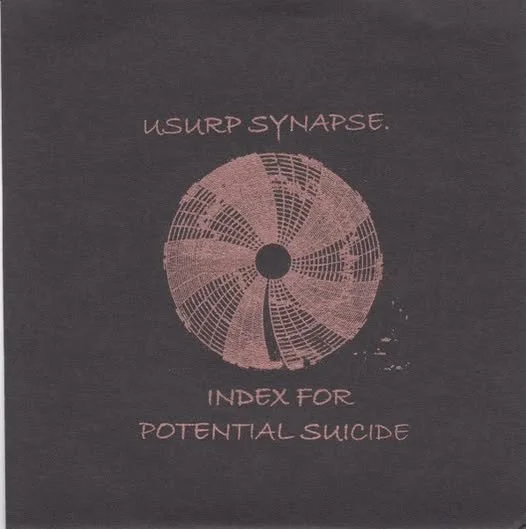
These two burgeoning Emoviolence acts have pretty different styles, but they come together perfectly in this cozy little package of destruction. Index for Potential Suicide utilizes synths (some more subtle than others) to layer their music and give it a unique twist. The core of the music is somewhat dynamic, switching from deep breakdowns to manic sections of pure chaos to some weird artificial sounds that are all out of place while simultaneously feeling right at home.
Usurp Synapse’s side features four songs that hover around the 1-minute mark but are played at such blistering tempos that there are tons of musical ideas on offer, with some room for cleaner, slower sections that counterbalance the rest of the insanity.
Threads in the Tapestry:
A staggering 800-mile trek separates South Carolina from Indiana, but that didn’t stop these two small-time acts from coming together early in their careers and ripping out some banger tracks. Although Index’s efforts tend to fly under the radar, Usurp Synapse has been on an on-again, off-again path of terror for decades. However, the majority of their material can be found on various splits, the first of which was with Index for Potential Suicide.
Jeromes Dream / July - Connective Tissue 1999
Jeromes Dream
(West Haven, CT)
Jeff Smith (Bass, Vocals)
Nick Antonopulous (Guitar)
Erik Ratensperger (Drums)
July
(Apex, NC)
Gabe Johnson
Herb Harris
Basic Info:
Release Date: 1999
Label: Witching Hour Records
Runtime: 10:13
-Jeromes Dream: 3:50
-July: 6:23
Tracks: 2
-Jeromes Dream: 1
-July: 1
At a Glance:
Emoviolence, Post-Rock, Midwest Emo, Slowcore, Atmospheric
Points on the Timeline:
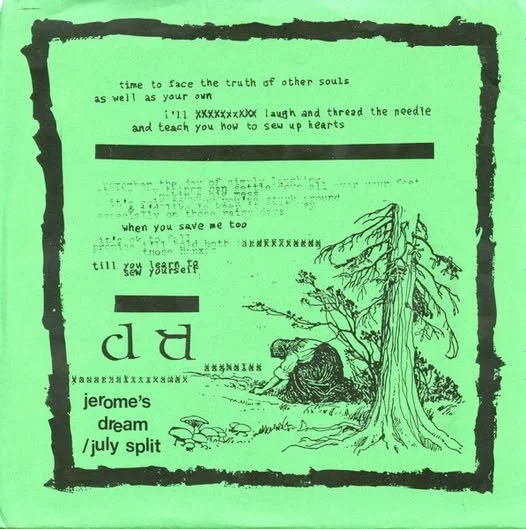
Jeromes Dream had just released their first split with Amalgamation in December of 1998, so this was still one of the earliest tracks they ever released. They would stick around for a couple of years before disbanding in the early 00s, whereby they’d release their signature material. Meanwhile, July is a duo with this one song and possibly a demo somewhere in the wild. They’re quite obscure.
Shapes in the Sound:
Jeromes’ side opens with one of their typical ferocious Emoviolence intros with utter insanity on the guitar and drums. Jeff Smith’s signature destructive vocals complete the package, though there’s also a bit of a second half to this one; the back end of this track is mostly atmospheric noise with dynamic aggression. Meanwhile, July’s track is quiet, blessed with just a guitar, some keyboard and the human voice. These nearly six-and-a-half minutes of Post-Rock goodness with Emo-style vocals are beautiful, but contrast Jeromes’ side completely.
Threads in the Tapestry:
How this obscure band linked with Jeromes Dream with almost zero music to their credit and living 600 miles apart is truly a mystery, but the world of Emo should be thankful for this contribution. While obviously not Jeromes’ greatest or most memorable work, it does feature a repetitive chord progression that the end that would become a hallmark of their sound for years to come.
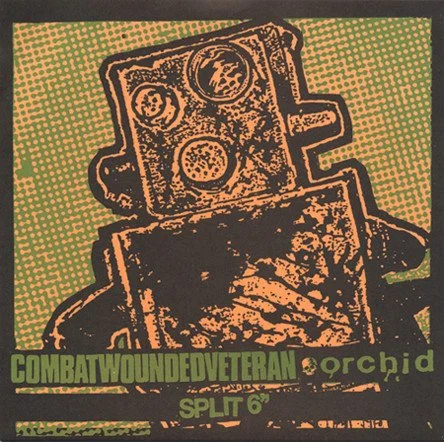
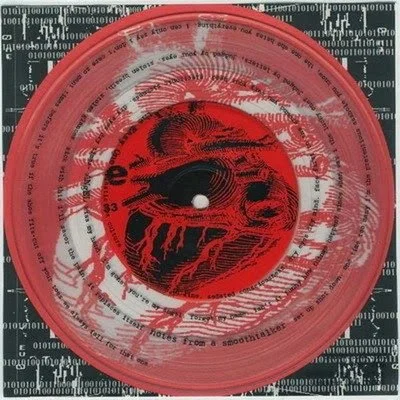
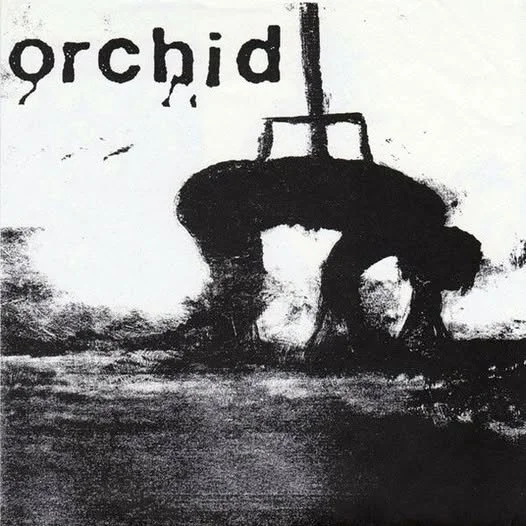
Combatwoundedveteran / Orchid - Split 6” | Connective Tissue 1999
Combatwoundedveteran
(Tampa, FL)
Christopher Norris (Vocals)
Dan Raade (Guitar)
Bill (Guitar)
Dan Ponch (Bass, Vocals)
Mark Muenchinger (Drums)
Orchid
(Amherst, MA)
Jayson Green (Vocals)
Will Killingsworth (Guitar)
Brad Wallace (Bass)
Jeff Salane (Drums)
Basic Info:
Release Date: 1999
Label: Clean Plate Records
Runtime: 5:03
-Combatwoundedveteran: 2:53
-Orchid: 2:10
Tracks: 7
-Combatwoundedveteran: 5
-Orchid: 2
At a Glance:
Emoviolence, Grindcore, Screamo, Noisy, Chaotic, Frantic
Points on the Timeline:
These two Emoviolence legends were both peaking in 1999, with CVW and Orchid delivering Hall of Fame-worthy LPs, shaping the genre in their drastically different images. For Combatwoundedveteran, this year would be the absolute pinnacle of their careers, releasing their celebrated LP, this split with fellow seminal Emoviolence act Orchid and one more insane split with Scrotum Grinder.
Meanwhile, Orchid’s unbeatable run of releases would only start here; Dance Tonight! was in the works for next year, along with the legendary Skull Split with Jeromes Dream and a swan song in 2002. By 2003, both artists would disband, leaving immense legacies behind.
Shapes in the Sound:
This split moves a blistering pace, squeezing in seven songs in five minutes! CVW’s side is an absolute wall of sound from the frenetic instrumentation and manic screaming. The guitar is all-encompassing and the drums seem to suck the air out of whatever’s left. It’s very devastating and boisterous, even when not playing full-on Grindy Emoviolence.
Orchid’s sound has evolved from their last EP with Pig Destroyer, resembling Chaos Is Me in sound and production without the warm guitars. The format is much more dynamic, with just two songs totaling two minutes, and with the sudden tempo, aggression and volume shifts, it really does begin to embody chaos.
Threads in the Tapestry:
While this split isn’t the most well-known split from either artist, it demonstrates two influential Emoviolence acts coming together from one part of the East Coast to another during their primes and just absolutely tearing it up. The genre had been fleshed out for years prior, but this showcase just showcases the strength of its heavy-hitters.
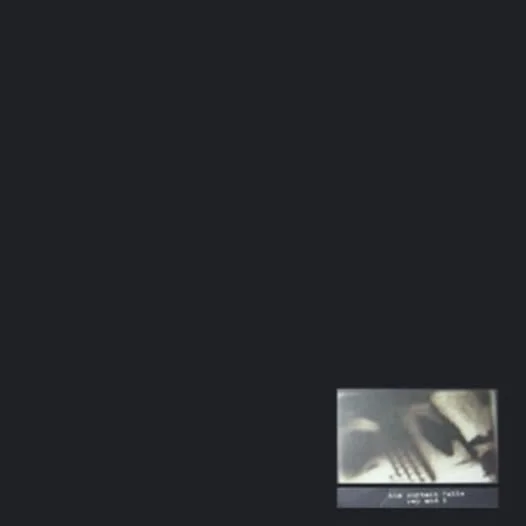
You and I - The Curtain Falls | Screamo Hall of Fame Class of 1999 Nominee
Release Information:
6/1/1999
Level Plane Records
New Brunswick, NJ (Tri-State)
Runtime: 22:12
Tracks: 8
Band Members:
Casey Boland (Guitar, Vocals)
Thomas Schlatter (Guitar, Vocals)
Justin Hock (Bass, Vocals)
Chris Boland (Drums)
At a Glance:
Screamo, Post-Hardcore, Metalcore, Noisy, Energetic, Melodic
Musical Analysis:
Compared to the precision metallic chugging of their last album, You and I incorporates messier production, more chaotic songwriting and less sharp guitar tones on their sophomore full-length. Despite the quiet-loud dynamics, You and I once again manage to instill their songs with boundless kinetic energy, aided by the powerful vocal performance that mixes screams and cleans. However, the lower volume shifts seem more solemn than before, perhaps giving this record the emotional edge. Taking cues from Indian Summer, much of the transitions between songs on this album sample an old Stevie Wonder song.
Historical Analysis:
By 1999, You and I had already established themselves as the Screamo Kings of the LI-NJ Hardcore scene, even far outpacing bands like Saetia. With the release of their swan song The Curtain Falls, they further cemented this notion. Their popularity began blossoming, playing shows as far as Chicago, IL, New Bedford, MA and Nottingham, UK! However, this legacy would soon be paved over and their immense contributions to the genre would be somewhat shoved to the wayside. Alas, this is why You and I again missed the Hall of Fame - but their two amazing LPs still deserve recognition.
Lyrical Analysis:
Utilizing multi-layered lyrics from multiple vocalists, You and I seems to take their name seriously. Their personal lyrics regarding ongoing trauma and the struggle for self-reclamation, the fear of confessing love and being vulnerable, trying to find meaning in a chaotic world - all of these are blended with political issues like the scripting of freedom in Capitalism and the corrosion of unity amidst rampant individualism. In the end, all they have left - individualism, love, family - collapses underneath them with little hope left.
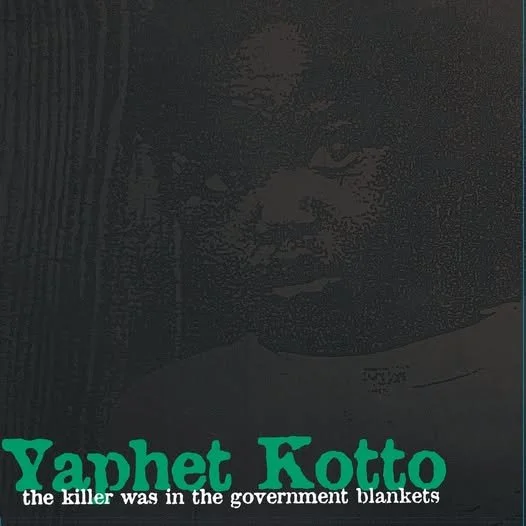
Yaphet Kotto - The Killer Was in the Government Blankets | Screamo Hall of Fame Class of 1999 Nominee
Release Information:
1999
Ebullition Records
Santa Cruz, CA (NorCal)
Runtime: 33:01
Tracks: 9
Band Members:
Casey Watson (Guitar, Vocals)
Mag Delana (Guitar, Vocals)
Pat Crowley (Bass)
Scott Batiste (Drums)
At a Glance:
Screamo, Post-Hardcore, Emocore, Melodic, Energetic, Technical
Musical Analysis:
This record definitely gives off “Bay Area Screamo” vibes, though perhaps a hair older than some of the other NorCal classics. It takes the dynamic and emotional nature of Screamo, combines it with the melody, clean vocals, and riffs of late 90s Post-Hardcore, brings in a few elements of Emocore, and unveiled it to the world with this, their debut LP. There are tons of memorable riffs and strong melodies from the guitarists, seemingly the primary focus of this project, and the screamed / clean vocal combination amps the emotionality up severalfold. Some more traditional “Punky” moments come in where you can hear the blatant Emocore influence, contrasting the otherwise quite technical performance in most tracks.
Historical Analysis:
Although not the first album (or band) you’d consider when discussing the legacy of Bay Area Screamo, this seedling of a concept would continue to get fleshed out by legends like Funeral Diner and City of Caterpillar. This enigmatic Hardcore cocktail would serve as the basis for a melodic and experimental approach to the genre that this region would eventually be known for. Despite this quality and its forward-thinkingness, this record comes just shy of a proper HoF induction.
Lyrical Analysis:
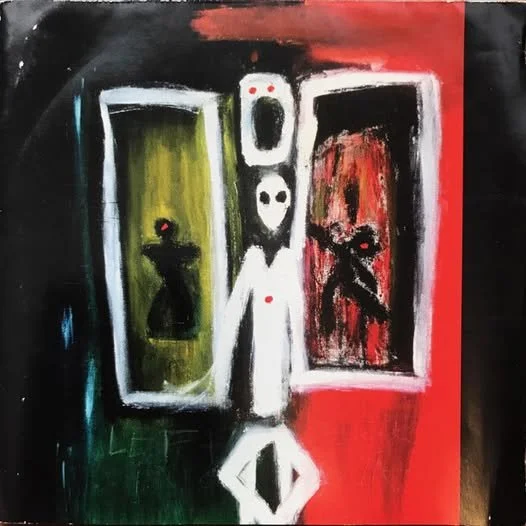
Just by giving the cover of this record a brief glance, you can tell this is inherently political. These harrowing lyrics explore the relations between imperialism and religion, noting the historial revisionism that enables it, paradoxically working within a system that grinds you down and the myth of meritocracy. With violence so woven into the fabric of American life, we are all complicit in the sins of our history. Even when discussing interpersonal relationships, Yaphet Kotto can’t help but compare this to a war with no winners, each side assuring mutual destruction.
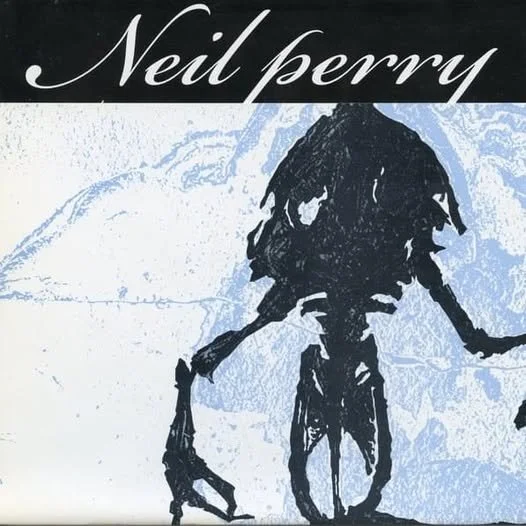
Neil Perry - Neil Perry | Screamo Hall of Fame Class of 1999 Nominee
Release Information:
1999
Spiritfall Records
New Jersey
Runtime: 9:40
Tracks: 9
Band Members:
Josh Jakubowski (Vocals)
Chris Smith (Guitar)
Justin Graves (Bass, Vocals)
Derek Luckenbach (Drums)
Justin Graves
At a Glance:
Screamo, Emoviolence, Noisy, Chaotic, Complex
Musical Analysis:
Neil Perry's debut is noisy and unstable, resembling a thousand jagged shards of glass crashing across the fretboard. The songs tend to shift back and forth between boisterous mid-tempo heaviness and insane, nigh-indecipherable freneticism, switched jarringly in a Powerviolent manner. The manic vocal performance puts this over the top while the occasional clean arpeggio sneaks into the mix to fill the gaps.
Historical Analysis:
Neil Perry's name is synonymous with Screamo greatness in the late 90s-early 00s, though this debut LP is the closest they've ever been to a proper solo release. From here on out, Neil Perry would only release splits with a who's who of Screamo royalty and sprinkle in the occasional single. They would later cement their legacy with an era-defining comp, which we will eventually cover. However, despite not making a large impact with this individual release, it deserves a mention among the other greats.
Lyrical Analysis:
*Please note that the lyrics for this EP have never materialized, so I won’t be able to do a lyrical analysis. If the lyrics can ever be dug up, I’ll reevaluate this.*
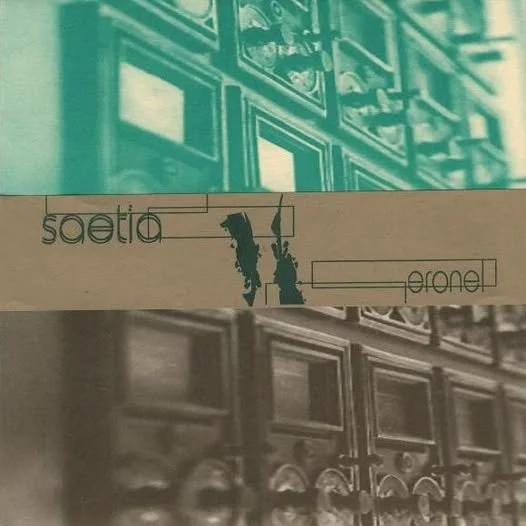
Saetia - Eronel | Screamo Hall of Fame Class of 1999 Nominee
Release Information:
1999
Witching Hour Records
New York, NY (Tri-State)
Runtime: 10:56
Tracks: 3
Band Members:
Billy Werner (Vocals)
Jaime Behar (Guitar)
Colin Bartoldus (Guitar)
Steve Roche (Bass)
Greg Dundy (Drums)
At a Glance:
Screamo, Midwest Emo, Math Rock. Melodic, Complex, Dynamic
Musical Analysis:
This EP is riddled with uncommon time signatures, complex rhythms and melodies and passionate vocals, which says nothing of how maturely and expertly these elements are stitched together. Delicate guitars, subdued drums and gentle but active basslines define the more fragile and quiet moments on here, smoothly switching to distorted tones, boisterous drumming and wild bass with ease. The high-pitched shrieks from their earlier work return, but Billy Werner’s utilizes other impressive vocal techniques like shouting, crooning clean notes and spoken word, giving the music another cryptic layer.
Historical Analysis:
Low-key, this is their best recorded material. It’s a testament to the increasing technicality and artistry of their music, even if these particular songs tend to go by the wayside when discussing Saetia and their material.
Being the band’s final recorded material for over a quarter-century, it was naturally the closest resemblance to what would become of this band - Hot Cross and Off Minor. There are definite similarities between the bands’ respective 2002 debut EPs and this 1999 one.
Lyrical Analysis:
Saetia once again poetically lean into personal tragedy and existential themes on their lyrics, somehow always coming back to a seemingly universal truth that they shared with their peers: the power of language tends to fail us. In particular, Werner digs into the struggles with self-indentity under the weight of unfulfilled potential, the existential misery of living through borrowed meaning in life and feeling unworthy of love.
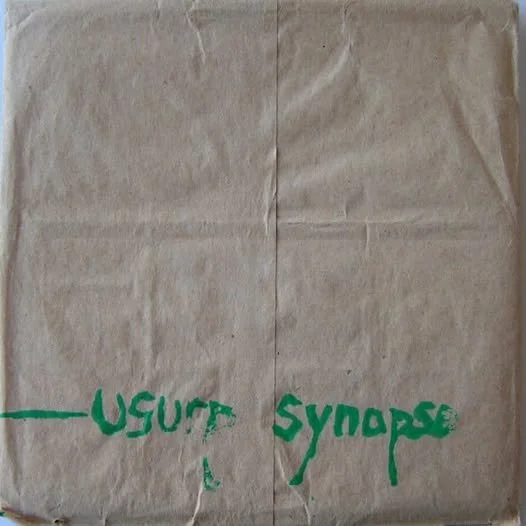
Usurp Synapse - This Endless Breath | Screamo Hall of Fame Class of 1999 Nominee
Release Information:
09/1999
Happy Couples Never Last Records
Lafayette, IN (Midwest)
Runtime: 11:41
Tracks: 8
Band Members:
John Scott (Vocals)
Don Kirkland (Guitar)
Dustin Redington
Tony Dyer (Bass)
Travis Chance (Drums)
At a Glance:
Emoviolence, Grindcore, Dussonant, Noisy, Dynamic
Musical Analysis:
This Endless Breath is one of the nastiest Emoviolence releases of the 20th century, taking cues from both the dynamism of bands like Reversal of Man and the brutality of artists like CWV, meeting somewhere in the middle compared to those bands’ 1999 efforts. Harmony is very distant from this project, rooting itself in discord and depravity. Even when the Grindy blastbeats are held at bay, the tension in their quieter sections almost matches the intensity of their explosiveness. The brutal and hoarse vocal performance seals the deal by pushing the insanity of the music into overdrive.
Historical Analysis:
This record is the very first blast of solo material for this infamous band, and it stands as some of their best. Their at-the-time unique approach to the genre fleshed out Screamo as a whole that much more. Even though the band is still kicking in one form or another, this contribution definitely flies under the radar in the grandness of Screamo Canon.
Lyrical Analysis:
Usurp Synapse uses brevity and absurdism in their lyrics to touch on some grizzly subjects, such as snapping under the weight of being “good,” the lie of nostalgia and how life is scripted. There’s a real sense of nihilism in these lyrics where the entire world sucks and/or is out to get you - can one mistake really ruin your life and legacy? Is the future really just a broken mirror? Is human affection just a performance? The band certainly seems to believe so, with their rabid emotions transferring from the lyrics sheet to the music.
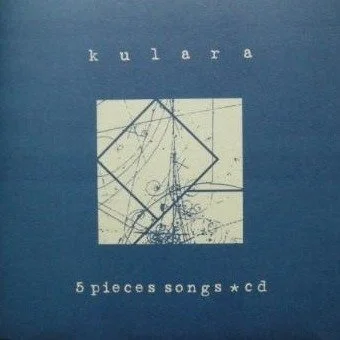
Kulara - 5 Pieces Songs | Screamo HAll of Fame Class of 1999 Nominee
Release Information:
1999
Never Shown Face Records
Tokyo, Japan
Runtime: 24:56
Tracks: 5
Band Members:
Murase (Vocals)
Nakagawa (Guitar)
Tanaka (Guitar)
Takaya (Bass)
Kimura (Drums)
At a Glance:
Screamo, Prog, Math Rock, Post-Rock, Dissonant, Dynamic, Complex, Experimental, Noisy, Atmospheric, Dense
Musical Analysis:
The best word I can use to describe this sound is “disorienting,” as the musical complexity, masterclass dissonance and volume dynamics are all wrapped in this unique Progressive aura of experimentation. Slow, disharmonious sections composed from a tense atmosphere and a chilling melody will jarringly and frantically switch to a chaotic section of screaming and uncontrolled musical mayhem, a regular occurrence. It’s quite difficult to transcribe the sound of this beast into English, so I’m just going to recommend you listen for yourself and hear the magic unfold before your ears.
Historical Analysis:
Following Envy’s 1998 LP, Japanese Screamo began to experiment and refine itself, and no artist in the country represented that better than Kulara. After a few middling Screamo EPs, this 1999 release defined them as true innovators in Screamo with this Prog-adjacent masterpiece. The experimentation on here is unlike anything heard before OR after, evidenced by how difficult it was to conceptualize the sound in words. Although this particular release didn’t set the world on fire, it remains one of the crowning achievements of early Japanese Screamo and deserves to at least be mentioned in the same breath as other greats from the 90s.
Lyrical Analysis:
*Please note any lyrical analysis on my end may lack cultural nuance and accuracy in the translation.*
The EP takes you on a remarkable lyrical journey through anxiety and isolation, the violence of silence, losing sanity, the machinization of humanity and the illusion of autonomy. There’s a bitter sense of helplessness as language fails us and cycles of violence trap us. However, perhaps being insane in an insane society is the only true escape. Maybe, to break these miserable patterns chosen for our lives, we must shatter the patterns and destroy the self. Appropriately, this is a bit of Eastern wisdom after 25 minutes of catharsis.
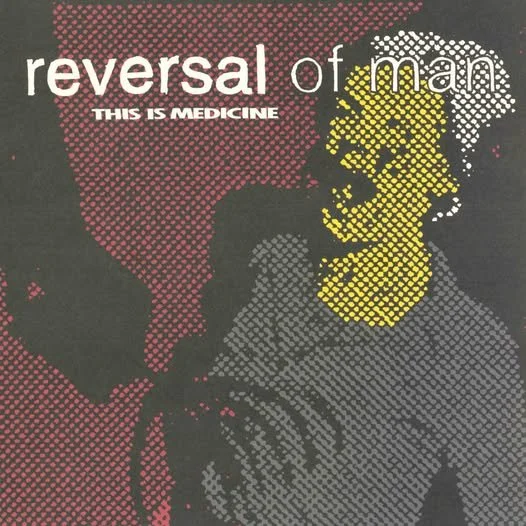
Reversal of Man - This Is Medicine | Screamo Hall of Fame Class of 1999 Nominee
Release Information:
8/9/1999
Ebullition Records
Tampa. FL (Southeast)
Runtime: 18:41
Tracks: 16
Band Members:
Matt Coplon (Vocals)
Dan Radde (Guitar, Vocals)
Jason Crittenden (Guitar)
Jeff Howe (Bass, Vocals)
John Wiley (Drums)
At a Glance:
Emoviolence, Raw, Dark, Dissonant, Frenetic
Musical Analysis:
This record encapsulates suffering unlike anything before it, utilizing dynamic aggression, dissonant guitar and boisterous drumming. Most songs have only two gears: quieter, intense and dissonant sections that build the music up, and the most frantic and dissonant bursts of anger and chaos. Wrapping this gnarly package up are sinister screamed vocals, headed by Matt Coplon.
The entire listen breezes through in large part due to this album's impeccable sense of flow and kineticism; each track emanates with danger in equal measure to the energy put in, and, combined with the songs seamlessly bridging together, gives a small measure of accessibility to an otherwise unholy package.
Historical Analysis:
This release solidified Reversal of Man as one of the great Emoviolence artists of the 90s. Its influence on the local scene and beyond, and the extraordinarily high musical standards they set, are still revered to this day.
This EP also demonstrates a different aspect of the genre than fellow Tampanians Combatwoundedveteran, eschewing Grindcore in favor of dissonance and dynamism. While you can argue which is the better album, This Is Medicine seems to have slid more into obscurity, possibly a cult classic or hidden gem. By my own admittedly arbitrary standards, I have to leave this one out of the Hall and it makes me sad.
Lyrical Analysis:
Matt Coplon’s brevity and directness are at the core of his lyricism, aiming at political and social injustices with decided rage and worldly allusions and references. The primary antagonist of this album is the corrosive power of fascism and capitalism. We see how, in the calculus of power, human life is disposable, war is theft, justice is selective, morality justifies violence, and technology tightens like a noose around society’s neck. Personal issues like guilt over failing relationships and the grief of untimely death rear their ugly heads in this mess as well, while other systems and communities are thrown strays: the news is indoctrination, not information; the Punk scene has fallen to branding over rebellion; the absence of personal connection powers the deadly machine of consumerism. These are not the most original lyrical topics in this scene, but they’re executed succinctly and in line with the amazing instrumentals.
Combatwoundedveteran - I KNow a Girl Who Develops Crime Scene Photos | Screamo HAll of Fame Class of 1999 Inductee
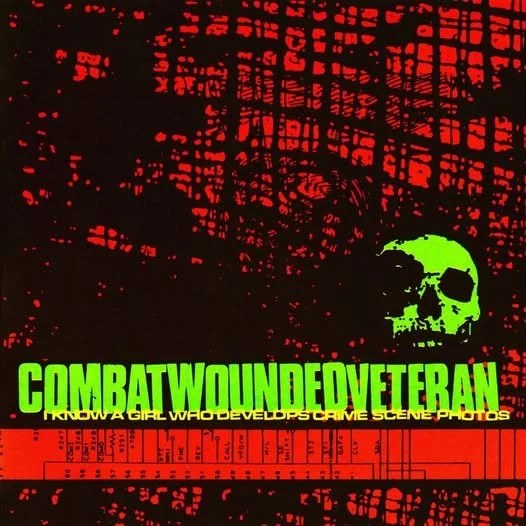
Release Information:
7/1/1998
No Idea. Records
Tampa, FL (Southeast)
Runtime: 19:09
Tracks: 19
Band Members:
Christopher Norris (Vocals)
Dan Raade (Guitar)
Bill (Guitar)
Dan Ponch (Bass, Vocals)
Mark Muenchinger (Drums)
At a Glance:
Emoviolence, Grindcore, Noisy, Manic, Aggressive, Sassy, Suffocating
Musical Analysis:
CWV delivers a noisy and oppressive Emoviolence album with this, their sole full-length effort. The Grindcore and Powerviolence influences are more prominent than ever with the distorted, metallic guitar riffs and chugs operating at a near-incomprehensible level, matching the suffocating and cacophonous drum performance. Tying the whole package together is the personality-and-brutality-driven vocals of Chris Norris (with backup from Dan), bringing the entire concoction to a fever pitch.
The only reprieve you get while listening to this record are the various samples that bridge some of the tracks together. Even then, most of these samples are strong political statements (or something silly to the same effect).
Historical Analysis:
This album is infamous for how deranged and stifling it is, integrating the heaviest of late 90s Hardcore and bashing it against their own fiery brand of Emoviolence. This release contrasts with Orchid’s 1999 classic Chaos Is Me on the production side, favoring the heaviness and sharpness of their distortion while Orchid’s wall of sound possesses a warmer tone. Both of these albums would be seminal for Emoviolence’s success in 1999 and beyond, but Grindcore would soon fall out of favor as a mixer. Because of this, even today, this is one of the heaviest and most insane Emoviolence records ever released.
Lyrical Analysis:
Confrontational, absurdist, self-deprecating and violent don’t even begin to describe the many, many lyrics on this album. Christopher Norris takes aim at everybody and everything; a constant thread is late-stage Capitalism, its dehumanizing nature, the manufacturing of desires, the destruction of authenticity, its pervasive control over all systems in life, human bodies being treated like machines, and modern Manifest Destiny. The Punk scene is also a common victim, as their lyrics spout about toxic masculinity in the scene and the anesthetic nature of mainstream art.
However, among the grotesque body horror imagery and biting metaphors lie messages of hope: even if civility is a lie, heroism is a joke, perfection is a lie and failure is guaranteed, in a world built for control, what they call weakness is your true strength. Use it to end cyclical violence, religious indoctrination and even destroy yourself - and everything you believed up to this point.
Orchid - Chaos Is Me | Screamo HAll of Fame Class of 1999 Inductee
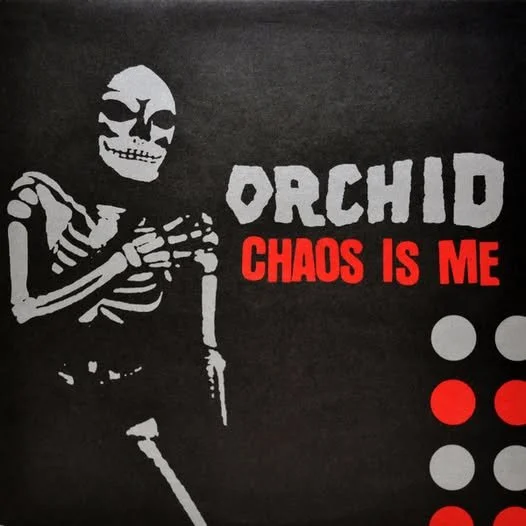
Release Information:
6/21/1999
Ebullition Records
Amherst, MA (New England)
Runtime: 18:24
Tracks: 11
Band Members:
Jayson Green (Vocals)
Will Killingsworth (Guitar)
Brad Wallace (Bass)
Jeff Salane (Drums)
At a Glance:
Emoviolence, Chaotic, Disorienting, Dense, Complex, Noisy
Musical Summary:
Orchid unleashed one of the darkest and most explosive Emoviolence ever with this album, establishing absolute anarchy with dense, overwhelming guitar, complex rhythms, blistering tempos, intense emotive screaming and a wall of sound approach to production that you can easily get lost in. These studio choices mirror the chaotic nature of the songwriting, crank up the immediacy and add a foreboding atmosphere to songs that already feel dangerous to listen to.
Structurally, many of the songs on here are somewhat similar, but Will Killingsworth and Jeff Salene craft technical, memorable chord progressions and rapid-fire syncopation to differentiate the songs. These masterful arrangements are tied together by Jayson Green's brutal and harrowing vocal performance, imparting bitterness and anger with every syllable. Putting a bow on this package are brief respites of melodic guitar and calmer tempos which build tension and contrast the chaotic moments further.
Historical Summary:
Simply put, there may not be a more important Emoviolence or Screamo record than Chaos Is Me. Not only is this release revered in the Screamo community, it’s one or the biggest records in the genre, period. Although Emoviolence was developing without them, Orchid may very well be the biggest Emoviolence band ever, and this is the record that began their legendary run of releases.
The genre would never be the same again, eschewing the overt Grind influence and developing a signature sound of its own in the mold of this chaotic beast. The quest for “heaviness” in the Emoviolence was a burden that this album put to rest in favor of more dissonance, more emotion and more experimentation.
Lyrical Summary:
"Chaos Is Me" translates from the French phrase “le désordre, c’est moi,” a slogan coined during the period of civil unrest and general strikes across France known as May '68. During this time, leftists, students, and unions fought against capitalism and imperialism. Starting the album with a title track (of sorts) serves as a powerful opening salvo for Orchid’s manifesto of frustration. Jayson’s lyrics convey disdain for punk's descent into materialism and insincerity, an urgent call to rebel against gentrification and commercialism, and a lament for his failing relationships — including his relationship with himself. These confrontational words are aimed at the music scene, society and institutions of power. Simply put, they're PISSED at EVERYTHING.