

Hello, everyone! Welcome to the hub for my Deep Dive project Establishing Screamo Canon: From Chaos to Catharsis! 2025 was the Year of Screamo and, while I didn’t quite get to my goal of covering Screamo from the 90s through 2015, getting through the 90s wound up being a Herculean feat in and of itself. I’m quite proud of this accomplishment! The series will continue indefinitely as I have time for it, but getting it up onto the website was very important. Please refer to the Overview post for more information about the series and the various sub-series within.
Below you can sort by subseries or via a tag cloud, weighing the most commonly-used tags such as artists, release years, record labels, locations, genres and even descriptors! Please keep an eye on this as the series continues! Alternatively, you may use the below search function to find anything you might be interested in reading about within the series. Please note that when you click one of the following links, you will have to scroll past the welcome and navigation sections to access the content.

- Emoviolence
- Dynamic
- Dissonant
- Chaotic
- Frantic
- Melodic
- 1999
- Post-Hardcore
- Raw
- 1997
- Hardcore Punk
- 1998
- Noisy
- 1996
- Emocore
- Florida
- SoCal
- Lofi
- Noise Rock
- Atmospheric
- Metalcore
- Post-Rock
- Midwest Emo
- Energetic
- Grindcore
- Canada
- Complex
- Massachusetts
- Reversal of Man
- Independent
- NorCal
- 1994
- Ebullition Records
- Orchid
- Manic
- France
- New York
- New Jersey
- Aggressive
- Gravity Records
- Sass
- Mountain Records
- Pennsylvania
- Dark
- Combatwoundedveteran
- Intense
- Witching Hour Records
- The Great American Steak Religion
- Dense
- Cold
- Metallic
- Technical
- Virginia
- Eclectic
- South Carolina
- 1993
- 1992
- Saetia
- Playful
- Three One G Records
- Frenetic
- Math Rock
- Powerviolence
- Indiana
- Driving
- You and I
- Puritan
1997: The State of Screamo
During this year, Screamo continued to be experimented with and iterated upon by several influential artists in the genre, including Saetia. However, I can’t say that by this year, there was a universally-defined notion of what Screamo was or could be. Instead, several different subsects emerged: furious, uncontrollable Emoviolence and dissonant, dynamic Screamo. This is not to simplify the genre by any means, but those are generally the trends that we can observe. Here are the notable releases for the year:
Snapshot
Screamo Hall of Fame Inductee:
Saetia - Saetia
Screamo Hall of Fame Nominees:
Anomie - Anomie
Closure - Closure
In/Humanity - The History Behind the Mystery: Music to Kill Yourself To
Petit Printemps - Démo
You And I - Saturday’s Cab Ride Home
Connective Tissue:
His Hero Is Gone / Uranus
Enemy Soil / Reversal of Man
Stack / Carol
Peu être / Carther Matha / Rachel
Holy Grails:
Angel Hair - Pregnant With the Senior Class
Heroin - Heroin
Swing Kids - Discography\
Additional Releases:
Akephal - Akephal
Early Grace - And All I Run Into Are Walls You Have Built
Cattle Decapitation - Ten Torments of the Damned
Eurich - The Unified Field Theory
The Encyclopedia of American Traitors - The Encyclopedia of American Traitors
Mentioning Metalcore
Much like Screamo, Metalcore is a subgenre of Hardcore that developed in the early 90s and began taking hold on the Hardcore scene by 1997, even if the genres’ respective peaks weren't quite here yet. Despite this, several Metalcore icons had already left their stamp on the genre, such as Converge and Snapcase. It should come as no surprise that by 1997, there was some cross-pollination between the two, such as experimental German Metalcore bands Zorn and Mörser incorporating Screamo into their works and French Screamo outfit Anomie putting those sweet Metalcore riffs into their songs.
Arguably, the breakout band that synthesized the two genres into one beautiful creation was New Jersey’s own You And I. Their seminal album Saturday’s Cab Ride Home provided the perfect blueprint for this mixture with emotional intensity, technical guitarwork and endless energy. This particular concoction was a blueprint for many influential Screamo bands to iterate upon as we enter some of the most legendary times for both of these Hardcore offshoots.
Hardcore Ecosystem
Outside of Metalcore, 1997 showed us just how incorporated Screamo was to the Ecosystem of Hardcore music. The earliest Proto-Screamo did begin by taking elements from disparate Hardcore styles and uniquely merging them together, after all! Hardcore was still extremely niche in the late 90s, and the subgenres even more so. Frequent tours with other types of bands in the same ecosystem was common and the many splits released this year showcased the collaborative spirit of Hardcore. Powerviolence, Grindcore and Crust Punk were among the various influences on Screamo, demonstrating the genre’s ability to absorb and reinterpret these elements into its own unique world of brutality.
Celebrating San Diego
While compilations in Hardcore weren’t a novel concept, Screamo’s culture of preserving collections of obscure music and celebrating the greats of the past began early. In particular, San Diego-based labels Gravity Records and Three One G Records celebrated their seminal bands with several exhaustive compilation albums. Gravity’s Heroin was among the first bands to tread the hallowed ground of this genre, so a compilation for them was natural. Their drummer, Aaron Montaigne, would go on to form Antioch Arrow and truly define early Screamo and Sasscore. They also released a comp for Angel Hair who, while not based in SD, was very influenced by the sound.
Three One G and Swing Kids founder Justin Pearson released a Swing Kids discography this year, which is somewhat self-indulgent if you think about it but very well deserved for its wide-ranging impact. These compilations celebrate the contributions of SD and SD-adjacent bands, as well as the record labels that made them happen. We would see plenty of compilations in the future of this genre, but San Diego setting the tone with these three is appropriate.
The Pieces Are Falling
So far, we’ve seen Screamo influenced by a wide variety of genres, including Hardcore, Metalcore, Powerviolence, Grindcore, Post-Rock, Midwest Emo and others. The experimentation in just ~5 years has been tremendous, but the pieces are about to be put together for a truly cohesive sound. Saetia’s s/t release this year previews the future of the genre well, mostly because it’s molded in their image. However, Emoviolence was poised to explode, so the slower and more melodic side of Screamo was on the cusp of its own revolution.
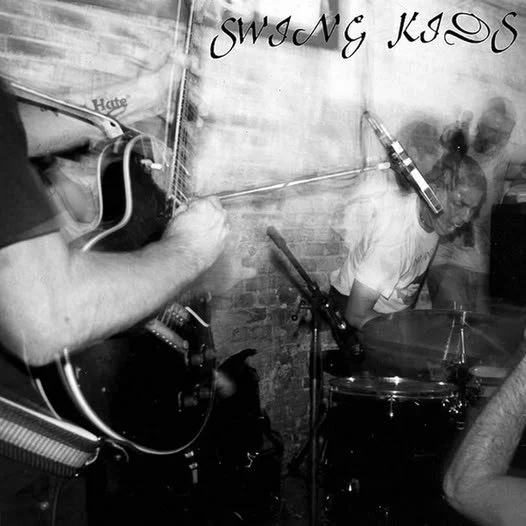
Swing Kids - Swing Kids | Holy Grails 1997
The Artifact:
1997
Three One G Records
Runtime: 19:58
Tracks: 9
Artifact Characteristics:
Post-Hardcore, Screamo, Proto-Sass, Hardcore Punk, Eclectic, Frantic, Chaotic
Artifact Archeologists:
Justin Pearson (Vocals)
Eric Allen (Guitar)
John Brady (Bass)
Jose Palafox (Drums)
Artifact Contents:
Every track from their 1994 s/t
Every track from a split with Spanakorzo
An original track that would feature in a future comp
Artifact Echoes:
Spastic, experimental and playful Screamo is all you're going to find on this record, documenting every song from the band thus far. Although you can still piece out the traditional Hardcore influence, dissonance, rhythmic unpredictability and general chaos are all elements these early pioneers utilized to keep listeners on their toes. The band can transition between a rapid-fire verse fueled by unhinged screaming and overwhelming drums to a sarcastic jazzy number played with great skill and technicality.
Artifact Legacy:
Justin Pearson is an important figure to underground music, especially in San Diego. He started Three One G Records, starred in Swing Kids as their vocalist and went on to form Sass and Hardcore legends The Locust. However, Swing Kids’ Discography is enough of a reason to celebrate; the mark this band left on San Diego, Hardcore music, Screamo. Sasscore and underground music as a whole cannot be ignored. Swing Kids achieved levels of pandemonium very few before them could have hoped for while injecting heaps of personality, a brutal and fun concoction that we are still enjoying the influence of over 30 years later.
Artifact Value:
Originally released in 1997 in CD format, there were several reissues, including a notable one in 2002. The original CD is pretty obtainable, though a 2003 vinyl pressing could be difficult to obtain these days. The band made a few random comebacks in later years, releasing two new songs along the way and necessitating another compilation release in 2020. Whether or not that makes this release less valuable, it's absolutely worth obtaining for fans of the band, early Screamo or the San Diego sound.
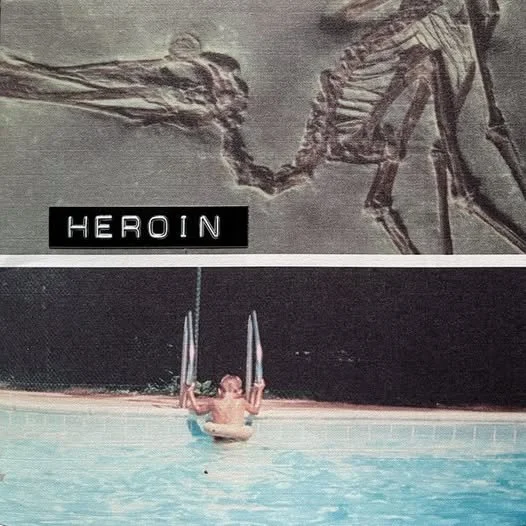
Heroin - Heroin | Holy Grails 1997
The Artifact:
1/14/1997
Gravity Records
Runtime: 47:04
Tracks: 19
Artifact Characteristics:
Post-Hardcore, Proto-Screamo, Noise Rock, Hardcore Punk, Emocore, Raw, Intense
Artifact Archeologists
Matt Anderson (Vocals)
Scott Bartoloni (Guitar)
Ron Johnson (Bass)
Aaron Montaigne (Drums)
Artifact Contents:
Every track from All About Heroin
Every track from their 1992 s/t
Every track from their 1993 s/t
Three original tracks
Artifact Echoes:
Legends of early 90s Proto-Screamo and one of the original bands to explore this sonic space, Heroin took the power and fury of Hardcore, illuminated it with the melody and dynamism of Emocore and added in their own Post-Hardcore fixings to craft a noisy and raw discography. The singer’s shouted screams inject the music with even more immediacy and emotion, the guitarist didorients with breakneck chord progressions and heaps of noisy dissonance; the bass packs with it a sense of danger and the drumming is frantic and chaotic, effectively putting the formula in a blender. These pieces came together to from the early blueprints of the genre.
Artifact Legacy:
Listening through this compilation album showcases the band's evolution over the two years they were active, tracking their increased use of melody, dissonance and intensity. In addition to pioneering this genre and shaking up the early 90s Hardcore scene, Heroin's direct influences reached so many early Screamo bands, especially to the influential and genre-defining Gravity Records rostermates. Their drummer would form Antioch Arrow shortly after this band broke up, adding even more chaos and unease to the developing genre. However, that experimental edge was first put to use in Heroin.
Artifact Value:
Gravity Records released this comp in 1997 with several versions, allegedly including a rainbow pressing. All four versions I could find seem to be relatively inexpensive, with the price likely lowering a few years ago after Heroin released a new compilation album.
Angel Hair - Pregnant With the Senior Class | Holy Grails 1997
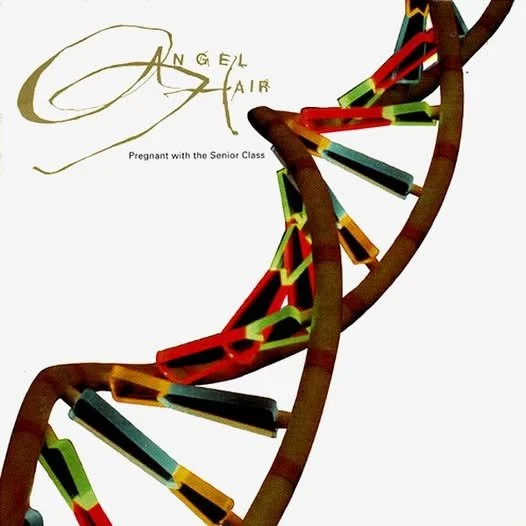
The Artifact:
1997
Gravity Records
Runtime: 46:36
Tracks: 18
Artifact Characteristics:
Screamo, Post-Hardcore, Noise Rock, Dissonant, Frantic, Sassy
Artifact Archeologists:
Sonny Kay (Vocals)
Joshua Hughes (Guitar)
Andy Arahood (Guitar)
Todd Corbett (Bass)
Paul Iannacito (Drums)
Artifact Contents:
Every track from Insect Mortality
Both tracks from a split with The Fisticuff Bluffs
Their track from a split with Kerosene 454
Every track from their 1994 s/t
Both tracks from a split with Begin Cancer Run
An untitled original track
Artifact Echoes:
Angel Hair’s Noise-oriented mid-90s Screamo sound is reminiscent of early greats like Heroin and Mohinder, but even darker and more vile. Sonny Kay’s signature screams are diabolical and passionate, matching the dissonant, dark guitar riffs and the uneasy feedback. In typical Gravity Records fashion, the band is experimental and shows off quite a bit of personality. They aren’t quite as “out there” as Antioch Arrow, keeping themselves grounded in a punishing mid-tempo assault that occasionally pushes into spastic territory.
Artifact Legacy:
This discography compiled their random, fragmented releases together into a neat package with quite the legacy behind it. This might just be the earliest Screamo comp to secure a band’s legacy and their influential contributions to the genre - which by 1997 was still in its formative years. Supposedly, all of the content on here was recorded in the year 1994, showcasing how eclectic the Gravity Records scene was at the time. The band would break up at the onset of 1995, so this Holy Grail serves to honor a noisy and depraved early entry into Screamo Canon. In fact, by the time this compilation was released, The VSS (the Sasscore successor to Angel Hair) had already come and gone, leaving an indelible mark on Sass as well.
Artifact Value:
This compilation was released as a CD and was never reissued. It doesn’t seem to be that rare or expensive these days so grab this up if you can!
Peu être / Carther Matha / Rachel | Connective Tissue 1997
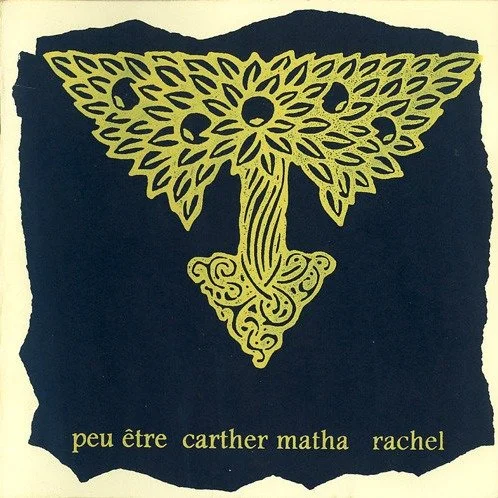
Peu être
(Niort, Nouvelle-Aquitaine, France)
Gérome Desmaison
Laurent Daudin
Mike Ramounet
Carter Martha
(France)
Antoine De Lassée
Eric Surmont
Gérome Desmaison
Sébastien Janouin
Rachel
(France)
Nicolas Marilleau (Vocals)
Antoine De Lassée (Guitar, Vocals)
Laurent Daudin (Guitar)
Eric Surmont (Bass)
Sébastien Fouet (Drums)
Basic Info:
Release Date: 1997
Label: Le brun le roux corporation
Runtime: 1:11:18
-Peu être: 22:16
-Carther Matha: 26:46
-Rachel: 22:16
Tracks: 26
-Peu être: 8
-Carther Matha: 11
-Rachel: 7
Genres, Influences and Characteristics:
Screamo, Melodic, Dynamic
Points on a Timeline:
With eight members between the three bands and more than their share of cross-pollination, these staples of the 90s French Screamo scene came together at very similar points in their lifespans. All three bands started off in the mid-90s with demos, with perhaps Peu être forming and releasing their material first in ‘94. This split would be the last major work from any of these bands, however; Peu être didn’t release any material after this until their brief reformation in 2011. For Carther Matha, this would be the last the world would hear from them. Rachel would continue as a band the longest, releasing their final EP in 2001.
Shapes in the Sound:
Right off the bat, I need to address this: yes, these bands do sound fairly similar, but as I’ve previously mentioned, there are only eight interconnected members among these bands, all likely from the same region of Western France, so this tracks. As far as similarities go, they all have the “French Screamo” sound. What is that? It’s the marriage of emotional intensity, dynamic aggression and gorgeous melodies, melding them together in a winning formula that would be iterated upon for years to come.
Peu être utilizes dense guitar textures to craft atmosphere, Carther Matha have very-defined clean sections and have the closest ties to Hardcore, and Rachel, with perhaps the gnarliest vocalist of the bunch, packs their tracks with more length, bigger builds and emotional gravitas.
Threads in the Tapestry:
Simply put, this is a statement release for French Screamo and Western France. Several prominent musicians collaborated on this ambitious release, with each band contributing an LP's worth of music to the cause. This release would fade into obscurity as the genre grew in prominence, particularly in France, but the 1+ hours of pure 90s French Screamo preserves in amber an active and important scene in the development of this intense genre.
Stack / Carol - Welcome to Bremen / South of Hessen | Connective Tissue 1997
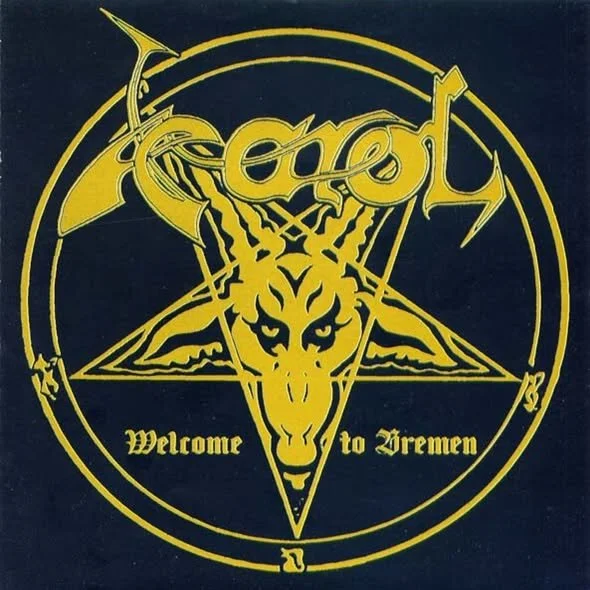
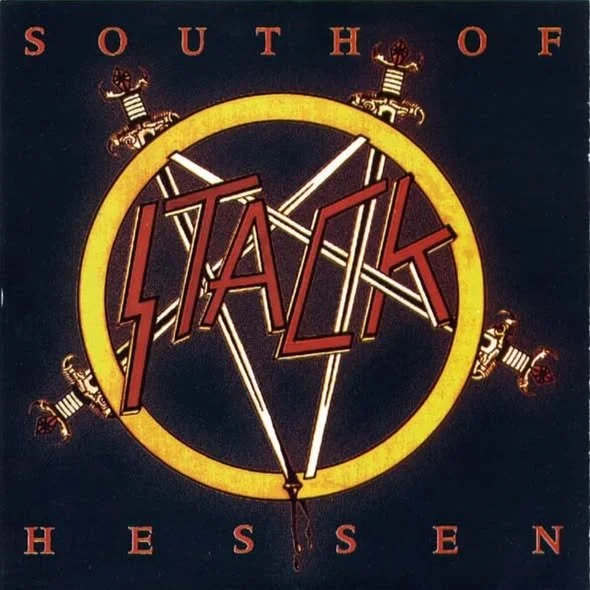
Stack
(Germany)
Bernd Bohrmann (Vocals)
Chris King (Guitar)
Marcel Hammenman (Guitar)
Michael Araya (Bass)
Ralf Lombardo (Drums)
Carol
(Bremen, Bremen, Germany)
Björn Schmidt (Vocals)
Andy Lehmann (Guitar)
Matthias Trenne (Bass)
André Wendelken (Drums)
Basic Info:
Release Date: 1997
Label: Summersault Records
Runtime: 9:34
-Stack: 5:43
-Carol: 3:51
Tracks: 4
-Stack: 3
-Carol: 1
Genres, Influences and Characteristics:
Powerviolence, Screamo, Metalcore, Heavy, Frantic, Playful
Points on the Timeline:
Stack had sporadically released demos, EPs and splits from the mid-late 90s, with this being one of those splits. They would release their magnum opus in 2001, their first LP and final official record. meanwhile, Carol was a short-lived Screamo project that begat one solid EP in ‘95 and this split two years later. This would be their final release until a comp came out many, many years later.
Shapes in the Sound:
Stack is a bona fide Powerviolence outfit with fast, short tracks, tempo shifts and frenzied drumming. Still, there is a carefree side to the band - after all, having an album title and cover referencing Slayer and including a cheesy Power Metal sample isn't very typical in striving brutality. By contrast, Carol's side is concentrated Screamo fury, beginning with a tense, slow intro before devolving into utter chaos. This is perhaps the darkest, craziest track from this band yet.
Threads in the Tapestry:
North and Central German Hardcore scenes merge in this wonderful split. These two obscure bands decided to come together and showcase the German Hardcore scene, its variety and the sheer quality that it was capable of. This would not be Stack's final foray with Screamo, and we will see them again soon.
Enemy Soil / Reversal of Man | Connective Tissue 1997
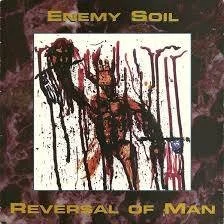
Enemy Soil
(Sterling, VA)
J.R. Hayes (Vocals)
Richard Johnson (Guitar, Vocals)
Russ Mason (Bass, Vocals)
Brian Harvey (Drums)
Reversal of Man
(Tampa, FL)
Matt Coplon (Vocals)
Jasen Weitekamp (Guitar)
Jason Crittenden (Guitar)
Jeff Howe (Bass)
John Wiley (Drums)
Basic Info:
Release Date: 1997
Label: Fist Held High Records
Runtime: 9:21
-Enemy Soil: 4:38
-Reversal of Man: 4:43
Tracks: 5
-Enemy Soil: 3
-Reversal of Man: 2
Genres, Influences and Characteristics:
Grindcore, Screamo, Emoviolence, Dissonant, Frantic
Points on the Timeline:
Prolific Grindcore stalwarts Enemy Soil were in the midst of a career-defining year in 1997. This release was one of four splits, one EP and one live EP to come out, almost doubling the previous five years of recorded material unleashed unto the world. However, they’d only be releasing music for a couple more years following this. Regardless, this was their first (and not only) sideswipe into the world of Screamo. Reversal of Man continued their relentless onslaught of releases, with this being their seventh in three years. Their very best work had yet to arrive, however.
Shapes in the Sound:
Enemy Soil's half of the split begins with a ruckus; heavy, deep guitar tones introduce us to the ways of Grindcore while the drums drift into a series of blast beats. The singer carelessly throws his screams around for maximum brutality. Seriously, these songs are sort of insane. Reversal of Man keeps things relatively even-keeled, utilizing a slower Screamo sound often to contrast the bursts of Emoviolence. RoM play with melody on here quite a bit for how aggressive and emotionally intense their songs are.
Threads in the Tapestry:
Although Grindcore wouldn't be the definitive influence on Screamo's development, the Emoviolence boom of the late 90s can undoubtedly give some credit to this subgenre for its speed, ferocity and generally chaotic aesthetic. And, much like how mixed old Hardcore show bills used to be, this split represents the unadulterated mayhem of both Grind and Emoviolence as subsects of Hardcore.
His Hero Is Gone / Uranus - Split E.P. | Connective Tissue 1997
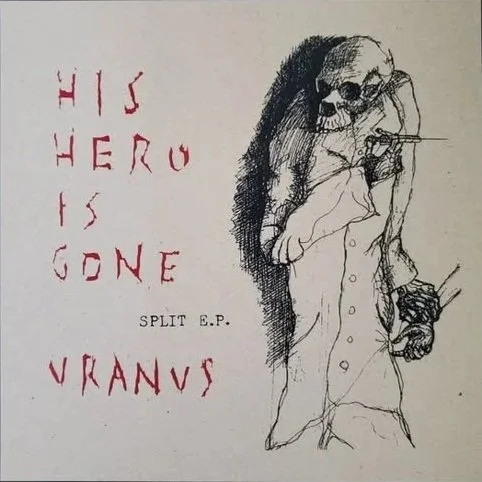
His Hero Is Gone
(Memphis, TN)
Todd Burdette (Guitar, Vocals)
Pat Davis (Guitar)
Carl Auge (Bass, Vocals)
Paul Burdette (Drums)
Uranus
(Ottawa, Ontario, Canada)
Geoff Cousens (Vocals)
Yannick Lorraine (Guitar)
Karl (Guitar)
Matt Bruce (Drums)
Basic Info:
Release Date: 1997
Label: The Great American Steak Religion
Runtime: 23:59-His Hero Is Gone: 9:05
-Uranus: 14:54
Tracks: 11
-His Hero Is Gone: 6
-Uranus: 5
Genres, Influences and Characteristics:
Crust Punk, Screamo, Dark, Aggressive, Dissonant
Points on the Timeline:
After a couple of years as a band producing a demo and an EP, 1997 was a breakout year for Crust Punk legends His Hero Is Gone. Not only did they come out with this split, they released their two landmark LPs in the same year. This would be their hottest year as they’d be broken up before the end of the century. Their contributions on this split would be released under a solo EP called Fool’s Gold a year later. Meanwhile, Uranus was still establishing themselves by ‘97, having only released a demo and a split a few years prior. This would be their last release before their seminal Disaster by Design EP would come out in a year’s time.
Shapes in the Sound:
Although His Hero Is Gone is not a Screamo band by any means, they did release this split with Crust-influenced Screamo band Uranus. The band exemplifies the tropes of the genre to a tee with metallic, down-tuned guitar riffs, pounding D-Beat style drums and a gnarly, gutteral screaming voice. Songs rarely last over one minute and keep a high intensity throughout. Uranus takes many of Crust Punk’s elements, exhibited beautifully by their splitmates, and applies longer song forms, higher-register screaming and more melody.
Threads in the Tapestry:
Although neither side of the split would be considered the bands’ best works, it showcases what Crust Punk is all about and how naturally it can fit into the Screamo formula. These two were on the same side of the continent, but almost 2,000 miles apart. It seems like the spirit of this underappreciated Punk subgenre could not be contained by mere borders.
You and I - Saturday’s Cab Ride Home | Screamo Hall of FAme Class of 1997 Nominee
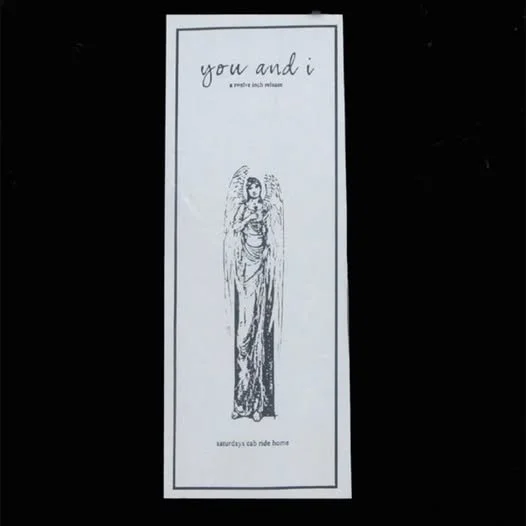
Release Information:
10/18/1997
Spiritfall Records
New Brunswick, NJ
Runtime: 25:34
Tracks: 9
Band Members:
Justin Hock (Vocals)
Casey Boland (Guitar)
Thomas Schlatter (Guitar)
Jonathan Marinari (Bass)
Charles Butera (Drums)
Genres, Influences and Characteristics:
Screamo, Metalcore, Energetic, Melodic, Chaotic, Noisy
Musical Analysis:
Metalcore was a tremendous influence for this band on this record, featuring some genuinely powerful guitarwork filled with melody and technicality. Accentuating the twisted and chaotic screaming is a cheesy, somewhat off key clean vocal performance. Rarely does the band sit still, even when transitioning to lower-intensity levels, largely due to the aforementioned active guitar and the tremendous drumming clinic.
Historical Analysis:
You And I's debut LP marks an evolving genre that further injects brutality with melody and technicality, somewhat similarly to Saeita. Particularly, the guitar work on this record transcends earlier Screamo and previews the intensity and technicality that the genre would be known for. Perhaps this is too much of a Metalcore album to deserve its place in the Screamo Hall of Fame but nonetheless deserves to be recognized for its quality and forward-thinkingness.
Lyrical Analysis:
With a band name like You And I, it’s no wonder that the majority of their lyrics tend to veer into the personal emotional side of the spectrum. Particularly, interpersonal relationships are the dominant topic, reaching into subjects like longing, vulnerability and the search for connection, the cruel passage of time, and the weight of emotional baggage. Of course, being a 90s Screamo band, they still touch up on political topics such as critiquing colonialism, but Hock’s words tend to expose inner-turmoil.
Petit Printemps - Démo | Screamo Hall of Fame Class of 1997 Nominee
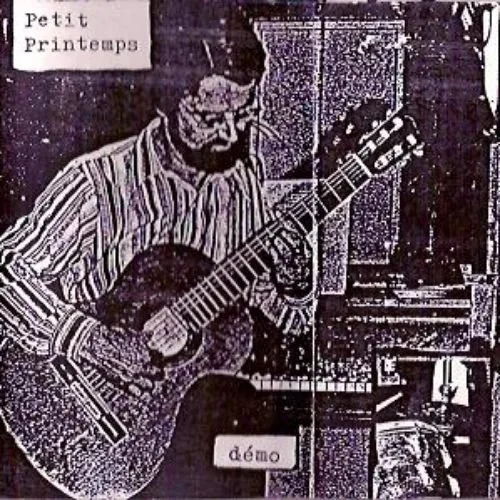
Release Information:
1997
Moe’s Records
Poitiers, Nouvelle-Aquitaine, France
Runtime: 20:21
Tracks: 7
Band Members:
Vincent Coste (Vocals)
Mikaël Thévenot (Guitar)
Greg Pyvka (Bass)
Baptiste Brousseau (Drums)
Genres, Influences and Characteristics:
Screamo, Lofi, Raw, Melodic, Dark, Cold
Musical Analysis:
Ordinarily, when I describe early Screamo as Lofi, I mean Screamo recorded and produced at basement or completely DIY level, but otherwise sounds like your typical Screamo fare. This is usually out of necessity to reduce costs, and it might be in this case as well, but bands didn't actually utilize these limitations as conscious songwriting tools until Petit Printemps. The band uses lots of twinkles, subdued drumming and spoken word to establish a soft baseline from which to dial up the intensity. Because of this, these dynamics are highlighted by the hazy production rather than snuffed out.
Historical Analysis:
Although this record wouldn't go on to define Lofi Screamo or directly influence that scene, but it is very impressive to have executed the idea more than two decades before it would become a common practice. Breaking this demo down reveals how connected they were to the French Screamo sound of this time - raw, melodic and dynamic. However, in the tapestry of Screamo Canon, this is more of a rarity than a true legend.
Lyrical Analysis:
*Note that because this is an old, DIY and relatively minor release in the grand scheme of Emo and Screamo history, I cannot locate lyrics for any of these songs. If more lyrics can be dug out, I will reevaluate the lyrical analysis. Please note any lyrical analysis on my end will lack cultural nuance and accuracy in the translation.*
In/Humanity - The History Behind the Mystory: Music to Kill Yourself By | SCreamo Hall of Fame Class of 1997 Nominee
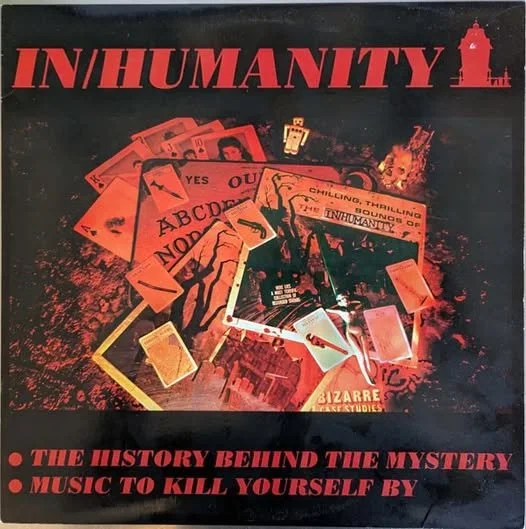
Release Information:
1997
Mountain Records
Columbia, SC (Southeast)
Runtime: 38:45
Tracks: 13
Band Members:
Chris Bickel (Vocals)
Paul Swanson (Guitar)
Will Zaledeski (Bass)
Ben Roth (Drums)
Genres, Influences and Characteristics:
Emoviolence, Chaotic, Atmospheric, Frantic, Abstract, Dissonant
Musical Analysis:
In/Humanity once again innovatively iterate on the Emoviolence formula, doubling down on the musical chaos, freneticism and experimentation. The album begins with longer-than-average songs for this band, some of which are over three minutes in length. They showcase the dichotomous quiet-loud dynamics In/Humanity helped establish in years prior but with a certain atmosphere and formlessness not found anywhere else in their discography. Almost half of the album is part of a 15-minute song slapped right in the middle, muddying the shapeliness of this album with the band more-or-less fooling around.
Historical Analysis
With their second and final LP, In/Humanity firmly establishes themselves as one of the most prolific early Emoviolence outfits out there. Each LP and EP shapes the blooming genre in its own way. The History Behind the Mystery approaches the genre with an experimental eye, using abstract song structures, atmosphere and even more carelessness than ever before. Although this was an important album in the formation of Emoviolence, the statement made is more relevant to In/Humanity as a band than to the genre as a whole, hence its nominee status.
Lyrical Analysis:
*Please note that due to the obscurity of some of these tracks, I wasn’t able to find lyrics for 3-4 songs. Regardless, because there’s so much other lyrical material to analyze, I’ll be focusing on those. If I can dig up more lyrics, I’ll consider giving this a quick redo.*
Reaching absurd levels of satire, crudeness and general carelessness, In/Humanity’s lyrics are nonetheless biting and aimed at society’s many, MANY problems. From questioning the glorification of authority, the blindness of justice and the performative rebellion of Punk culture to hurting the ones you love, dehumanization and the futility of artistic expression. In true late 90s Screamo fashion, In/Humanity’s lyrics express both personal anguish and dissatisfaction with the world around them.
Closure - Closure | Screamo Hall of Fame Class of 1997 Nominee
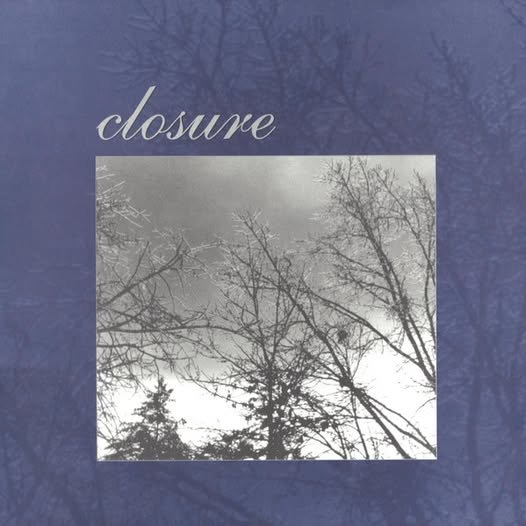
Release Information:
1997
Mountain Records
New York
Runtime: 31:31
Tracks: 6
Band Members:
Trevor Perry (Vocals)
Adam Gutwein (Guitar)
Mike Treff (Guitar)
Mark Spelbur (Bass)
Dave Spelbur (Drums)
Genres, Influences and Characteristics:
Screamo, Post-Rock, Cold, Melodic, Dynamic
Musical Analysis:
Closure's self-titled album represents the best tropes of late 90s Screamo, showcasing a dynamic mix of chilling, atmospheric instrumental sections of quiet melody, masterfully-crafted tense buildups and powerful, cathartic crescendos. Trevor’s gnarly screams add emotional depth to the songs, imparting unto the listener every ounce of pain that he’s internalized.
Historical Analysis:
Although quite obscure in the grand scheme of Screamo Canon, Closure’s one and only LP stands the test of time as an early example of Post-Rock creeping its way into Screamo music, in a similar vein to Portraits of Past and Breakwater (with whom they performed on a split with). Though this album predates some of the later classics with Post-Rock leanings, its niche popularity means not enough people were influenced by this incredible album to earn its place in the Hall.
Lyrical Analysis:
Closure keeps the lyrics simple to ensure the potent messages are digestible by all, despite the incomprehensibility of the vocalist at times. Utilizing short bits of prose and simply-structured poetic lyrics, themes of religious hypocrisy, abuse of power and the dehumanizing nature of work are solemnly explored. The doom and gloom lead to catharsis, though, with a rallying cries against willful ignorance, in favor of feeling genuine human emotion and pain, and to seek your own meaning in life.
Anomie - Anomie | Screamo HAll of FAme Class of 1997 Nominee
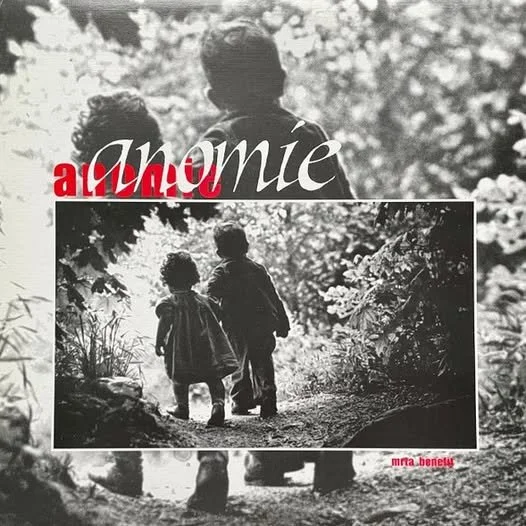
Release Information:
1997
Anima Records
Orléans, Centre-Val de Loire, France
Runtime: 25:46
Tracks: 8
Band Members:
Kathleen Simonneau (Vocals)
Johnny Vellaine (Guitar)
Gilles Auvinet (Bass, Vocals)
Rémi Chaumet (Drums)
Genres, Influences and Characteristics:
Screamo, Post-Hardcore, Metalcore, Melodic, Energetic, Raw
Musical Analysis:
Anomie’s sole LP features driving Screamo music, tons of melodic interplay, chugging riffs and an emotional blend of yelling and screaming from the masculine / feminine dual vocals. Seriously, the energy never seems to die down on this one; even when they lower the intensity, the songs tend to keep a brisk and spirited pace. The vocals of Kathleen are particularly harrowing and emotionally resonant and represent an early example of women tearing it up in Hardcore and Screamo. The band experimented by adding elements of Metalcore, acoustic guitars and even whipping up a weird but surprisingly well-fitting electronic interlude.
Historical Analysis:
Simply put, this album is premier 90s French Screamo. To this point, France was a stronghold for the burgeoning genre, and, although this region's peak was still many years away, there was a prolific output from a variety of bands. Among those releases is Anomie's s/t album, which married energetic Hardcore with gorgeous melody in a way no one in Europe had quite done. Despite this, this release just misses HoF contention due to the band’s relative obscurity in the face of a scene poised to blow up without them.
Lyrical Analysis:
*Please note any lyrical analysis on my end may lack cultural nuance and accuracy in the translation.*
In true French fashion, Anomie’s lyrics lean heavily into Leftist ethos; topics for these lyrics include abortion rights and body shaming, though the political discourse is spruced up by social commentary. The cost of detached modern relationships, the perils of conformity and rising above indifference. Utilizing both prose and poetry in their lyrics, Anomie posits that resistance, reclaiming your existence and fighting back against our oppressors might be our only solutions.
Saetia - Saetia | Screamo Hall of Fame Class of 1997 Inductee
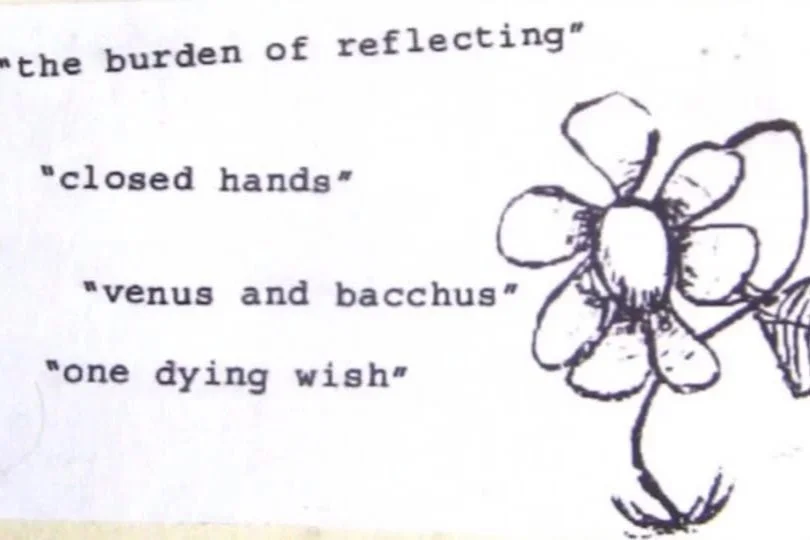
Release Information:
1997
Independent Release
New York City, NY (Tri-State)
Runtime: 14:42
Tracks: 4
Band Members:
Billy Werner (Vocals)
Adam Marino (Guitar)
Jaime Behar (Guitar)
Alex Madera (Bass)
Greg Drudy (Drums)
Genres, Influences and Characteristics:
Screamo, Midwest Emo, Post-Rock, Dynamic, Raw, Mysterious, Complex
Musical Analysis:
You come to understand the power of Saetia’s music within seconds of the intro track’s simple but harrowing intro, oscillating between complete silence and brash, distorted guitar. Entering next is Billy Werner’s iconic high-pitched screeches juxtaposed with frustrated, rapid-fire spoken word verses. As the songs progress, a profound sense of dynamic songwriting can be heard through the serene quiets and the frantic louds on this record. Saetia was definitely inspired by the style of Midwest Emo with intensity changes and twinkly guitar parts, more than the form.
This record isn’t just an establishment of Screamo tropes, though. It is a vibrant, seemingly-alive work of art that reflects the anguish of the band members. Despite each track going through its own arc, the entire EP seemingly builds up to an explosive crescendo in their final track. This is aided by the subtle Post-Rock influence that, while not as pronounced as in bands like Portraits of Past, gives this band the freedom to air out their emotions through extended instrumental passages.
Historical Analysis:
Whenever analyzing the discography of a Screamo band, never, and I mean NEVER, underestimate the power of a demo tape. Although this band would go on to have a legendary (if not short) career, this demo started it all. Featuring the two tracks from a single that would release that same year, this s/t Demo features some of the most beloved songs in the entire catalogue of the band. Countless artists would be inspired by these tracks alone, though Saetia would have quite the prolific career from here despite their brief run.
Lyrical Analysis:
Saetia’s prose-like approach to lyricism allows the band to tell extremely personal emotional tales through stream-of-consciousness verses, powerful repeated phrases and grandiose metaphors about regret and heartbreak. The band isn’t thematically novel, exploring the ideas of unrequited love, grief and nostalgia. Billy’s frenzied vocal delivery imparts desperation and immediacy upon the listener, only to slow things down with clean spoken words that are clearly and painfully understood. Many Screamo bands would blend in political and social ills with personal misery, but Saetia looked entirely inward for motivational torment for these lyrics.