

Hello, everyone! Welcome to the hub for my Deep Dive project Establishing Screamo Canon: From Chaos to Catharsis! 2025 was the Year of Screamo and, while I didn’t quite get to my goal of covering Screamo from the 90s through 2015, getting through the 90s wound up being a Herculean feat in and of itself. I’m quite proud of this accomplishment! The series will continue indefinitely as I have time for it, but getting it up onto the website was very important. Please refer to the Overview post for more information about the series and the various sub-series within.
Below you can sort by subseries or via a tag cloud, weighing the most commonly-used tags such as artists, release years, record labels, locations, genres and even descriptors! Please keep an eye on this as the series continues! Alternatively, you may use the below search function to find anything you might be interested in reading about within the series. Please note that when you click one of the following links, you will have to scroll past the welcome and navigation sections to access the content.

- Emoviolence
- Dynamic
- Dissonant
- Chaotic
- Frantic
- Melodic
- 1999
- Post-Hardcore
- Raw
- 1997
- Hardcore Punk
- 1998
- Noisy
- 1996
- Emocore
- Florida
- SoCal
- Lofi
- Noise Rock
- Atmospheric
- Metalcore
- Post-Rock
- Midwest Emo
- Energetic
- Grindcore
- Canada
- Complex
- Massachusetts
- Reversal of Man
- Independent
- NorCal
- 1994
- Ebullition Records
- Orchid
- Manic
- France
- New York
- New Jersey
- Aggressive
- Gravity Records
- Sass
- Mountain Records
- Pennsylvania
- Dark
- Combatwoundedveteran
- Intense
- Witching Hour Records
- The Great American Steak Religion
- Dense
- Cold
- Metallic
- Technical
- Virginia
- Eclectic
- South Carolina
- 1993
- 1992
- Saetia
- Playful
- Three One G Records
- Frenetic
- Math Rock
- Powerviolence
- Indiana
- Driving
- You and I
- Puritan
Peu être / Carther Matha / Rachel | Connective Tissue 1997
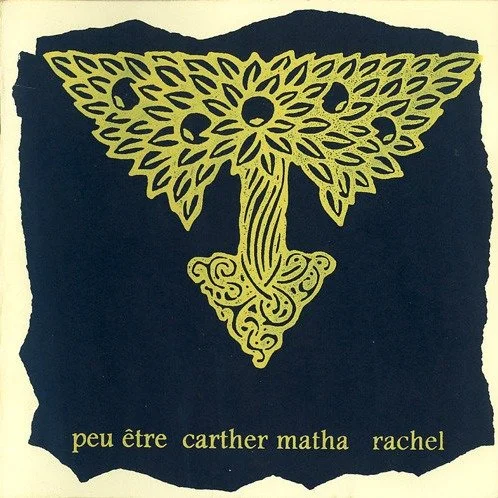
Peu être
(Niort, Nouvelle-Aquitaine, France)
Gérome Desmaison
Laurent Daudin
Mike Ramounet
Carter Martha
(France)
Antoine De Lassée
Eric Surmont
Gérome Desmaison
Sébastien Janouin
Rachel
(France)
Nicolas Marilleau (Vocals)
Antoine De Lassée (Guitar, Vocals)
Laurent Daudin (Guitar)
Eric Surmont (Bass)
Sébastien Fouet (Drums)
Basic Info:
Release Date: 1997
Label: Le brun le roux corporation
Runtime: 1:11:18
-Peu être: 22:16
-Carther Matha: 26:46
-Rachel: 22:16
Tracks: 26
-Peu être: 8
-Carther Matha: 11
-Rachel: 7
Genres, Influences and Characteristics:
Screamo, Melodic, Dynamic
Points on a Timeline:
With eight members between the three bands and more than their share of cross-pollination, these staples of the 90s French Screamo scene came together at very similar points in their lifespans. All three bands started off in the mid-90s with demos, with perhaps Peu être forming and releasing their material first in ‘94. This split would be the last major work from any of these bands, however; Peu être didn’t release any material after this until their brief reformation in 2011. For Carther Matha, this would be the last the world would hear from them. Rachel would continue as a band the longest, releasing their final EP in 2001.
Shapes in the Sound:
Right off the bat, I need to address this: yes, these bands do sound fairly similar, but as I’ve previously mentioned, there are only eight interconnected members among these bands, all likely from the same region of Western France, so this tracks. As far as similarities go, they all have the “French Screamo” sound. What is that? It’s the marriage of emotional intensity, dynamic aggression and gorgeous melodies, melding them together in a winning formula that would be iterated upon for years to come.
Peu être utilizes dense guitar textures to craft atmosphere, Carther Matha have very-defined clean sections and have the closest ties to Hardcore, and Rachel, with perhaps the gnarliest vocalist of the bunch, packs their tracks with more length, bigger builds and emotional gravitas.
Threads in the Tapestry:
Simply put, this is a statement release for French Screamo and Western France. Several prominent musicians collaborated on this ambitious release, with each band contributing an LP's worth of music to the cause. This release would fade into obscurity as the genre grew in prominence, particularly in France, but the 1+ hours of pure 90s French Screamo preserves in amber an active and important scene in the development of this intense genre.
Petit Printemps - Démo | Screamo Hall of Fame Class of 1997 Nominee
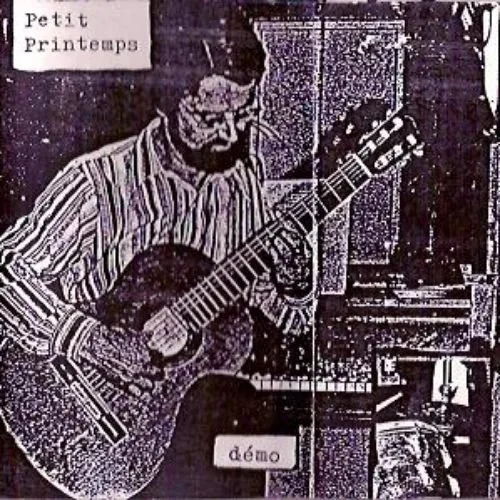
Release Information:
1997
Moe’s Records
Poitiers, Nouvelle-Aquitaine, France
Runtime: 20:21
Tracks: 7
Band Members:
Vincent Coste (Vocals)
Mikaël Thévenot (Guitar)
Greg Pyvka (Bass)
Baptiste Brousseau (Drums)
Genres, Influences and Characteristics:
Screamo, Lofi, Raw, Melodic, Dark, Cold
Musical Analysis:
Ordinarily, when I describe early Screamo as Lofi, I mean Screamo recorded and produced at basement or completely DIY level, but otherwise sounds like your typical Screamo fare. This is usually out of necessity to reduce costs, and it might be in this case as well, but bands didn't actually utilize these limitations as conscious songwriting tools until Petit Printemps. The band uses lots of twinkles, subdued drumming and spoken word to establish a soft baseline from which to dial up the intensity. Because of this, these dynamics are highlighted by the hazy production rather than snuffed out.
Historical Analysis:
Although this record wouldn't go on to define Lofi Screamo or directly influence that scene, but it is very impressive to have executed the idea more than two decades before it would become a common practice. Breaking this demo down reveals how connected they were to the French Screamo sound of this time - raw, melodic and dynamic. However, in the tapestry of Screamo Canon, this is more of a rarity than a true legend.
Lyrical Analysis:
*Note that because this is an old, DIY and relatively minor release in the grand scheme of Emo and Screamo history, I cannot locate lyrics for any of these songs. If more lyrics can be dug out, I will reevaluate the lyrical analysis. Please note any lyrical analysis on my end will lack cultural nuance and accuracy in the translation.*
Anomie - Anomie | Screamo HAll of FAme Class of 1997 Nominee
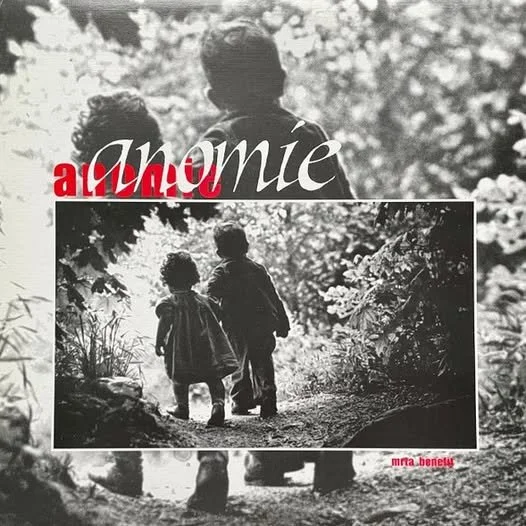
Release Information:
1997
Anima Records
Orléans, Centre-Val de Loire, France
Runtime: 25:46
Tracks: 8
Band Members:
Kathleen Simonneau (Vocals)
Johnny Vellaine (Guitar)
Gilles Auvinet (Bass, Vocals)
Rémi Chaumet (Drums)
Genres, Influences and Characteristics:
Screamo, Post-Hardcore, Metalcore, Melodic, Energetic, Raw
Musical Analysis:
Anomie’s sole LP features driving Screamo music, tons of melodic interplay, chugging riffs and an emotional blend of yelling and screaming from the masculine / feminine dual vocals. Seriously, the energy never seems to die down on this one; even when they lower the intensity, the songs tend to keep a brisk and spirited pace. The vocals of Kathleen are particularly harrowing and emotionally resonant and represent an early example of women tearing it up in Hardcore and Screamo. The band experimented by adding elements of Metalcore, acoustic guitars and even whipping up a weird but surprisingly well-fitting electronic interlude.
Historical Analysis:
Simply put, this album is premier 90s French Screamo. To this point, France was a stronghold for the burgeoning genre, and, although this region's peak was still many years away, there was a prolific output from a variety of bands. Among those releases is Anomie's s/t album, which married energetic Hardcore with gorgeous melody in a way no one in Europe had quite done. Despite this, this release just misses HoF contention due to the band’s relative obscurity in the face of a scene poised to blow up without them.
Lyrical Analysis:
*Please note any lyrical analysis on my end may lack cultural nuance and accuracy in the translation.*
In true French fashion, Anomie’s lyrics lean heavily into Leftist ethos; topics for these lyrics include abortion rights and body shaming, though the political discourse is spruced up by social commentary. The cost of detached modern relationships, the perils of conformity and rising above indifference. Utilizing both prose and poetry in their lyrics, Anomie posits that resistance, reclaiming your existence and fighting back against our oppressors might be our only solutions.
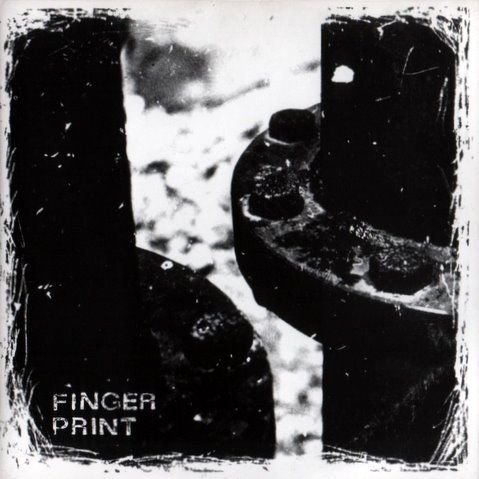
Finger Print - Discography | Holy Grails 1996
The Artifact:
1996
Stonehenge Records
Runtime: 1:03:32
Tracks: 19
Artifact Characteristics:
Screamo, Hardcore Punk, Metalcore, Driving, Raw, Dynamic
Artifact Archeologists:
Nicolas Fisseau (Vocals)
Christophe Mora (Guitar, Vocals)
Thomas Guillanton (Bass)
Jérôme Bessout (Drums)
Artifact Contents:
Every track from their 1993 S/T
Every track from their 1994 S/T
Three original tracks
Four tracks from various comps
Two live recordings
Artifact Echoes:
Despite only being active for two years, Finger Print was a surprisingly prolific band. Though very influenced by the straightforward nature of early 90s Hardcore, Finger Print was one of the first artists in Europe to add such a level of dynamism and melody to their songs, incorporating acoustic guitars and intensity switches. Following closely behind the gnarly emotive screeches from the vocalist is a chugging guitar that breaks things up with some early Metalcore riffage. The further into this comp you get, the stronger the presence of melody is, marrying it with the aggression you’d expect to find in Hardcore. Refreshingly, the bassist is quite prominent in the mix, giving the songs a sense of immediacy and danger. The two EPs are both great, showcasing the band’s evolution as they helped shape Screamo history, though the comp tracks, original tracks and even the live versions (although quite roughly recorded) are all recommended.
Artifact Legacy:
While obscure, Finger Print was one of the originators of Screamo, not just in Europe but globally. Their brand of melody-and-riff-infused Hardcore would give credence to the upcoming sound of Screamo. Emotional intensity, quiet-loud dynamics and surprisingly-crisp production make this primitive Screamo record endlessly replayable, even in the modern day. Their influence can be heard in genre contemporaries like Anomie, Carol, Ivich and beyond. Once they disbanded, Christophe Mora would form obscure-but-influential Screamo band Jasemine.
Artifact Value:
This was originally released on CD in France and, despite its obscurity, is relatively cheap to import. Interestingly, this also came out as a cassette in Southwest Asia, with that version also being affordable but even harder to come by.
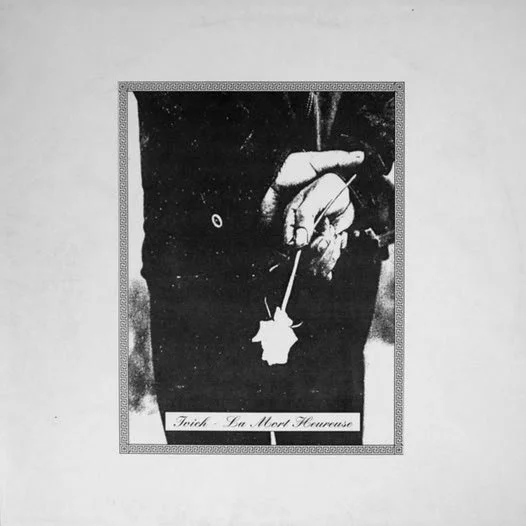
Ivich - La mort heureuse | The Shape of Screamo to Come
Release Information:
1994
Pikaϊa Records
Saint Maurice, Île-de-France, France
Runtime: 28:00
Tracks: 9
Band Members:
Eric (Vocals)
Yann Maisonneuve (Guitar)
Cedric (Bass)
Yves Maisonneuve (Drums)
Thierry (Trumpet)
Genres, Influences and Characteristics:
Screamo, Hardcore Punk, Lofi, Chaotic, Melodic, Offbeat
Musical Analysis:
As evidenced by the truly ludicrous drumming, Hardcore is the guide with which Ivich brought forth Screamo; blistering beats and thunderous fills characterize the vast majority of the drumming on here, though the guitars often drop the typical Punkish chord progressions in favor of more melody, dissonance and/or ambiance. The discord manifested by these insane elements is further intensified with offbeat trumpeting and rapid-fire vocal delivery, dropping the listener into a warzone of racket.
Historical Analysis:
Ivich debuted in 1992 with Sculpteur de cris, a weird and expressive Hardcore album with primitive Screamo inklings all masked by truly horrid production. Their 1993 EP featured the French Screamo pioneers pushing European Hardcore to its brink. Their sophomore full-length goes further as a hidden gem spearheading France's burgeoning Screamo scene. Pretty much every French Screamo band ever owes Ivich a huge debt of gratitude for basically inventing the genre out in Europe.
Lyrical Analysis:
*Note that because this is an old, DIY and relatively minor release in the grand scheme of Emo and Punk history, I cannot locate lyrics for any of these songs. If more lyrics can be dug out, I will reevaluate the lyrical analysis. Please note any lyrical analysis on my end will lack cultural nuance and accuracy in the translation.*