
One Eyed God Prophecy - One Eyed God Prophecy | The Shape of Screamo to Come
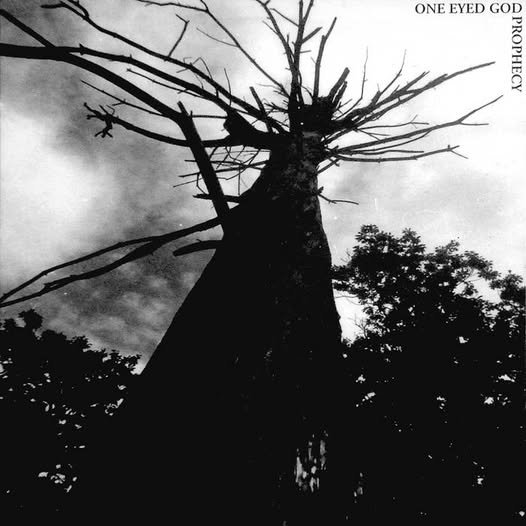
Release Information:
1995
The Great American Steak Religion Records
Sherbrooke, QC, Canada
Runtime: 33:00
Tracks: 7
Band Members:
Dom Poulin (Vocals)
Seb Philbert (Guitar)
Ugo Desgreniers (Guitar)
Alex Bibeau (Bass)
J-P Dionne (Drums)
Genres, Influences and Characteristics:
Screamo, Sludge Metal, Noise Rock, Dark, Atmospheric, Dense, Crusty
Musical Analysis:
This album sounds EVIL. There’s a sinister air to the songs on this record, exhibited perfectly by the intimidating intro song. However, judging this album based on the heavy, dark first track would belie the dynamism and atmosphere that the album takes time to establish. The fuzzy guitar tones make them sound insurmountable during moments of musical mayhem, though the clean twinkly sections that plague this release are as serene as they come. The drums are consistent and are played exactly as they’re needed in the moment, whether that’s burning the house down with Emoviolence-esque chaos or building atmosphere with spaced-out cymbals. The harrowing vocal performance is definitely high-register, though it is fairly low in the mix.
Historical Analysis:
Despite only being a cult favorite in Screamo, the influence this release has had cannot be understated. Few Screamo albums before this emphasized cultivating an atmospheric sound rather than aiming strictly for brutality and heaviness. Additionally, OEGP sneaked high-class musicianship into the equation, adding to the chaos and technicality that would soon become commonplace. Although Sludge and Crust influences in Screamo were never omnipotent, enough artists from the 90s til now owe their livelihood to what this album accomplished.
Lyrical Analysis:
Despite the obscurity of the screamed lyrics, the emotional veracity and intensity is never lost by the vocal performance or the words themselves. One Eyed God Prophecy blends social critique, existential dread and emotional vulnerability into an explosive cocktail of poetry and prose. The singer desperately searches for authenticity in a world of greed and falsehoods, though he invokes personal responsibility to solve the problem. He criticizes Capitalism for destroying the ecosystem, but also for destroying local communities and alienating us. He even speaks about the desperate dance of hope and despair, romantic longing and generational tension, just to name a few of the many thematic subjects brought forth. This varied commentary on the human condition and the sociopolitical climate behind it would become a staple of Screamo in the 90s into the early 00s.
