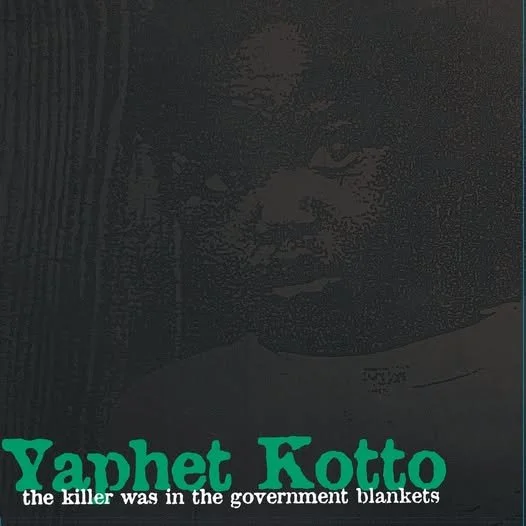
Yaphet Kotto - The Killer Was in the Government Blankets | Screamo Hall of Fame Class of 1999 Nominee
Release Information:
1999
Ebullition Records
Santa Cruz, CA (NorCal)
Runtime: 33:01
Tracks: 9
Band Members:
Casey Watson (Guitar, Vocals)
Mag Delana (Guitar, Vocals)
Pat Crowley (Bass)
Scott Batiste (Drums)
At a Glance:
Screamo, Post-Hardcore, Emocore, Melodic, Energetic, Technical
Musical Analysis:
This record definitely gives off “Bay Area Screamo” vibes, though perhaps a hair older than some of the other NorCal classics. It takes the dynamic and emotional nature of Screamo, combines it with the melody, clean vocals, and riffs of late 90s Post-Hardcore, brings in a few elements of Emocore, and unveiled it to the world with this, their debut LP. There are tons of memorable riffs and strong melodies from the guitarists, seemingly the primary focus of this project, and the screamed / clean vocal combination amps the emotionality up severalfold. Some more traditional “Punky” moments come in where you can hear the blatant Emocore influence, contrasting the otherwise quite technical performance in most tracks.
Historical Analysis:
Although not the first album (or band) you’d consider when discussing the legacy of Bay Area Screamo, this seedling of a concept would continue to get fleshed out by legends like Funeral Diner and City of Caterpillar. This enigmatic Hardcore cocktail would serve as the basis for a melodic and experimental approach to the genre that this region would eventually be known for. Despite this quality and its forward-thinkingness, this record comes just shy of a proper HoF induction.
Lyrical Analysis:
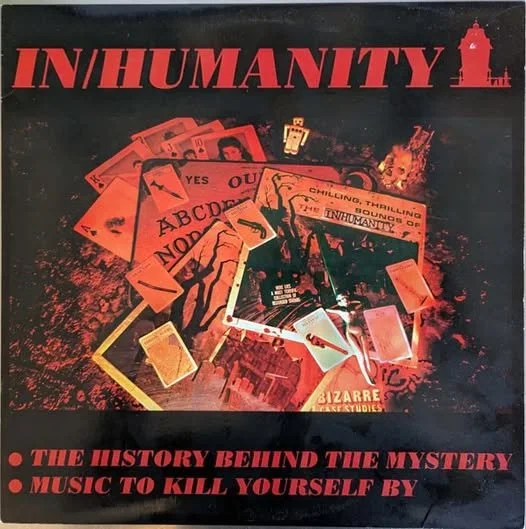
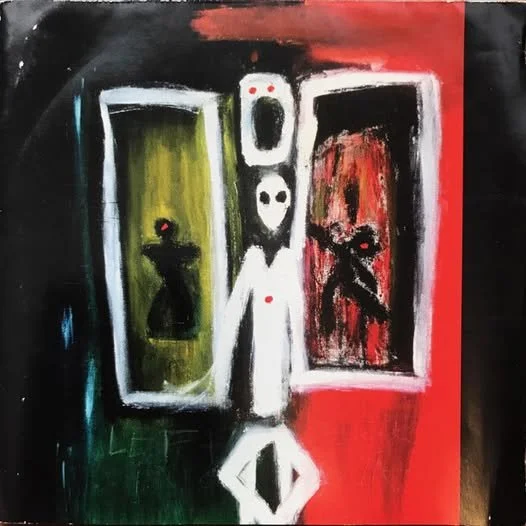
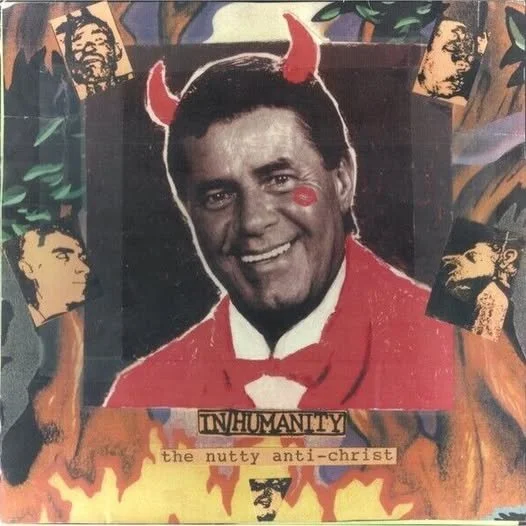
Just by giving the cover of this record a brief glance, you can tell this is inherently political. These harrowing lyrics explore the relations between imperialism and religion, noting the historial revisionism that enables it, paradoxically working within a system that grinds you down and the myth of meritocracy. With violence so woven into the fabric of American life, we are all complicit in the sins of our history. Even when discussing interpersonal relationships, Yaphet Kotto can’t help but compare this to a war with no winners, each side assuring mutual destruction.