
Interview with John Galm (Snowing, Street Smart Cyclist)
Hey everyone! Earlier this year, I had the tremendous honor of interviewing John Galm! We talked about his solo career, his newest album, his time in Snowing and even a peek into Street Smart Cyclist!
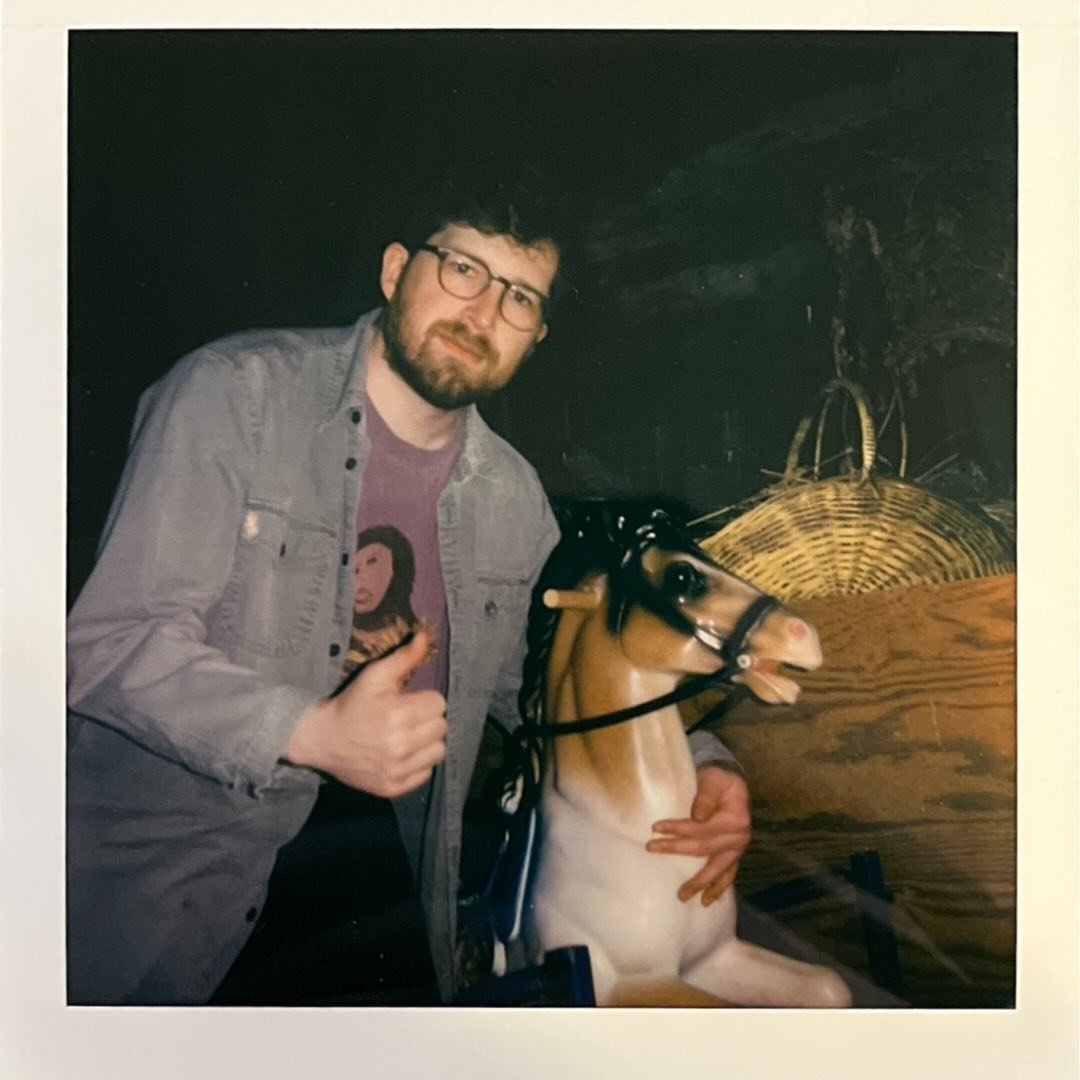
“I had a sort of Zen outlook where I'd think, ‘Well, I don't have it today, but maybe I'll have it tomorrow.’"
Emo Emporium:
How did this new album come together? What led to it being written?
John Galm:
I think the main thing that started this whole process was that I found myself without a band. I'd been playing in a band called Mt. Worry for about a year, and two of the members decided to leave Philadelphia and move back to Chicago. Because of that, I was just, I didn't know what to do. Before they left, they did a send-off gig and they asked if I'd play solo. At the time, in 2023, I hadn't played solo since before COVID. Even when I did, the previous couple of years of trying to do solo stuff was always met with a lot of anxiety and bad times. I wanted it to go one way, and it would always kind of go south on me.
So it wasn't something I was looking forward to doing, even when they asked me to please play the show solo. I told them I'd do it as a favor to friends, but that I’m not going to enjoy it. And then it turns out that it actually went really well! I had a very brief solo run back in 2015-ish where I really enjoyed doing it and felt comfortable, but that was long gone. The fact that I sort of figured it out again... I thought, well, if I don't have a band, I might as well write some new solo songs.
To be honest, it's almost like this thing I've been stepping around for a really long time. I've always wanted to be in charge of my own destiny musically, and the main way to do that is to be a solo guy, then you're your own boss and you can make the decisions you want to make. It's great being in a band and having that collaborative spirit, but I have a lot of goals that I can't expect to put on other people. I can't be like, "What do you mean you don't want to spend every weekend doing this? What do you mean you have children?"
So my main goal was just to write eight songs and start playing some more shows. That was it. The show was in July of 2023, and from that point on, I was just steadfast in my goal. I picked eight songs for no real reason; it just seemed less daunting than ten. The only other goal was that I wanted to be able to play these songs just sitting down, since these other songs I’d write would require a band. I wanted them to be able to be played wherever, whenever, just by myself, knowing that I could add other shit to them later. Those were the main parameters.
EE:
Going along with that writing process, did you find anything particularly challenging since it's been such a long time since you'd done your own solo thing?
JG:
Honestly, it wasn't so challenging since I just had no expectations for it. The writing process itself was pretty... I don’t want to say “seamless,” it definitely took a long time, but I had no obligations and I didn't know what a solo song from me in 2023 would even sound like. So it was just sort of, "Alright, let's see what happens." It was kind of nice in that way.
I sort of took a new approach to it, where I tried my best to just be okay with the process. In times past, and honestly times present, when I'm trying to write something and it's not working, I freak out. I think, "I'm never going to be able to write again, I'm never gonna finish this, I suck, I've actually never written a song before and I don’t know how I fooled everyone, and actually I’m going to jail.” I just get way in my own head.
I saw a quick clip of Jason Alexander, the guy who played George Costanza, talking about the creative process. He said you might not have it today, but that's okay, you might have it tomorrow. It just sort of stuck with me. I had a sort of Zen outlook where I'd think, "Well, I don't have it today, but maybe I'll have it tomorrow." If I was stuck on a lyric, I'd tell myself it's really not coming right now, but that doesn't mean it's not going to. It just means it's not here right now.
It's much easier said than done. It's a lot easier to let the anxiety completely fester and rip apart your brain. But that was a new way of approaching it, and again, since I had so little expectations, I’d come up with something and I'd just be surprised. I think the main goal, besides the two I mentioned, was just to write some things that I like, that I would want to listen to and reflect on.
I don’t ever set out lyrically to write on a specific theme. Those things just sort of come naturally. For pretty much my entire music writing life, I just hum some words, find some melodies and then I sort of walk around with it and sing along to it. Suddenly, a line works and it's good, and then I think, "What does that mean?" Sometimes I don't know, and that's okay. You just keep doing that exact thing.
Some really neat stuff came out of it, where I was like, “Holy shit!” I’m suddenly revealing things to myself that I wouldn't have otherwise. Writing songs is a very subconscious thing for me. Sometimes I'll be done with a full song and look back at it as a whole and think, "Oh, now I can see the picture." But up until that moment, I didn't even know it was a cognizant picture; I thought it was just scribbles.
EE:
Yeah, it sort of comes together as you write it, and when you look back, you can see what your brain was trying to tell you.
JG:
Yes, precisely.
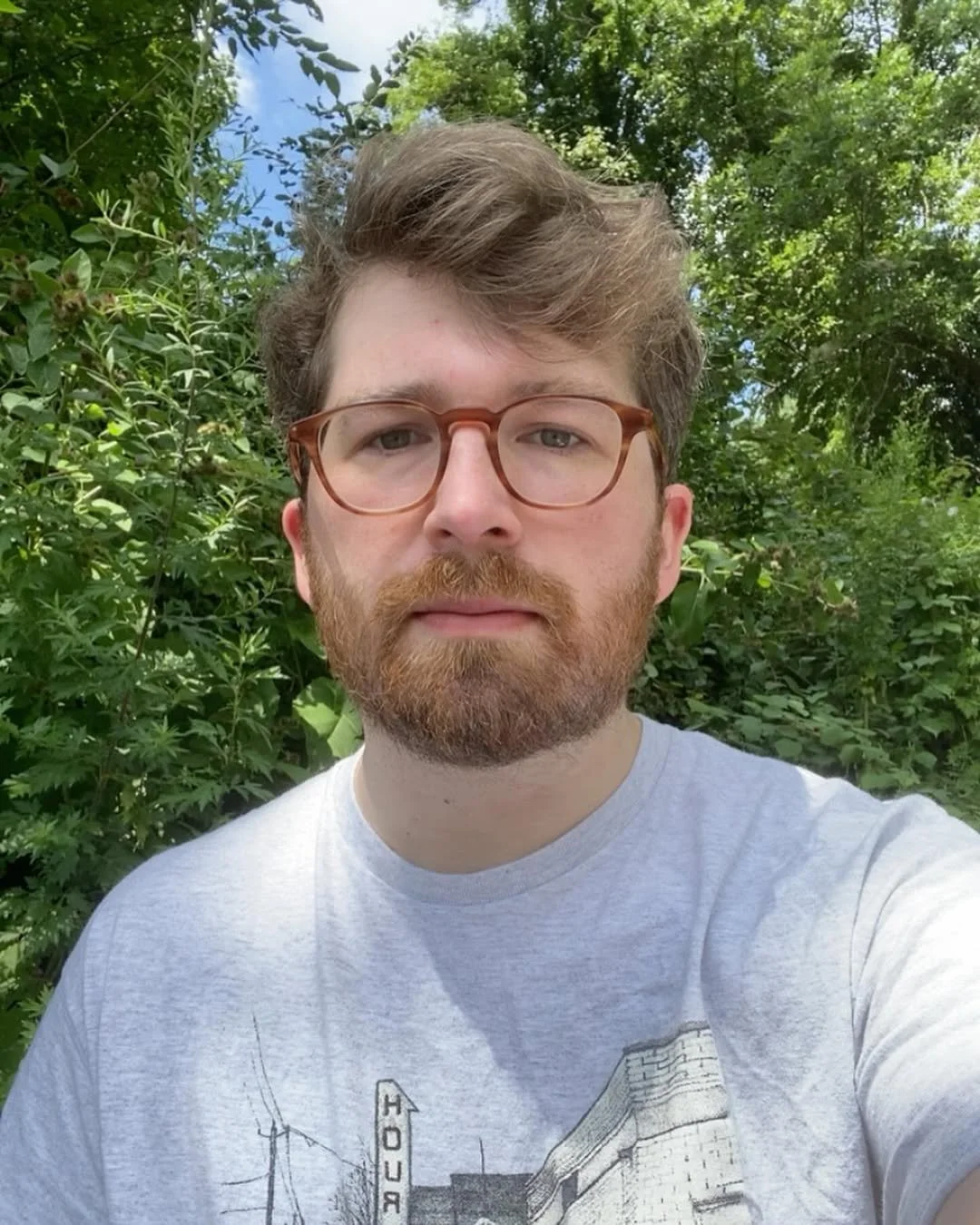
“Ultimately, what you want at the end is the best song that it could be. At least that's my goal, I always want the song to be the best it can be.”
EE:
What's your personal favorite song off your new album and why?
JG:
That's hard to say. I actually told someone just the other day that if they were going to listen to one, they should listen to "Darktown," but I don't necessarily know if that's my favorite. There are things I like about all of them, and it really changes with my mood.
I'm going to say "Let Me Love You" is probably my favorite at the moment. I like playing it a lot. It's in an open tuning, and it's fun to do the fingerpicking. I just feel like it's an easy one to perform, where I can think, "Hey, look at this! Watch me sing and play guitar, and you might like it.” It's also one of the few outright bummers on the new one. So sometimes, the way I've been doing the sets lately, it can be a bunch of hard songs in a row, emotionally. It's kind of nice to have that one in my pocket where I think, "Well, this one isn't that bad."
EE:
Am I correct in saying that Mt. Worry was the first band you'd joined in quite some time?
JG:
Yeah. Before that, I was doing a solo band basically called Bad Heaven Ltd. for a couple of years. But again, that was the sort of thing where I was in charge of everything; I wrote all the songs. Mt. Worry was the first collaborative band I'd been in since, I think, 2014. So it was nice to do that again. I hadn't gone into practice with just a riff and then worked with a group to “find the song” in years.
It was definitely nice, though I'd kind of forgotten how to do it. I think everyone in the band had some light growing pains around that idea, where you learn that not everyone's idea is going to get used. It's something I think everyone should do at some point. When you collaborate with other people, you have to learn that “my idea might not be the right idea every time.” You have to be okay with the idea that "this is what I think it should be," and it might not be the answer everyone agrees on.
I would often come in with four or five riffs and say, "Okay, here's what I got," and they'd say, "Oh, I don't like that one," and I'd say, "That's fine, here's another one." It makes everything a little less precious. Ultimately, what you want at the end is the best song that it could be. At least that's my goal, I always want the song to be the best it can be. No one's goal in a band should be anything but that. No one's goal should be "I want my riffs to shine." If that's the case, you're in the wrong business. Go start a YouTube where you just play riffs. But it was good. It was nice to sort of get back into that realm.
EE:
Did joining Mt. Worry, and then its dissolution, have any influence on your new album? Musically, stylistically, or even just some small part of the process?
JG:
I will say that when they were ready to move on, I was okay with it because I was pretty tired of playing just loud guitar music. I don't listen to a ton of loud guitar music - not anymore, at least. I mean, there are things I absolutely love that are big and loud and stupid, but my interests definitely vary. I know it sounds crazy because of all the things people know me for, but I genuinely enjoy quiet, relaxing music. There was definitely a lot in Mt. Worry that I loved, but it was time. I thought, "Alright, let me do something that is just for me now," where I make music that I would really love to sit down and listen to in my free time. So that was sort of the thing.
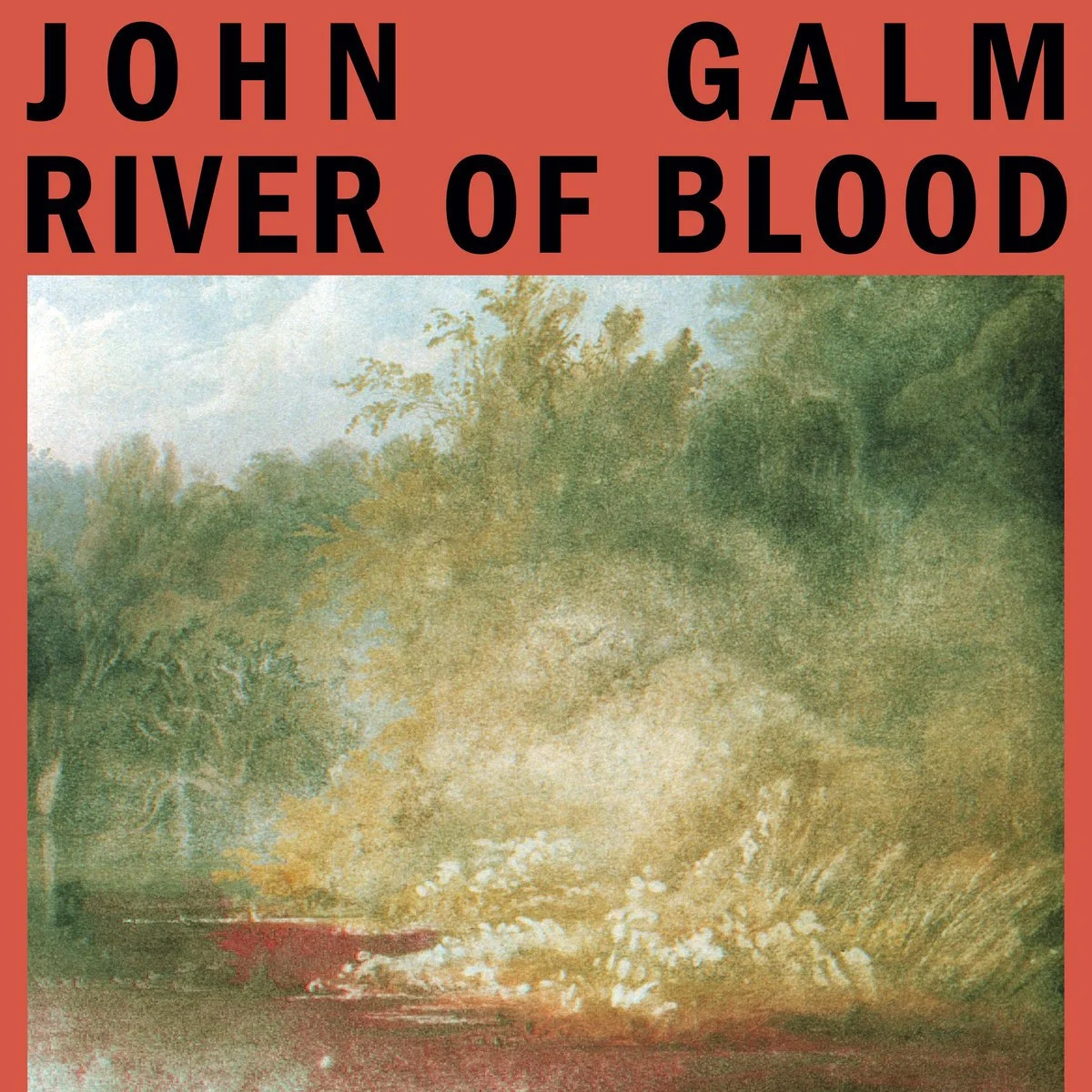
“But with having so much anxiety and struggling with that, it's hard to just be yourself sometimes and be okay with it.”
EE:
So, including your new album, which of your solo works—and that includes the Bad Heaven material—would you consider to be the most cathartic or important to you?
JG:
Oh, it's the new one.110%.
EE:
What makes that one truly the biggest one for you?
JG:
It's just... I think with a lot of the other things I've done, in a post-Snowing landscape, I was really trying to find myself musically. I tried on a lot of hats, and in a lot of cases, they weren't always the right fit.
I like a lot of the music that I made, don't get me wrong. I wouldn't be putting it out if I didn't think there was some merit in it; I'm not some sick freak who thinks you need to listen to him. But I would definitely think, "Well, this sound is pretty poppin’ right now, so let me add a little bit more of this." You know, something like "Slow Warm Death"... I had just gotten done playing in Snowing for so long, and all I wanted to do was the opposite of an emo band. So I was like, let me just do that.
I think this new record is the first time where it's really the most authentically me I've ever put on record. These are the sounds I love, these are ideas that I cherish, and you're getting just the soundtrack of my brain. There's no... I'm not trying to be anything that I'm not on this one. It's very much just me, and that's all you're getting.
I think that's really important for me. It's taken a really long time to just be comfortable with who I am, and I'm not even that weird of a guy; I was just talking to a friend about this, and they were like, "Honestly, John, you're pretty normal." And I was like, "Yeah, okay." But with having so much anxiety and struggling with that, it's hard to just be yourself sometimes and be okay with it. This record is the first time I'm really just... this is just a good reflection of who I am in this moment.
EE:
Let's move on to a different topic. As far as Snowing goes, what led you to give up the ghost on Emo? Did it always have an expiration date, or were you just playing until the wheels fell off?
JG:
We did play until the wheels fell off. However, we were also really tired of Emo. It was a hard scene not to get tired of, at least at the time. At its inception, the revival was very polarized and daunting. Half the internet was so mean, saying your shit sucks, Emo is garbage, why are people doing this? The other half were fervent in only wanting “this,” and any other strain should be illegal and condemned.
We were bored with playing in an Emo band. We all loved all the shit. We loved Cap'n Jazz and all the Kinsella projects,Willow and I liked Braid, but we all had other musical interests. We felt we weren't able to explore them in any way in Snowing without people getting upset that it wasn't exactly what they wanted.
We actually wrote a couple of songs before we broke up that were, well, Shoegaze is really big now, right? We were writing Shoegaze songs in 2011. We didn't get to put any of them out because we broke up after maybe two or three. Snowing was barreling toward a pretty hard reset; we were pretty much just going to become a different band. There were definitely talks of changing the name and really starting over because we thought, "No one that likes us is going to accept that we don't want to play noodly Emo anymore." I don't know if that's true or not, but at the time it seemed very dire. I was 25, so everything seems dire.
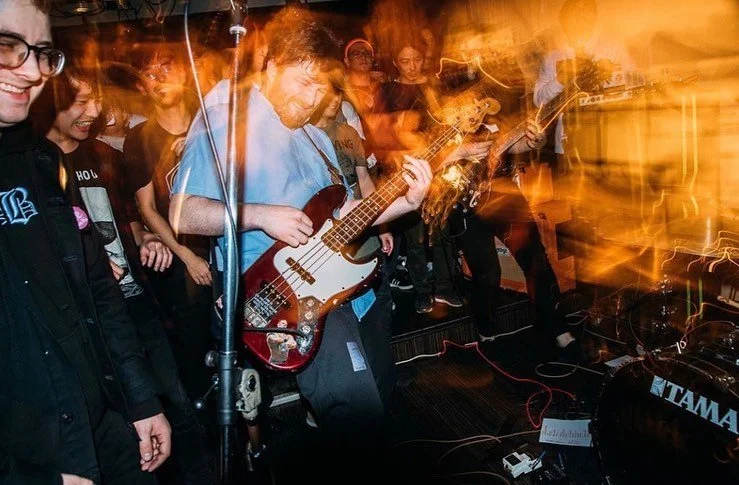
“So I would always pass along any offer. 95% of the time, someone would say no, I don’t want to do it, and that's totally fine. We aren’t a band.”
EE:
When did you realize that Snowing had such a profound impact on people - one way or the other?
JG:
Pretty early. I feel like we built on the success of Street Smart Cyclist. There was always forward momentum with Snowing. I think we played a couple of shows and there were a bunch of people singing along. It was pretty quick that we realized, "Oh, this is working."
I had this five-year plan for Snowing. Even with all the disillusionment, I was barely ready to make it my full-time job. I thought we were almost there, like one or two tours away from being a full-time touring act where we made our living doing that.
I played some shows with Adam from Brave Little Abacus recently. He's an incredible songwriter and a great dude, and he mentioned that Brave Little Abacus never played for more than 25 people, ever. Snowing was a popular band. I knew that. It was always a part of it where some people really hated us, but a lot of people really liked us. We worked so closely with our friend Chris, who put out the records, we were constantly doing new pressings and mail orders. It was very prevalent in my life for those three years we were active.
EE:
Your previous Snowing reunions have been somewhat small in scope and regional. Why another reunion tour this year, and why join the Bear vs. Shark tour?
JG:
Because we got asked. Plus, it’s fuckin’ Bear vs. Shark! They are one of our collective favorite bands. A friend of mine who works as a booking agent asked if we'd be interested, and we were. They're one of the bands that inspired us to do this; there's a part in "Sam Rudich" where I directly rip off the vocal part from "Catamaran." It was always part of the DNA of Snowing. So it was just like, "Alright, I guess we'll do this one."
EE:
Is that a similar reason for joining the New Friends Fest and Best Friends Forever?
JG:
Yeah. The thing about Snowing over the last decade, we’ve gotten asked to do a bunch of stuff, and it always comes through me for some reason; I love everyone in the band! They're some of my very best friends. The idea of doing a show isn't daunting; if you all get to hang out, I'd love to see you!
So I would always pass along any offer. 95% of the time, someone would say no, I don’t want to do it, and that's totally fine. We aren’t a band. This year, the Bear vs. Shark offer came up, and then shortly after, through word of mouth, we got asked to do both the New Friends and Best Friends fests. I just presented the offers, and for the most part, everyone was like, "Yeah, let's do it." It really just came down to everyone is just saying yes. I like seeing my friends!
EE:
Do you all live far from each other now?
JG:
Two of us live in Philly; I live about an hour North of Philly, where we’re all from in Lehigh Valley in PA. JR is now about an hour and a half West of Philly in Lancaster, so we’re all about two hours from each other. For example, JR and I will both drive to Philly for practice, which kinda sucks because Philly is such a tough city to get in and out of! The roads going in and out of Philly are too small and often in disrepair.
EE:
What was the importance of your time in Street Smart Cyclist on Snowing and your musical journey in general?
JG:
I had no expectations for Street Smart Cyclist other than, "Oh, my friends Jon and Dave started this band, and Willow is in it now, I wish I could play with my friends." So when suddenly people on the internet were getting into it, and people from out of state were asking us to play shows in like, Nebraska, it was so weird and unexpected. It just shows that so much of this is unpredictable. It's about being open to taking that ride wherever it goes. I didn't think it would ever be anything except we’d play a couple of shows and be a regional thing, and we ended up playing tons of shows and getting a good life out of it. It was totally unexpected and really cool.
EE:
That band has been described as punks playing freestyle jazz. What were some primary influences?
JG:
A lot of it was that whole Chicago region and Kinsella bands. The guys in the band, Jon and Dave, loved Emo and were Emo obsessives and archivists; they'd find a band within a band within a band and go down twelve rungs. For me, it wasn't nearly that deep.
I remember talking to Jon and him being like, “Oh, you like Cap’n Jazz?” “Oh, I love Cap’n Jazz!” That was the impetus for me playing in the group. And the other part of this is - and I think this part gets unwritten in the current scope of the Emo Revival - at the time, Cap'n Jazz was a long-dead entity. What the Kinsellas were doing then, Joan of Arc, Owls, Make Believe, they were these radically strange new bands that were really inspirational to the guys writing the riffs.
I remember when the band was ending, they would present me with these songwriting puzzles: "Here's a riff, here's a riff, here's a riff, here’s a riff. These four riffs in this order are how the song goes, nothing repeats, and it's in a time signature only Dave and Jon understand." I'd think, "How on earth am I gonna sing to this?" I remember telling Jon, "I'd much rather be in a band that sounds like Cap'n Jazz than Make Believe," and he was really taken aback. At the time, that was the direction. It was less the posi, sort of sing-alongy, childlike side. They were also big screamo guys, so they loved technical riffs, time signature switches, and dissonance. Their other band, Harrison Bergeron, is one of the best fucking Screamo bands to exist!
They really wanted to get weirder and weirder. I still just wanted to sing a goofy-ass pop song. Honestly, when we started Snowing, Nate, who had been playing bass in Street Smart, moved over to guitar. None of us had any idea that Nate was such an incredible guitar player because he was a few years younger than us and always the baby in our eyes (sorry, Nate!). Willow kept playing guitar and I joined in on bass. I finally had more of a say. The main thing for me was, they'd come in with a part and I'd say, "We need to play that part three or four times so I can sing a melody to it, for the love of God." I'd say, "I don't care about the riffs, y'all are good at that, and I love that, but let's write melodies so we can have songs." I'm such a sucker for songwriting. I love a lot of the classic Emo stuff, but I also love so much other music. My inspirations come from all over the place, and I don’t necessarily just wanna sound like Tim Kinsella.
EE:
Given the several Snowing reunions, is there any chance we get a Street Smart Cyclist reunion?
JG:
No… no. I don't think it's something I'd ever pursue. We only had seven songs. We did a reunion a couple years after we broke up and it felt so odd; our set was 20 minutes long. People would say, "I drove eight hours," and I'd think, "Should we play it twice?"
I think we're just way past that. Dave Geeting is a very successful photographer in New York City. Nate lives in Connecticut and is busy with his life and his wife. I don't actually know where Jon is; I think he lives in Philly, but I haven't spoken to him in probably 15 years. It's not in a bad way, just in a life way. Snowing is different because everyone in the band is still close. Even when we’re not talking all the time, I know they’re still my very close friends. I lost touch with Dave and Jon, not in a bad way, just in a life way. Whereas Snowing? I can call any of them right now.
EE:
So friendship is what wins the day here.
JG:
Friendship, 100%. The only reason I'm doing any of this shit at this point is that. I love my solo stuff; I love the songs I get to write, and I feel like I'm really starting to figure it out in a way that makes me happy.
Every time you do a Snowing gig, it's wonderful to see everyone and hang out. But at the end of the day, we're playing songs that I wrote when I was 23, and now I'm 39!. It's a different life. It's strange to re-access those feelings. I wish I could give that kid a hug. It's all very sad.
Street Smart Cyclist songs? I wrote those when I was still a teenager. That's even further back. I couldn't even imagine. So we'll leave that one alone. Snowing can play a couple of shows every few years, and I'll keep trying to figure out if anyone will ever care about my solo stuff. But it's okay because I'm having a good time.
EE:
I'm a fan of your new solo album. I think it's great. It's very different, but I can feel where you took the Emo ethos with you.
JG:
At the end of the day, I'm a very emotional man. It's not going to go away; I'm not suddenly going to be stoic. I write about my feelings. It’s all very real. If I was writing Snowing songs in 2025, the material would probably be the same as on my solo record. It's just completely authentic. I'm so anxiety-ridden I can't leave my apartment, fun stuff like that.
EE:
That's all the questions I have. Thank you so much for this very comprehensive interview.
You can find John Galm’s latest album River of Blood on their Bandcamp, along with several streaming platforms including Apple Music, Spotify and YouTube Music.
